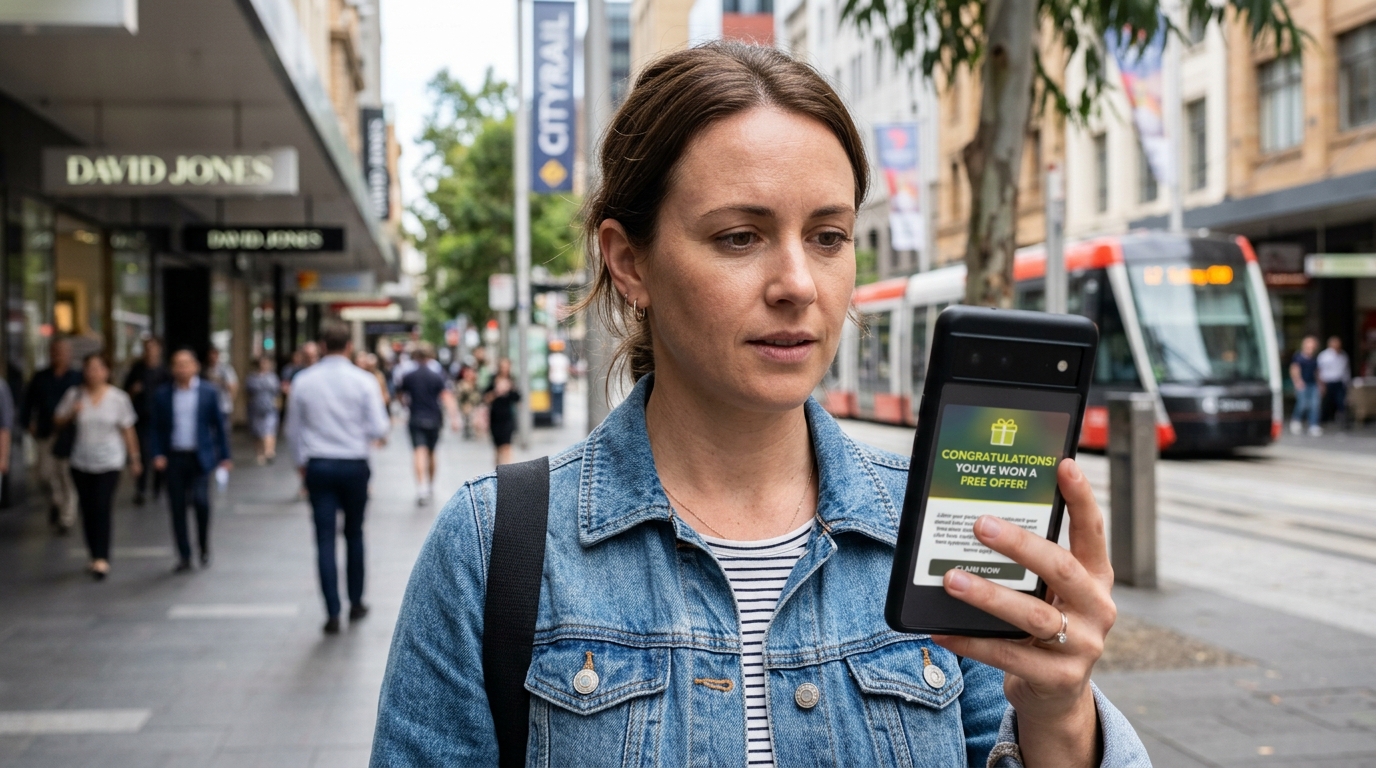
A free love spell caster sounds like the answer to a problem you can’t afford to make worse. You’re heartbroken, or anxious about a relationship, and money may already be tight. A page that says “free spell, no payment needed” feels like a lifeline. So you fill in the form, send your name and the name of the person you love, and wait.
What happens next is usually the point of this article. In most cases, “free” is the opening of a sales process. The first spell costs nothing, then a message arrives to say your situation is more serious than expected, that a block or a curse has been found, and that a stronger ritual is needed, for a fee. Sometimes the fee is small. Sometimes it grows with every message. Some of these operators are small sellers with a hopeful pitch, and some are scammers. It can be hard to tell the difference from the outside.
This guide explains how free spell offers typically work, what the warning signs look like, what is genuinely free and useful, how to protect your money and your personal details, and what to do if you’ve already paid. It is written for readers in Australia first and Europe second.
Key takeaways
- “Free” spell offers are usually a way to collect your details and lead you toward paid services. Few are free in the end.
- Never pay for shipping, “blocks,” “curse removal” or “stronger work” after a free offer. Those are common upsell and scam patterns.
- Real, no-cost help exists: free counselling lines, community support and simple rituals you can do yourself.
- If you’ve paid and feel misled, contact your bank quickly and report to Scamwatch (ACCC).

Why “free” is such a strong hook
Free works because it removes the first objection. If you’re unsure whether a ritual is worth trying, a no-cost offer lets you try without risk. It also lowers your guard. People hand over personal details more readily when they believe they’re getting something for nothing, and heartbreak lowers the guard further. Our guide to how love spells work explains what research says and where the limits are.
Sellers know this. A free offer is cheap to make and brings in a flow of people who are emotionally invested and likely to respond to a follow-up. The business isn’t giving anything away. It’s buying attention. That isn’t always dishonest, but it’s worth recognising before you give out your name, number, email, photograph or the details of a relationship.
How free spell offers usually work
The pattern is fairly consistent. You find a page offering a free love spell. You fill in a form with your name, the other person’s name, your email and perhaps a photo or a birth date. You may be asked to share the page or sign up to a mailing list. Within hours, a message arrives. It says the caster has looked at your situation, and finds a problem, such as a “strong block,” “negative energy,” a “rival” or a “curse” that the free spell can’t clear.
The message then offers a solution: a paid ritual, a set of “ingredients” to be shipped, or a “special offering.” There is often a deadline, such as “the window closes tonight,” and a warning that things will get worse if you wait. If you pay, a further problem often turns up. This is the part that matters: the free offer wasn’t a gift. It was step one of a funnel built to find people willing to pay.

Warning signs of a “free” offer that isn’t
These patterns come up again and again. A free offer followed by an urgent message about a “block,” “curse” or “danger.” A request to pay for shipping, “ingredients,” “blessed items” or “ritual fees.” A price that changes after contact. A claim that you’ve been chosen, or that this is the last day. A demand for secrecy, such as “don’t tell anyone or the spell will fail.” Messages sent at all hours. Requests for payment by gift card, cryptocurrency or bank transfer to a personal account, which are hard to reverse.
Also be wary of pressure that grows each time you pay. A legitimate service explains what it does and what it costs before you commit. It doesn’t invent a new problem each time you respond. If you feel pushed, rushed or scared, that’s information. Stop, and talk to someone you trust before spending any more.
The cost of handing over personal details
Even if you never pay, a “free” form can cost you. Your name, email and phone number may be added to mailing lists and shared or sold. A photograph can be stored and reused. Details about your relationship, such as who you want and why, are personal, and a stranger holding them has power over you. Some sellers use that information to tailor later messages, which can make the pressure feel very personal.
In Australia, the Privacy Act and the Australian Consumer Law set rules for how businesses handle personal information and how they can sell to you. Overseas operators may not follow them. Before you submit a form, ask what’s being collected and where it goes. If a site doesn’t say, give as little as you can, and never share financial details, government ID numbers or passwords.
What you can do for free that actually helps
The good news is that plenty of useful things cost nothing. Free counselling and support exist in Australia. Relationships Australia (1300 364 277) offers relationship services, and the Family Relationship Advice Line (1800 050 321) provides free information and referrals. Lifeline (13 11 14) is open at any hour for anyone in distress. MensLine Australia (1300 78 99 78) offers counselling for men, and Beyond Blue (1300 224 636) provides mental health support. In the UK, Samaritans (116 123) and Relate’s online resources are available.
Beyond services, there are free things you can do yourself. Write down what you want and why. Talk to a trusted friend. Take a walk. Keep a routine. Give a former partner space. Send one kind, honest message if the time is right. None of this is a spell, and all of it improves your chances more than a form submission does. The guide to the no contact rule explains how space can help after a breakup.
A free ritual you can do at home
If you’d like a ritual, you don’t need a caster. A simple one costs nothing. Choose a quiet evening. Sit with a notebook and, if you like, a candle on a heatproof surface. Write what you hope for in a relationship, what you’re grateful for, and what you can change in yourself. Read it back slowly. Then say aloud, “May I be calm, honest and kind, and may I accept what comes.” Put the candle out and write one action for the week.
This kind of ritual gives you steadiness and clarity, and Michael Norton and Francesca Gino’s 2014 research found that rituals can reduce grief and increase a sense of control. It doesn’t claim to control anyone else, so it asks nothing of another person. For more simple practices, the guide to love spells at home versus a spell caster has ideas.
Is a free love spell caster always a scam?
No, and it would be unfair to say so. Some practitioners offer a free introductory conversation, and some people share rituals out of generosity or tradition. A free first call that clearly explains what you’d be paying for, without pressure, is fine. A recipe on a blog that you can do at home is free and honest.
The difference is in how the offer behaves after you respond. Honest offers are clear about what’s free and what isn’t. They don’t invent problems. They accept a no. They don’t keep returning with new fees. If you can’t tell, give them a test: say you’re not interested in paying and see how they respond. A fair seller says thank you. A scammer escalates.
If you’ve already paid
If you’ve paid a “free” caster and feel misled, act quickly. Stop all further payments, however urgent the messages sound. Contact your bank or card provider as soon as possible, tell them what happened, and ask whether the payment can be disputed or reversed. The sooner you act, the better the chance. Keep records: screenshots of the offer, messages, receipts and account details.
Report it to Scamwatch, run by the ACCC, which publishes current scam information and takes reports. If you’ve shared personal details, consider changing passwords and watching for suspicious activity, and IDCARE (1800 595 160), Australia’s national identity and cyber support service, offers free help. Don’t be embarrassed. These schemes are built to work on people in distress, and many intelligent, careful people are caught. Telling someone is the first step to feeling better.
If the scam left you anxious or low, talk to someone. Lifeline (13 11 14) is available at any hour. In the UK, Action Fraud takes reports, and Samaritans (116 123) is there if you need to talk.
How to judge a paid practitioner fairly
Some people decide they do want a practitioner and are happy to pay. That’s their choice, and a fair practitioner should make it easy. Look for clear information about what the service includes and what it costs before you commit. Look for plain statements that no result can be guaranteed. Look for someone who explains the process, answers questions and doesn’t rush you. Be wary of anyone who won’t talk about price until you’ve shared your story.
Ask a few direct questions. What exactly will you do? How long will it take? What is the total cost, and are there extra costs? What happens if nothing changes? Do you offer any refund? You don’t have to accept the answers, and you can walk away. A practitioner worth your time will respect that. The guide to spell caster scams in Australia sets out the red flags in more detail.
Why smart people fall for it
If you’ve been caught by a free offer, it doesn’t mean you were careless. These schemes use well-known pressure points. Scarcity: “only three free places left today.” Urgency: “act before the moon changes.” Reciprocity: after receiving something free, people feel they owe something back. Sunk cost: after paying a little, it feels wasteful to stop. And fear: a message saying a curse is attached to you is hard to ignore when you already feel vulnerable.
Understanding those levers helps you spot them. When a message tries to make you feel rushed, scared or guilty, that’s the moment to stop. Real help rarely arrives with a countdown. Telling a friend what you’ve been offered also works as a reality check, because a second person often sees the pattern at once.
A quick check before you submit any form
Before you enter details on a “free spell” page, spend five minutes on it. Look for a clear business name, address and contact details. Look for a plain statement of what is free and what isn’t. Read any terms and the privacy policy, even briefly. Search the name of the site or caster with the word “scam” or “reviews” and read what comes up, keeping in mind that reviews can be faked. Check Scamwatch for recent warnings. Ask yourself what you’d be comfortable if the operator did with your details, and give only that much.
If the site has no identifiable operator, asks for a photo, a lot of personal information or payment details up front, or pushes you to act quickly, leave. You lose nothing by walking away. A genuine offer will still be there if you come back in a day.
How to say no to a pushy follow-up
If you’ve already submitted a form and the messages are getting pushy, you don’t owe an explanation. A short reply is enough: “Thank you, I’m not interested in any paid services. Please remove my details and don’t contact me again.” Then stop replying. If the messages continue, block the number or email address and mark them as spam.
Don’t be drawn into debating whether there’s a curse or a block. You can’t win that argument, because the other side is not trying to be persuaded. If you feel anxious about what they’ve said, talk to someone you trust, or to a counsellor. Lifeline (13 11 14) is a good place to start if the messages have shaken you. It also helps to know that, in Australia, unwanted marketing messages can be reported to the Australian Communications and Media Authority.
Free, low-cost and paid help compared
It helps to see the options side by side. Free options include a ritual you do at home, a friend’s support, community services and free counselling lines. Their strength is that nothing is at stake, and their limit is that you do the work yourself. Low-cost options include a few sessions with a counsellor on a sliding scale, a book or a class. They give structure and guidance for a modest price.
Paid spiritual services vary widely. Some are priced reasonably and explained clearly, and some are not. The question to ask isn’t “is it paid?” but “is it honest?” A paid practitioner who is upfront about what they do, doesn’t promise outcomes and lets you leave without pressure is a fair option for people who want one. A “free” offer that works as a funnel is not. Judge by behaviour, not by the word on the banner.
What a consultation with Baba Ali involves
If you want to speak with a practitioner, the first step on this site is to send your story through the secure form on the contact page. Baba Ali reads it and talks with you about the situation and what you hope for. He then tells you whether spiritual work fits and what it would include. The how it works page sets out the stages: consultation, preparation of ritual materials, the ritual itself, then updates through a private client portal.
It’s reasonable to ask what each stage covers and what it costs before you agree, and to be told plainly that no result can be promised. You’re free to say no. The page on a love spell caster in Australia explains how remote sessions work for clients across the country.

Mistakes people make with free offers
A few errors come up repeatedly. Handing over personal details without reading what happens to them. Paying “just a small fee” for shipping or ingredients and then paying more. Believing a message that says a curse or block has been found. Keeping the offer secret from friends, which removes the one check that might stop it. Responding to urgent deadlines. Taking out loans or using savings for rituals. And hoping a form will fix a problem that needs a conversation.
The fix is to slow down. Take a day. Ask someone you trust. Read the offer again, and check the person or site against Scamwatch. If it still looks fair, proceed carefully. If it doesn’t, walk away. You lose nothing by waiting, and you may save a lot.
Looking after yourself when money is tight
Financial stress and heartbreak often arrive together, and each makes the other harder. If money is a worry, free financial counselling is available in Australia through the National Debt Helpline (1800 007 007). If gambling is part of the picture, Gambling Help Online (1800 858 858) is free and confidential. Keep basic routines, such as sleep, meals and some movement, and reach out to friends and family.
If you’re struggling emotionally, don’t wait. Lifeline (13 11 14) is open at any hour, Beyond Blue (1300 224 636) provides mental health support, and in the UK, Samaritans (116 123) is available at any hour. If you have thoughts of harming yourself, call Lifeline or 000 right away. A steadier you is better placed to make good decisions about love and money.
What to do if a loved one is being drawn in
Sometimes the person caught by a free offer is a parent, a sibling or a friend. Be gentle. Shame makes people hide what’s happening, which is exactly what the scheme wants. Ask open questions: what were they offered, what have they paid, what were they told would happen. Listen without judging, and avoid saying “that’s obviously a scam,” even if it is. A calm conversation is more likely to lead them to check for themselves.
Offer practical help. Sit with them while they contact their bank, report to Scamwatch or call IDCARE (1800 595 160). Help them block the sender. And stay in touch afterwards, because people who have been targeted once are often targeted again, and loneliness is what these schemes feed on. A weekly call or a cup of tea does more to protect someone than any warning.
If you live in the UK or elsewhere in Europe
The same patterns appear across Europe. Free offers lead to paid upsells, and personal data is collected. Consumer protection varies by country. In the UK, Action Fraud takes reports of fraud, and your bank can often help if you contact it quickly. Relate offers counselling, and Samaritans (116 123) is there at any hour. Check that any site you use states clearly who runs it and where it is based, and be cautious about sharing details with operators you can’t identify.

Frequently asked questions
Is there such a thing as a free love spell caster?
Some practitioners offer a free introductory conversation, and rituals you do yourself cost nothing. Many “free” offers online are the first step of a paid sales process, so read carefully before sharing details.
Do free love spells work?
No ritual, free or paid, has been shown to change another person’s feelings. A ritual can help you feel calmer and more focused, which may improve how you act in a relationship.
Why does a free caster ask for money later?
Because the free offer is often a way to find people who will pay. A message about a “block” or “curse” is a common step in that process.
Is it safe to give my name and photo?
Be cautious. Personal details can be stored, shared or reused. Give as little as possible, and never share financial details, ID numbers or passwords.
What should I do if I’ve been scammed?
Stop paying, contact your bank straight away, keep records and report to Scamwatch. IDCARE (1800 595 160) offers free help if your identity may be at risk.
Where can I get free help with a relationship?
Relationships Australia (1300 364 277), the Family Relationship Advice Line (1800 050 321), Lifeline (13 11 14) and MensLine Australia (1300 78 99 78) all offer support at little or no cost.
Can I do a love ritual myself for free?
Yes. A simple ritual of reflection and intention costs nothing and doesn’t need a caster. Use candles safely and never leave a flame unattended.
Can a free caster help if I really can’t afford to pay?
If cost is the barrier, use the free options first: a ritual you do yourself, counselling lines, friends and community support. If you do approach a practitioner, say at the start what you can and can’t spend, and walk away if you’re pressured to go beyond it.
How can I tell if a review of a caster is real?
Treat glowing reviews with care. They are easy to fake or buy, and a page full of five-star comments with similar wording is a warning sign. Look for detail, a mix of experiences and independent sources, and give more weight to reports of problems than to praise. Even then, rely on how the practitioner treats you in a direct conversation, including how they answer questions about cost.
Your next step
If you’d like to talk through your situation in private, you can start a confidential consultation through the contact page. You can also browse the other services, or read how the site writes and checks its guides in the editorial standards. Whoever you speak to, ask about cost first and walk away from pressure. If you’re struggling, call Lifeline on 13 11 14 in Australia or Samaritans on 116 123 in the UK.