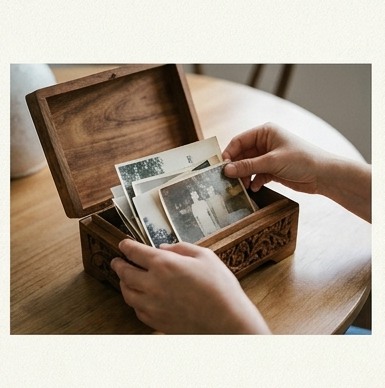
A spell to stop loving someone is one of the more honest searches in this field. It isn’t about winning anyone back. It’s about a person who is worn out by love that has nowhere to go. The relationship has ended, or the other person never returned your feelings, or you’ve left a marriage and still ache, and you would like the feeling to stop. You’re tired of checking their profile, of hearing their name in every song, of waking up with the same weight.
Here’s the truth, and then the comfort. You can’t switch love off by will or ritual, and no spell can reach into the heart and delete a person. But love does fade, and there are well-tested ways to help it fade more gently. Grief is a process with its own logic, and when you work with it instead of against it, it tends to ease. A ritual can be part of that, because it gives pain a shape and a place to go. This guide explains what helps, what doesn’t and how to look after yourself meanwhile.
It’s written for readers in Australia first and Europe second. It covers why love lingers, what a spell to stop loving someone can and can’t do, practical steps that support letting go, how to use ritual for release, how to handle contact, social media and shared belongings, when grief needs professional help, and how to avoid sellers who profit from heartbreak. Few explained why feelings linger or what actually helps them fade.
Key takeaways
- You can’t will love away, but grief eases with time, routine, reduced contact and support. A ritual can help mark the ending and steady you.
- Research suggests rituals can reduce grief and increase a sense of control, which suits letting go.
- Practical steps, such as limiting contact, protecting sleep and planning your days, do more than any single spell.
- If your pain feels unbearable or you have thoughts of harming yourself, call Lifeline on 13 11 14, or 000 in an emergency.
Why love lingers after a relationship ends
When a relationship ends, your feelings don’t follow at the same speed. The brain has built strong associations with a person: their voice, their routines, the places you went, the future you pictured. Those associations don’t vanish on the day of a breakup. Habits play a part too. You reach for your phone at the usual time, you think of telling them something funny. The missing isn’t weakness. It’s a sign of how much of your life they were woven into. If you are giving him space, read about a spell to make him miss you and why space works better than tricks.
Some love is also tangled with hope. If the ending was sudden, unclear or one-sided, your mind may keep reaching for an answer, replaying conversations, looking for signs. Uncertainty keeps feelings alive, because a door that might still open is harder to leave than one that’s closed. Part of letting go is tolerating an ending that doesn’t come with a neat explanation.
It helps to treat all this as normal. You’re not failing to get over someone. You’re grieving, and grief has a timeline that doesn’t respond to deadlines. Being gentle with yourself about it often shortens it.
What a spell to stop loving someone can and can’t do
A release ritual is a focused act of intention. It might involve candles, writing, cutting a cord, releasing flower petals to water or burying something symbolic. The aim is to mark the ending, acknowledge the love and ask for freedom from the ache.
What it can do is help. Michael Norton and Francesca Gino, in a 2014 paper in the Journal of Experimental Psychology, studied rituals after loss, including the loss of a relationship, and found that people who performed a ritual reported less grief and a greater sense of control than those who didn’t. That’s exactly the kind of support letting go needs, and it shows that structure and symbolism matter.
What a ritual can’t do is delete memory, remove feeling on command or act on the other person. Be wary of any spell that claims to make you “forget” someone within days, or to make them “suffer” or “regret”. Release work should be about you, your freedom and your recovery. The page on making him forget his ex explains the limits of spells aimed at other people’s memories, and the guide to how long a love spell takes to work explains why no honest practitioner promises a date.
The practical steps that help most
A few practices consistently help people move on. The first is reducing contact. Seeing someone’s messages, posts or updates keeps the feeling alive and reopens the wound. If you can, stop or limit contact for a while, and mute or unfollow on social media. You don’t need to be dramatic. Just reduce the reminders.
The second is structure. Grief disrupts sleep, appetite and concentration, so protect the basics: regular sleep, meals, movement and daylight. The third is company. Spend time with people who care about you, even when you’d rather hide. The fourth is activity that takes your full attention, such as exercise, a class, a project or volunteering. The fifth is time set aside to grieve: a short, daily period when you let yourself feel the sadness, instead of being ambushed by it.
None of these is dramatic. All of them have good support behind them, and together they do more than any spell can. A release ritual works best when it’s one piece of this routine, not a substitute for it.

Limiting rumination without pushing feelings away
Going over and over the same thoughts, what went wrong, what you should have said, whether they’re happy, is called rumination, and it tends to prolong pain. Trying to suppress thoughts often backfires, because the harder you push, the more they return. A better approach is to give the thoughts a limited, structured space.
Set a “worry window” of fifteen or twenty minutes a day. When a thought arises outside it, note it and tell yourself you’ll come back to it. In the window, write freely about what you’re feeling and thinking. When the time is up, stop, and do something active. Over a few weeks, many people find the thoughts lose their grip. Writing also helps because it moves the loop from your head onto paper, where you can look at it.
Contact, social media and shared belongings
Practical entanglements can keep feelings alive. If you share a home, children, a pet, a lease or belongings, you may have to keep in touch. Keep it brief, civil and practical. Use email or a shared app for logistics, so you don’t have to hear a voice or read emotional cues. Agree on a schedule for exchanges, and avoid lingering.
On social media, mute or unfollow, and consider taking a break from the platforms altogether. You don’t have to block, but you don’t have to watch either. Put things you don’t want to see, such as photos, gifts and cards, in a box and out of sight. You don’t need to destroy them, unless that feels right. Some people find it helps to give them away, and some keep a small box for later. The aim is to stop being ambushed.
How grief actually moves
People sometimes talk about neat “stages” of grief, but research suggests it’s messier. Grief tends to come in waves: good days and bad, sudden triggers, periods of numbness, then a surge of sadness. It doesn’t follow a straight line, and it doesn’t always decline steadily. Some days you’ll feel almost free and the next day you’ll be back in it.
That unevenness is normal. A sensible expectation is that, over months, the waves become less frequent and less intense, even though they may return on anniversaries or when something reminds you. Healing doesn’t mean forgetting. It means the memory stops controlling you. If you know that backsliding is part of the pattern, you’re less likely to decide you’re failing when a hard day comes.
A release ritual you can do at home
If you’d like a ritual, here’s a gentle one. Choose a quiet time when you won’t be interrupted. Light a candle and sit with paper and a pen. Write a letter to the person, which you won’t send. Say what you loved, what hurt, what you wish had been different and what you need to let go of. Be honest, and don’t edit. Take as long as you need.
When you’ve finished, read it aloud, slowly. Then say aloud an intention: “I honour what we had. I release what I can’t hold. I choose to be free and to heal.” You can tear the letter into pieces and dispose of it, or, if you’re safe to do so, burn it in a fireproof dish outdoors, never in a fire-ban period and never unattended. Some people release flower petals into moving water instead. Finish by snuffing the candle, washing your hands and doing something kind for yourself, like making tea or going for a walk.
The ritual doesn’t erase the feeling. It marks a moment of letting go, which many people find they can return to. You can repeat it when a wave returns. The guide to love spells at home versus a spell caster describes simple home rituals and when a practitioner might help.
Cord cutting and other release practices
Cord-cutting is a common release practice. In it, you imagine or tie a cord between yourself and the other person, and then cut it, symbolising release from emotional attachment. Some people do it with a real piece of thread and scissors, and some do it as a visualisation. It’s a symbolic act, and it’s meant to release you, not to harm anyone.
Other practices include writing and burying a message, releasing petals or a paper boat into water, clearing and rearranging a room, or donating items that remind you of the person. Choose whichever feels natural to you, and ignore the rest. The power is in the meaning you give it. Be wary of any version that aims to harm the other person, or claims that cutting a cord will “make them suffer” or “return”. That’s a different aim, and a less healthy one.

Letting go when you still see them
Some people can’t avoid the person they’re trying to forget. You might work in the same place, share a friendship group, live in a small town or see each other at school pick-ups. Every encounter can reopen the feeling, and avoiding it isn’t always possible.
A few habits help. Plan for contact in advance: decide how long you’ll stay, what you’ll say and how you’ll leave. Keep it polite and brief. Have a small routine afterwards, such as a short walk or a call to a friend, so the feeling has somewhere to go. If mutual friends keep passing on news, ask them kindly to stop. You’re allowed to set that limit. If a workplace situation is affecting your wellbeing, consider talking to a manager or your employer’s support program. Over time, repeated calm encounters tend to take the charge out of seeing them, because your mind learns that you can survive it.
What to do on the hard days
Anniversaries, birthdays, songs and places can bring a wave crashing back. It helps to have a short plan for those days. Tell someone you trust that the day is hard. Put something kind in the diary, such as a walk, a meal with a friend or a film you love. Keep the evening simple, and avoid checking their profile or sending a message you’ll regret.
If the feeling arrives without warning, try slow breathing: in for four, out for six, for a few minutes. Name what you’re feeling out loud or on paper: “I’m sad and I miss them.” Labelling a feeling often makes it a little less overwhelming. Remind yourself that waves pass. Then do one small, ordinary thing, like washing up or stepping outside. On the hardest days, looking after the basics is enough.
If it’s unrequited love
Letting go of someone who never returned your feelings has its own difficulty, because there’s no relationship to grieve, only a hope. It can be lonely, and it can feel embarrassing. It’s still real. Many people have been through it, and it does pass.
The steps are much the same: reduce contact, fill your time, lean on friends and give yourself space to grieve the imagined future. It helps to look honestly at the gap between the person you love and the person you’ve built in your mind, which can be wider than we expect. Try to spend time with other people, and keep open the possibility that someone else will be right. A counsellor can help if the feeling is persistent or distressing.
If you’re leaving a marriage or long relationship
Ending a marriage brings extra weight: shared history, property, sometimes children. The feeling you want to stop may coexist with relief, anger, guilt and fear. It’s not unusual to grieve a marriage you chose to leave.
In Australia, a divorce generally needs 12 months of separation, and there’s practical work to do alongside the emotional. Get independent legal advice on property and parenting, and take the emotional side at its own pace. Relationships Australia (1300 364 277) offers counselling and family services, and the Family Relationship Advice Line (1800 050 321) gives free information and referrals. If you have children, protect their routines and avoid using them as confidants. Kids Helpline (1800 55 1800) supports young people. This is general information, not legal advice. Divorce changes the picture, covered in our guide to getting an ex husband back after divorce.
When grief needs professional help
Most grief eases with time and support. Sometimes it doesn’t. Signs that you might need help include being unable to function at work or home for weeks, persistent sleeplessness, loss of appetite, withdrawing from everyone, using alcohol or other substances to cope, constant intrusive thoughts or feeling that life isn’t worth living.
See your GP, who can assess how you’re going and refer you to a counsellor or psychologist. Beyond Blue (1300 224 636) offers free support, and MensLine Australia (1300 78 99 78) supports men. Lifeline (13 11 14) is available at any hour. If you have thoughts of harming yourself, please call Lifeline or 000 right away. Asking for help is a sign of strength, and it gets easier once you’ve done it. A ritual can sit beside that support, but it should never replace it.

Looking after your body while your heart heals
Grief is physical. It can disrupt sleep, appetite, energy and immunity. Looking after your body helps your mind. Keep a regular sleep routine and avoid screens in the hour before bed. Eat regular meals, even small ones. Move every day, even a walk. Go easy on alcohol, which can deepen low mood. Get outside in daylight.
Small comforts count: a warm shower, a favourite meal, time with a pet, music that soothes. Treat yourself as you would a friend going through this. If you notice you’re not sleeping or eating for more than a couple of weeks, talk to your GP. Practical care isn’t indulgent. It gives your emotions somewhere to rest.
Rebuilding a life that isn’t organised around them
As the worst passes, you may notice how much of your life was built around another person: routines, friends, plans, even your sense of who you are. Rebuilding can feel daunting, and it can be a relief. Start small. Reconnect with friends you’ve neglected. Try something new, a class, a club, a walking group. Redecorate a room. Plan a trip.
Think about what you want for yourself now. What did you put aside during the relationship? What would you like to try? Write a few answers, and pick one thing to do in the next week. Every small action is a vote for a life that belongs to you. Over time, the love that once filled so much space shrinks to a memory, and there’s room for other things.

What a consultation with Baba Ali involves
If you’d like spiritual support for releasing a relationship, start by describing your situation through the secure form on the contact page. Baba Ali reads it and talks with you about what you’re going through and what you hope for, then advises whether spiritual work is suitable and what it would include. The how it works page sets out the stages: consultation, preparation of ritual materials, the ritual itself, and updates through a private client portal.
You’re entitled to ask what each stage involves and what it costs, and to be told plainly that no outcome can be promised, including about how fast your feelings will fade. Nobody should pressure you while you’re grieving. The page on a love spell caster in Australia describes how remote sessions work for clients around the country.
Mistakes that prolong heartache
Some habits keep the wound open. Checking their profile, messages or whereabouts gives brief relief and longer pain. Staying in casual contact “as friends” before you’re ready often reopens it. Using alcohol to numb the feeling tends to make mornings worse. Isolating yourself and avoiding all reminders, including friends, can deepen the loneliness.
Others include rushing into a new relationship to fill the gap, trying to force yourself to feel nothing, telling yourself you should be over it by now and doing a ritual aimed at making the other person suffer or return, which binds you to them. The alternative is steady and kind: limit reminders, keep routines, lean on people and let time do its part.
Scam warning signs
Heartbreak makes people vulnerable, and some sellers exploit it. Be wary of guarantees that your feelings will vanish, fixed timeframes such as “you’ll feel nothing in seven days”, large upfront payments, repeated requests for more money to “strengthen” a release, claims that a curse or soul tie is keeping you attached and threats of misfortune if you stop. A genuine practitioner explains what they do, what it costs and what they can’t promise.
In Australia, Scamwatch, run by the ACCC, publishes current scam information and takes reports, and your bank can sometimes help if you act quickly. The guide to spell caster scams in Australia lists the red flags. Before you pay anyone, write down what you’ve been promised, what it costs and what happens if nothing changes. A candle and a notebook cost a few dollars, which is a useful benchmark.
If you live in the UK or elsewhere in Europe
The experience of letting go is universal, though support differs by country. In the UK, Samaritans (116 123) is available at any hour, and Relate offers relationship counselling, including after a separation. Your GP can refer you to talking therapies, and many areas have free or low-cost bereavement and relationship support.
Across Europe, public health systems usually provide mental health services, and many countries have national helplines. Ask your doctor what’s available locally. Release customs also have a long history in European folk practice, from burning letters to releasing flowers into rivers, and you’re welcome to borrow what speaks to you. Remote consultations work across time zones, which suits clients in Europe as much as those in Australia.
Being patient with the pace
People often want a date by which it will stop hurting. There isn’t one, and being harsh with yourself about the pace makes it slower. Some people feel much better in a few months, and others take a year or more, especially after long relationships or marriages. Progress isn’t a straight line.
A helpful measure is the direction of travel. Are the waves a bit less frequent or less intense than they were? Are you doing more of what you care about? Are there moments, even short ones, when you forget? Those are signs you’re moving, even if a bad day follows. Keep going with the small practices, and let the rest come in its own time.

Frequently asked questions
Is there a spell to stop loving someone?
No spell can switch off love, but release rituals can help you mark an ending, feel more in control and support the natural process of letting go. They work best beside practical steps like reducing contact and keeping routines.
How long does it take to stop loving someone?
There’s no fixed time. Grief tends to ease over months, with ups and downs, and it can take longer after a long relationship. Be wary of anyone who promises a date.
Will a release ritual make me forget them?
No. A ritual doesn’t erase memory. It can help the memory stop controlling you. Healing means you can remember without the same pain.
Should I cut contact completely?
If you can, limit or pause contact, at least for a while, and mute social media. If you share children or property, keep contact brief and practical.
Is it wrong to do a spell to make them suffer or come back?
Work aimed at harming or controlling another person raises serious ethical problems and tends to keep you tied to them. A release ritual for your own freedom is different and asks nothing of them.
When should I see a professional?
If grief stops you functioning for weeks, if you can’t sleep or eat, if you’re using substances to cope or if you have thoughts of harming yourself, see your GP or call Lifeline on 13 11 14, or 000 in an emergency.
Can I still love someone and choose to let go?
Yes. Love can remain for a while after a relationship ends, and you can still choose to move on. That choice doesn’t mean the love was false. It means you’re looking after yourself.
Your next step
If you’d like to talk through how you’re feeling in private, you can start a confidential consultation through the contact page. You can also browse the other services, or read how the site writes and checks its guides in the editorial standards. A spell to stop loving someone is best understood as support for your own healing, not a switch. If you’re struggling, call Lifeline on 13 11 14 in Australia or Samaritans on 116 123 in the UK.