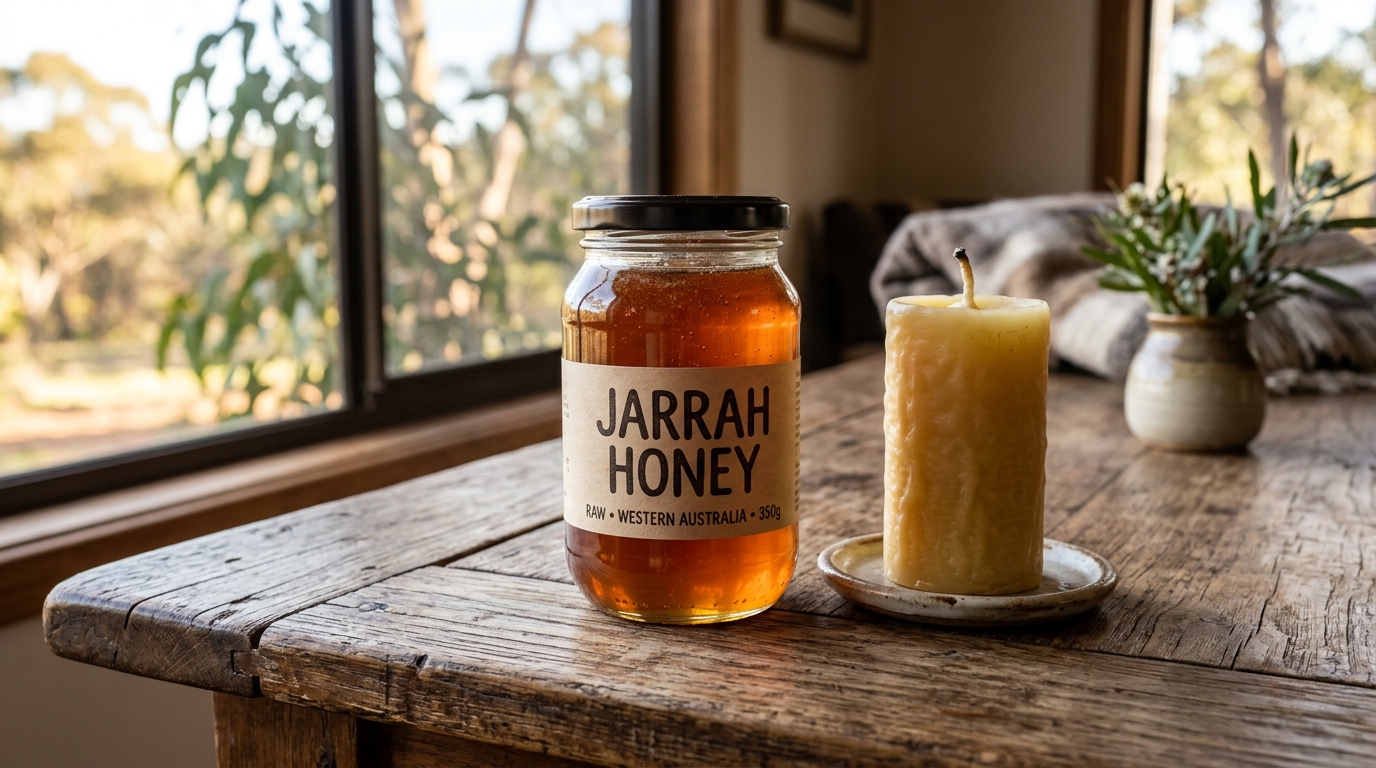
A honey jar love spell is one of the best-known pieces of folk magic, and one of the most misunderstood. The idea is simple. You write a petition on paper, put it in a jar, cover it with honey or sugar, add a few meaningful items, seal it and light a candle on top. The honey stands for sweetness, and the hope is that the situation around you, and the people in it, will soften.
People search for it when they want a partner to feel warmer, an ex to answer a message, or a tense relationship to ease. Many pages online make big promises. A honey jar will make him “obsessed” or force her to come back. Those claims aren’t true, and the folk tradition itself is more modest than the marketing. A honey jar is a focused act of intention. It can give you calm, clarity and a ritual to hold on to. It can’t override another person’s will.
This guide explains where the practice comes from, how people usually prepare one, what the ingredients are said to mean, how to handle fire and food safety, the ethics of including another person’s name or belongings, what a honey jar can and can’t do, and how to tell a fair practitioner from a seller of false promises. It is written for readers in Australia first and Europe second.
Key takeaways
- A honey jar is a folk ritual of intention rooted in hoodoo tradition. It does not control other people, and no honest practitioner promises it will.
- The most useful version is one aimed at your own calm, patience and clear communication.
- Using someone’s name, hair or photograph without their knowledge raises serious consent questions. Consider a jar that names only your intention.
- Candle and food safety matter: never leave a flame unattended, and never eat the honey from a ritual jar.
Where the honey jar comes from
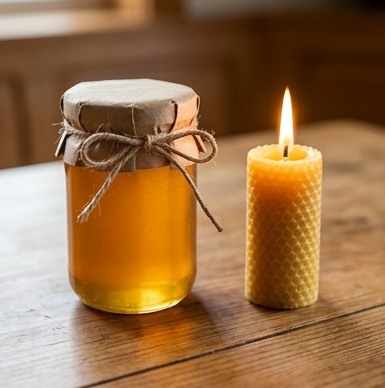
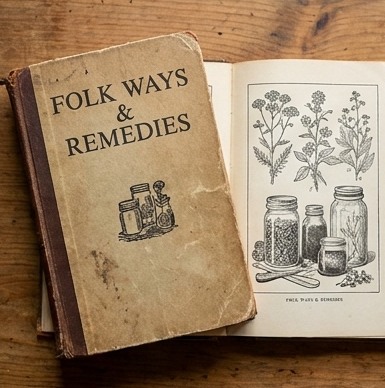
The honey jar belongs to hoodoo, a body of African American folk magic that grew out of African, European and Native American traditions in the southern Europe and the UK. In that tradition, “sweetening” is the practice of using sweet things such as honey, sugar or syrup to soften a person’s attitude toward you, a situation or a place. The method spread widely through books, shops and, more recently, social media.
It has also been picked up and changed by many people outside its original setting, which is one reason online instructions vary so much. Some versions are close to the old practice. Others are invented for blog posts. If you are interested in the tradition itself, the page on hoodoo love spells gives more context, and it’s worth being respectful: this is a living cultural practice, not a novelty.
What a honey jar love spell is meant to do
In the folk tradition, a honey jar is meant to “sweeten” someone’s feelings toward you, or ease a situation, such as a conflict, a job interview or a landlord. In love work, people use it hoping for more warmth, more contact or more patience from a partner or interest.
What can be said honestly is that the practice gives you a structured way to focus. Michael Norton and Francesca Gino, in a 2014 paper in the Journal of Experimental Psychology, found that people who carried out a ritual after a loss felt less grief and more control than those who did not. The jar can work in that way, as a ritual that settles you. A more settled person tends to behave better in a relationship: kinder, less anxious and easier to talk to. That change may be what people notice. It is not the same as reaching into another person’s mind.
The usual ingredients and what they stand for
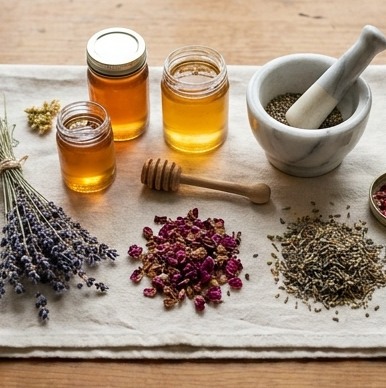
A traditional honey jar is simple. Most recipes use a clean glass jar with a lid, honey or sugar, a piece of paper for the petition, and a candle, often pink for affection or white for peace. Some add herbs or spices, each with a meaning in folk practice. Rose petals stand for love, cinnamon for warmth, lavender for calm, and sugar for sweetness. These meanings are traditional symbols, not chemistry.
You don’t need to buy anything unusual. A jam jar from your pantry, honey from the supermarket and a plain candle are enough, and many practitioners say the intention matters more than the materials. Be wary of sellers who say you must buy a particular kit, oil or “blessed” ingredient for the jar to work. That’s a sales line, not a rule of the tradition.
How people usually prepare one
The method varies, but the common steps are these. Choose a quiet time and clean your space. Decide what you want in plain words. Write it on a small piece of paper. Many people write the intention, such as “peace and open communication between us,” rather than a demand. Fold the paper toward you, place it in the jar, add your chosen herbs, and pour in honey until the jar is full. Close the lid and say your intention aloud.
Then place a candle on top and let it burn briefly, under watch. Some people repeat this over several evenings. Others simply seal the jar and keep it somewhere safe and quiet. There is no single correct way. What matters is that the steps are clear to you and that you stay calm and kind while doing them.
The version many practitioners recommend, and the one that avoids ethical trouble, is a jar for yourself or for a situation. For example: “May I speak with patience and honesty. May the next conversation be gentle.” It asks nothing of another person’s will.
The consent question
This is where honey jars get complicated. Many instructions tell you to write the other person’s name, add their hair or a photograph, or use something they’ve touched. The idea is that a personal link points the jar at them. Whether or not you believe that, the intention is to change how a specific person feels, without their knowledge.
Ask yourself a simple question: would you be comfortable if they knew? If the answer is no, treat that as important. A relationship that comes about through hidden pressure isn’t the relationship most people want, and it can leave you doubting every kind word. Many practitioners therefore advise leaving the other person’s name and belongings out, and focusing on the sweetness you want to bring into your own conduct and the situation. The page on love spells with hair and photos goes through this more closely.
What a honey jar can’t do
It can’t make someone love you. It can’t force an ex to return, make a married person leave their spouse or make someone feel what they don’t. It can’t repair a relationship in which trust was broken or someone was hurt, and it can’t stand in for an honest conversation. If a jar is the only thing you do, and you don’t change how you act, nothing about the relationship has really changed.
It also can’t replace professional help. If you are grieving, anxious or struggling after a breakup, a ritual is a support, not a treatment. Relationships Australia (1300 364 277) offers counselling, and Lifeline (13 11 14) is available at any hour. In the UK, Relate and Samaritans (116 123) serve the same purpose.
Fire and food safety
Practical safety gets ignored in many tutorials. If you light a candle, place it on a heatproof surface, away from curtains, paper and pets, and never leave it unattended. Don’t put a flame on a jar with a plastic lid, or on top of dried herbs that could catch. Use a snuffer, not your breath, and keep a glass of water nearby. In Australia, candle fires are a common cause of house fires, so treat this seriously.
Don’t eat the honey from a ritual jar. It has sat with paper, herbs and sometimes personal items, and it is no longer food. Keep the jar out of reach of children and pets. If you add anything unusual, such as essential oils or spices, check that it’s safe to have in your home. Most of this is common sense, but it’s easy to forget when the mood is emotional.
How long to keep it
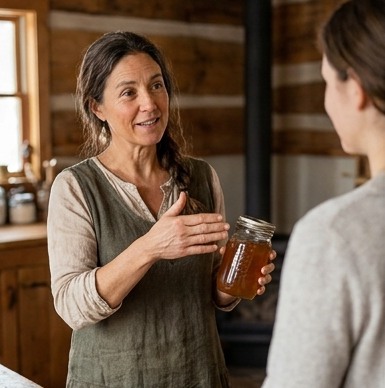
Many people keep a honey jar for one moon cycle, about 28 days, and light a candle on it once a week. Others keep it until they feel the situation has settled.
For other gentle ways to soften a strained relationship, read our guide to sweetening spells.
What to do with the jar afterwards
Traditions differ. Some people keep the jar on a shelf or in a quiet cupboard and revisit it. Some burn a candle on it periodically. Some bury it, or dispose of it respectfully when the situation resolves. If the relationship ends or your intention changes, many practitioners suggest closing the jar with a short statement of thanks and disposing of it, rather than leaving it to sit.
It helps to decide in advance. If you don’t want to carry it around forever, set an end point, such as a month. That keeps the ritual from becoming a way of staying stuck. When the time comes, thank it, wash the jar if you’re reusing it, and move on.
What a honey jar means for a long wait
People do honey jars when they’re anxious and hoping for change. That makes timing a trap. There is no reliable schedule, and any claim that it will work “in seven days” or “by the next full moon” is a guess dressed as a promise. The page on how long a love spell takes to work explains why no honest practitioner gives a date.
A better approach is to treat the jar as the start of a period in which you act well: you reach out kindly, you listen, you look after yourself, and you give things time. If the relationship warms, it will be because of how both people behaved, and the jar will have helped you stay steady while that happened.
Using a honey jar after a breakup
This is the most common reason people search for the spell. Be honest with yourself about the goal. If an ex has asked for no contact, a jar designed to draw them back overrides that request. A better use is a jar for your own healing: sweetness toward yourself, patience for the process and peace whatever happens.
If you want to try for a reconciliation, the steps that matter are human ones. Give space, own what you did, and make a respectful first contact. The guide to whether reconciliation spells work and the no contact rule page cover how that goes. Persistent unwanted contact can amount to harassment or stalking in Australia and the UK, so respect any boundary she or he sets.
Using a honey jar in an existing relationship
In a relationship that is going through a rough patch, a honey jar can be a shared ritual rather than a secret one. Some couples make one together, writing what they each want to bring: patience, kindness, time. It becomes a symbol they can point to when things get tense, a reminder of what they’re trying to do.
That version avoids the consent problem entirely, and it tends to work better. The jar is not doing the work. The conversation you have while making it, and the habits you agree on afterwards, are. If the rough patch is serious, couples counselling is a stronger step. The Family Relationship Advice Line (1800 050 321) offers free information and referrals.
A worked example: a jar for patience before a hard conversation
Here is how a grounded, consent-friendly honey jar might look in practice. Say you and your partner have been snapping at each other for weeks, and you want to raise something difficult. You sit down on a quiet evening and write on a small slip of paper: “I will speak calmly, listen fully and stay kind, even if it is hard.” You put the slip in a clean jar, add a spoonful of dried lavender and a pinch of cinnamon, then fill the jar with honey. You close it, hold it for a minute and say the sentence aloud.
You light a small candle beside the jar, not on it, and stay in the room until you snuff it out. The next day you have the conversation. Notice what did the work here. You prepared yourself, you named how you wanted to behave, and you went in with a plan. If the talk goes better than usual, the jar has done its job as a ritual of preparation. If it goes badly, you still have the jar as a reminder of what you were aiming for, and you can try again.
Questions to ask yourself before you make one
A few honest questions will save you regret. What exactly am I hoping will change, and is it my behaviour, a situation or another person’s feelings? If it’s another person’s feelings, would they be comfortable knowing what I’m doing? Am I using the jar to avoid something I should say or do? Can I accept the outcome if nothing changes? Do I have support from friends, family or a counsellor, so the ritual isn’t carrying all my hope?
Write your answers down. If they point toward control, hurry or avoidance, pause. If they point toward calm, patience and clarity, you’re in the territory where a honey jar can be a useful, harmless ritual. The same questions apply to any ritual, including the candle spells people use to try to get an ex back.
When a honey jar is the wrong tool
Some situations need something else. If a partner is abusive, controlling or frightening, a jar isn’t the answer, and the priority is safety. 1800RESPECT (1800 737 732) is available in Australia at any hour. If you are grieving a death or a long relationship, a ritual can help, but grief counselling or your GP may help more. If you’re being pressured to pay for ever-more-expensive “jar work,” stop and talk to someone you trust.
It is also the wrong tool for someone who has said no. If a person has made clear they don’t want contact, preparing a jar to change their mind overrides that choice. A better use of the same energy is a jar for your own recovery: sweetness toward yourself, patience with the process, and room to let go.
How a honey jar compares with other love rituals
Honey jars sit alongside a family of simple folk rituals: candle work, written petitions, herb bundles and prayers. What sets the jar apart is that it’s a container. You build it once, and it sits there as a visible reminder of your intention. A candle spell burns down and ends. A petition on paper can be kept or burned. A jar stays on the shelf, which some people find comforting and others find hard to let go of.
None of these is more powerful than the others. Their value lies in the attention you give while preparing them. If you like objects you can see and touch, a jar suits you. If you prefer something that ends cleanly, a candle or a written letter you burn may fit better. Choose the one that helps you feel steady, and don’t let anyone tell you that a more expensive version works better.
How to tell a calm practitioner from a pushy one
If you do seek outside help with a jar, watch how the person behaves. A calm practitioner listens first, asks about your situation, explains what the ritual involves and says plainly that results can’t be promised. They give you time to decide. They don’t use fear, such as warnings about curses or bad luck, to hurry you.
A pushy seller does the opposite. They promise a fast result, quote a big price before they’ve heard your story, insist on a particular kit, and return with new problems that need more payment. If you notice any of that, step back. You can always say no, take a day and ask someone you trust what they think. A practice worth your money will still be there tomorrow.
A short checklist for making a safe, respectful jar
If you’ve decided to make one yourself, keep it simple. Use a clean glass jar with a metal or cork lid. Write your intention in kind, positive words. Leave out other people’s names and belongings unless they know and agree. Use ordinary honey or sugar. Place any candle beside the jar, not on a flammable lid, and stay in the room. Keep the jar somewhere safe and out of reach of children and pets. Decide in advance when you’ll close the ritual, and then do it. And alongside the jar, do one real-world thing: send a kind message, book a counselling session or take a walk with a friend.
What a consultation with Baba Ali involves
If you’d like help from a practitioner instead of doing it alone, you begin by sending your situation through the secure form on the contact page. Baba Ali reads it and talks with you about what is going on and what you hope for. He then advises whether spiritual work fits, and what it would involve. The how it works page sets out the stages: consultation, preparation of ritual materials, the ritual itself, then updates through a private client portal.
It’s fair to ask what each stage includes and costs, and to be told plainly that no result can be promised. You should never be pressured to include someone’s belongings or to buy extras. The page on a love spell caster in Australia explains how remote sessions work.

Mistakes people make with honey jars
A few errors come up again and again. People expect a quick, dramatic result and then feel worse when none arrives. They use the jar to avoid a hard conversation. They include another person’s belongings without thinking about consent. They leave candles burning unattended. They buy expensive kits from sellers who promise results. And they keep making jars, one after another, instead of dealing with what’s underneath.
The fix is dull but works. Keep the jar simple, keep your goal kind, keep your actions honest and look after yourself. If the jar helps you feel more settled, it’s done its job.
Scam warning signs
People who feel desperate are easy targets. Be wary of guarantees, fixed timeframes, large upfront fees, repeated requests for more money to “strengthen” a jar, claims that a curse or another person is blocking you, and threats of bad luck if you stop. A genuine practitioner explains what they do and what they can’t promise.
In Australia, Scamwatch, run by the ACCC, publishes current scam information and takes reports, and your bank may help if you contact it quickly. The guide to spell caster scams in Australia lists the warning signs. A honey jar costs a few dollars in materials, and anyone charging hundreds for one deserves questions. For related low-cost rituals, the page on free love spell casters explains why “free” offers often lead to paid upsells.
If you live in the UK or elsewhere in Europe
The practice and the advice are the same. Honey jars are made across Europe, often with local herbs and local folk customs, and the same cautions apply: respect consent, watch the candle and be careful with sellers. Persistent unwanted contact is an offence in the UK and in most European countries. Relate offers counselling in the UK, and Samaritans (116 123) is there at any hour. Remote consultations work across time zones.
Frequently asked questions
Does a honey jar love spell work?
It can help you feel calmer and more focused, which may change how you behave. It can’t control another person’s feelings, and no one can promise a result.
How long does a honey jar take to work?
There’s no reliable timeline. Be wary of anyone who gives a fixed number of days.
Do I need the other person’s name or belongings?
No. Many practitioners advise against it, because it raises consent issues. A jar naming only your own intention is a common and simpler alternative.
Is it safe to burn a candle on a honey jar?
Only with care. Use a heatproof surface, keep it away from anything flammable, never leave it unattended and use a snuffer. Don’t burn a candle on a jar with a plastic lid.
Can I eat the honey afterwards?
No. Treat the contents as a ritual object, not food, and keep it away from children and pets.
What do I do with the jar when I’m done?
Traditions vary. Many people thank it, then dispose of it or bury it respectfully. Setting an end point in advance helps you move on.
Is a honey jar the same as hoodoo?
It comes from hoodoo folk practice, though many versions online are adapted. If you want to learn the tradition properly, approach it respectfully and look for knowledgeable sources.
Your next step
If you want to talk through your situation in private, you can start a confidential consultation through the contact page. You can also browse the other services, or read how the site writes and checks its guides in the editorial standards. A honey jar love spell is best treated as a ritual for your own steadiness, not a promise. If you’re struggling, call Lifeline on 13 11 14 in Australia or Samaritans on 116 123 in the UK.