
Do love spells work on avoidants? People ask this after months, sometimes years, of a relationship that runs hot and cold. He pulls you close, then goes quiet. She says she loves you, then needs “space” for weeks. Every time you reach out, the other person retreats, and every time you step back, they return. You’ve read about avoidant attachment, the label fits, and now you want to know whether a ritual can melt the wall.
The honest answer is no. A spell can’t change a person’s attachment style, and nobody can promise it will. Avoidant patterns are built over years, usually from early experiences of how closeness felt, and they show up in behaviour that the person often doesn’t fully see. What does change these patterns is a combination of safety, consistency, honest communication and, for the person themselves, a real wish to grow, often with professional help. A ritual might steady you while you work on what you can control.
This guide is written for readers in Australia first and Europe second. It explains what avoidant attachment is and isn’t, why the push-pull pattern happens, what a spell can and can’t do, how to respond in ways that actually help, when to step back, and where to find support.
Key takeaways
- No spell can change an avoidant person’s attachment style. Change comes from safety, consistency and the person’s own willingness, often with therapy.
- Avoidant behaviour is a pattern, not proof that someone doesn’t care. It is also not an excuse for being treated badly.
- You can’t pull an avoidant person closer. Steady, calm, respectful contact and clear boundaries work better than pursuit.
- Relationships Australia (1300 364 277) and Lifeline (13 11 14) offer support, and 1800RESPECT (1800 737 732) is there if you feel unsafe.

What avoidant attachment actually is
Attachment theory began with John Bowlby’s work on how children bond with caregivers, and Mary Ainsworth’s observations of how infants respond to separation. In 1987, Cindy Hazan and Phillip Shaver applied the ideas to adult romantic relationships, describing people as broadly secure, anxious or avoidant in how they handle closeness. Popular books such as Attached by Amir Levine and Rachel Heller brought the language to a wide audience.
In this framework, a person with an avoidant style tends to value independence, feel uneasy when a partner wants more closeness, and manage stress by pulling away rather than reaching out. Researchers sometimes describe “deactivating strategies,” such as focusing on a partner’s flaws, keeping things casual, or withdrawing when intimacy deepens. It’s a spectrum, not a diagnosis, and a person’s style can shift with experience, with a secure partner and with therapy. “Avoidant” is a description of a pattern, and it’s worth using carefully.
Why it feels like hot and cold
The pattern that frustrates partners most is push-pull. When things are distant, the avoidant person may feel comfortable and even affectionate. When the partner reaches for more closeness, the avoidant person feels crowded and withdraws. When the partner finally pulls back or leaves, the avoidant person may feel the loss and return. Then closeness rises, and the cycle starts again.
From the inside, this isn’t usually a strategy. It’s a reaction. The avoidant person may not know why they feel the urge to withdraw, and may explain it as being busy, tired, unsure or “not ready.” From the outside, it feels like being tested or toyed with. Understanding the cycle doesn’t make it painless, but it can help you stop reading each retreat as proof that you’re unlovable.
The anxious-avoidant trap
Many people who search for this are on the other side of the pattern, with an anxious style: they feel uneasy when a partner is distant and respond by seeking reassurance, texting more or pushing for answers. That response can trigger the avoidant partner’s urge to withdraw, which makes the anxious partner more anxious, and so on. Levine and Heller call this the anxious-avoidant trap.
It helps to see that both people are doing what feels safe to them, and that the combination is a bad fit. It also helps to see where your own part lies. You can’t change the other person’s side of the dance. You can change yours: how you respond to distance, how you soothe yourself and how clearly you state what you need.

Do love spells work on avoidants? What a spell can and can’t do
A spell is a focused ritual of intention, usually using candles, written words or herbs. Michael Norton and Francesca Gino’s 2014 research found that rituals after a loss reduce grief and increase a sense of control, and living with an unpredictable partner involves a kind of ongoing loss. A calm ritual can help you feel steadier.
What a ritual can’t do is rewire how another person handles closeness. That’s learned over years, and it changes through experience, safety and, often, therapy. Any service that says it will “break the avoidant’s walls” or “make him commit” is promising control over someone else’s inner life. Treat that as a red flag. The guide on whether reconciliation spells work covers the limits in more detail.
Signs it’s an avoidant pattern, and signs it’s something else
Common signs of an avoidant style include discomfort with emotional talk, a tendency to withdraw when things get serious, a strong need for independence, difficulty asking for support, mixed signals about commitment and a habit of idealising an ex or a “perfect” partner who doesn’t exist. Not everyone with some of these traits is avoidant, and many people show them temporarily when stressed.
It’s important to separate a style from mistreatment. An avoidant person may be kind, honest and trying, and simply struggle with closeness. Someone who lies, belittles you, controls your choices, isolates you or frightens you is doing something else, and attachment language shouldn’t be used to excuse it. If you feel unsafe, 1800RESPECT (1800 737 732) is available at any hour in Australia, and in an emergency you should call 000.
What helps when you’re with an avoidant partner
A few responses tend to help. Stay calm and consistent. Avoidant people often relax when they feel no pressure, so steady, warm, undemanding contact works better than chasing. Say what you need directly, in simple words: “I’d like to see you on weekends, and I need to know when you’re running late.” Make requests, not accusations. Give them room to respond. And respect what they say, including a no.
It also helps to avoid the behaviours that tend to fuel the cycle: repeated “where is this going?” conversations at tense moments, flooding them with messages, testing them with silence or jealousy, and treating every retreat as a crisis. When you feel the urge to chase, pause and soothe yourself first, by calling a friend, going for a walk or writing it down. You’ll respond better.

Setting boundaries that you keep
A boundary isn’t a threat or a tactic. It’s a statement of what you will do. For example: “I want a relationship where we see each other regularly and communicate when plans change. If that isn’t possible for you, I’ll need to step back.” Say it once, kindly, and then act on it. If the pattern continues, follow through.
That can be difficult when you love someone, and it’s often the most important thing. Without boundaries, you can end up waiting indefinitely for crumbs of closeness. With them, you give the relationship a fair chance and protect yourself. If the other person responds by working with you, that’s encouraging. If they respond with defensiveness, blame or further withdrawal, that tells you something too.
If you’re trying to get an avoidant ex back
Avoidant people often reconnect after a break, as distance relieves the pressure that made them withdraw. That doesn’t mean it’s wise to return to the same pattern. Before you try, ask what has changed. Do you have a different plan for handling distance? Has the other person shown any willingness to work on their side? Are you ready to hold the boundaries you didn’t hold before?
If you decide to reach out, keep it short, warm and low-pressure. Give space first, since the avoidant instinct is to retreat from pursuit. The guide to the no contact rule explains how long to wait and what to do in the meantime. Don’t use “no contact” as a tactic to force a reaction. That’s manipulation, and it tends to backfire. Persistent unwanted contact can also amount to harassment, so respect any boundary the other person sets.
Can an avoidant person change?
Yes, though not because someone else wants them to. Research on attachment suggests that styles aren’t fixed. People can move toward greater security through relationships with secure partners, through therapy and through their own reflection. This is sometimes called “earned security.” It takes time, honesty and a willingness to feel uncomfortable feelings that were once avoided.
What you can do is create conditions in which change is possible: consistency, kindness, clear boundaries and no pressure. What you can’t do is make it happen. If your partner isn’t interested in looking at their own patterns, or says they’re fine as they are, you have a choice about whether the relationship works for you as it is. Relationships Australia (1300 364 277) offers counselling, including for couples and individuals, and the Family Relationship Advice Line (1800 050 321) provides free information and referrals.

Therapy and what it can offer
Attachment-informed therapy helps people understand how their early experiences shape their relationships, and practise new ways of connecting. Emotionally focused therapy, developed by Sue Johnson, is one approach used with couples, and many individual therapists work with attachment patterns. A GP can provide a referral, and a mental health care plan may help with the cost of sessions in Australia. In the UK, your GP or Relate can point you to services.
If you’re the anxious partner, therapy can help you soothe yourself, stop interpreting every silence as rejection and choose partners and boundaries more clearly. If you’re the avoidant partner, it can help you notice the urge to withdraw, tolerate closeness and say what you feel. Both are worth doing, whether or not the relationship continues.
A realistic example of the cycle, and a different response
Picture this. Sam and Priya have been seeing each other for six months. Priya, who leans avoidant, is warm and engaged for a few weeks, then goes quiet for several days after Sam suggests a weekend away. Sam, who leans anxious, sends three messages the first evening, a longer one the next day, and then a pointed “fine, whatever” on day three. Priya reads that as pressure and withdraws further. After a week, they meet, both relieved, and the cycle resets.
Now picture a different response. When Priya goes quiet, Sam sends one short message: “Thinking of you. No rush to reply.” Then Sam goes to see friends, keeps to the gym routine and doesn’t check the phone every ten minutes. When Priya resurfaces, Sam says calmly, “I noticed you went quiet after I mentioned the weekend. I’d like us to find a way to talk about plans that feels okay for both of us.” That keeps the door open, names the pattern without blame and asks for a joint solution. It doesn’t guarantee a good outcome, but it gives the best chance, and it protects Sam’s sense of self whichever way it goes.
How to talk about the pattern without blame
Choose a calm moment, not the middle of a fight. Start with something you appreciate, then describe what you’ve noticed using “I” statements. “I feel anxious when I don’t hear from you for days, and I think I start pushing, which probably makes it worse.” Ask a curious question: “What’s going on for you when things get closer?” Then listen without interrupting or defending.
Avoid labels as accusations. Telling someone “you’re avoidant” can feel like an attack, and many people hear it as a verdict. It’s more useful to describe behaviour and its effect, and to talk about what each of you needs. If your partner is open to it, suggest reading about attachment together or seeing a counsellor. If they aren’t, don’t push. You can still look after your own side of the pattern.
What a good week looks like in a healthy version
It helps to picture what you’re aiming for. In a steadier version of a relationship with an avoidant partner, there’s a rhythm: regular contact without constant checking, time together and time apart, honest talk about needs without drama, and a shared understanding that either person can ask for space and the other will respect it, with a clear plan to reconnect. When one person withdraws, the other doesn’t read it as abandonment. When one person reaches out, the other doesn’t read it as a demand.
It won’t be perfect, and it’s normal for old patterns to resurface under stress. What matters is the direction of travel and whether both people can name what’s happening and recover from it. If that’s not happening, and you’re doing most of the adjusting, it’s worth asking whether the relationship can meet your needs.
When to step back
Sometimes the best decision is to leave, or to pause. Consider stepping back if the relationship leaves you anxious most of the time, if your partner isn’t willing to discuss the pattern, if you’re giving much more than you receive, if you’ve lost sight of your own life, or if you feel unsafe. None of this means your partner is a bad person. It means the relationship isn’t meeting your needs.
Stepping back is hard when you love someone, and it can bring grief. Lean on friends and family, keep your routine and consider counselling. The page on stopping loving someone offers practical steps for letting go, and it’s fine to take it slowly.
A ritual for your own steadiness
If you’d like a ritual, make it for you. Choose a quiet evening, and sit with a notebook. Write what you need in a relationship, what you can offer and where your limits are. Read it back and say aloud, “May I be calm, honest and kind to myself, and may I choose what is good for me.”
If you like, light a candle on a heatproof surface and stay with it until you put it out. Then write one action for the week, such as telling a friend what’s going on, booking a counselling session or saying one clear thing to your partner. The ritual asks nothing of another person, so it raises no ethical issues, and it gives your feelings a place to go. The guide to love spells at home versus a spell caster explains simple home practices.
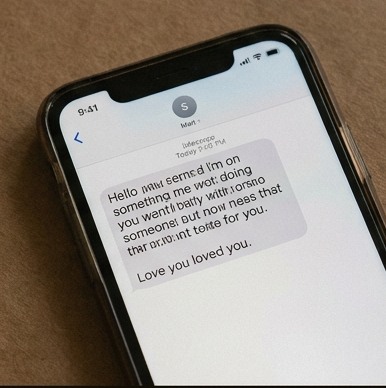
What a consultation with Baba Ali involves
If you want to speak with a practitioner, you start by sending your situation through the secure form on the contact page. Baba Ali reads it and talks with you about the relationship and what you hope for. He then advises whether spiritual work fits and what it would include. The how it works page sets out the stages: consultation, preparation of ritual materials, the ritual itself, then updates through a private client portal.
It’s reasonable to ask what each stage covers and costs, and to be told plainly that no outcome can be promised. You should never be asked to pursue someone who has asked for distance. The page on a love spell caster in Australia explains how remote sessions work.
Mistakes people make with avoidant partners
Several habits make things harder. Chasing when they withdraw. Pushing for big talks in the middle of a conflict. Testing them with silence or jealousy. Over-explaining your feelings in long messages. Excusing mistreatment because “he’s avoidant.” Waiting years for a change that hasn’t been asked for. Paying a spell caster to “fix” the pattern, and then again when it returns. And making the relationship your whole life.
The alternative is steady and a bit boring: respond calmly, say what you need, keep your boundaries, build a full life and give the relationship honest time. That’s what gives an avoidant person the safest conditions to move closer, and it’s also what protects you if they don’t.
Looking after yourself
A push-pull relationship is tiring. Keep the basics going: sleep, regular meals, movement and daylight. Stay close to friends and family, and don’t let the relationship take over your life. If you’re anxious, practise ways to settle yourself: slow breathing, a walk, writing it down. If you’re struggling, talk to someone. Lifeline (13 11 14) is open at any hour, Beyond Blue (1300 224 636) offers mental health support, and MensLine Australia (1300 78 99 78) supports men. In the UK, Samaritans (116 123) is there at any hour. If you have thoughts of harming yourself, call Lifeline or 000 right away.
Scam warning signs
People caught in a hot-and-cold relationship are easy targets. Be wary of guarantees such as “he’ll commit in a month,” large upfront fees, repeated requests for more money to “strengthen” the work, claims that someone has cursed or blocked the relationship and threats of bad luck if you stop. A genuine practitioner explains what they do and what they can’t promise.
In Australia, Scamwatch, run by the ACCC, publishes current scam information and takes reports, and your bank may help if you act quickly. The guide to spell caster scams in Australia lists the warning signs. Before you pay anyone, write down what you’ve been promised and what happens if nothing changes.

If you live in the UK or elsewhere in Europe
The same points apply. Attachment-informed therapy is widely available across Europe, and in the UK Relate offers couples and individual counselling. Samaritans (116 123) is there at any hour. Persistent unwanted contact is an offence in the UK and most of Europe, so respect the boundaries of anyone who asks for space. Remote consultations work across time zones.
Frequently asked questions
Do love spells work on avoidants?
No spell can change a person’s attachment style or force closeness. A ritual can help you feel calmer and more focused, which may help you respond better to the pattern.
Why does an avoidant person pull away?
Closeness can feel uncomfortable or threatening to them, often because of early experiences, and withdrawing is how they manage the feeling. It’s a pattern, not proof that they don’t care.
Will an avoidant ex come back?
Some do, especially after a period of space. Whether it’s wise depends on whether anything has changed and whether you can hold your boundaries this time.
Should I chase or give space?
Space, usually. Chasing tends to trigger more withdrawal. Stay calm, say what you need once and let the other person respond.
Can an avoidant person become secure?
Yes, with time, supportive relationships and often therapy. It has to be something they choose, and it can’t be forced.
Is my partner avoidant or just not interested?
It can be hard to tell. Look at the whole pattern. If they’re consistent in showing care when they can, it may be a style. If they’re consistently unavailable or unkind, it may be disinterest or something else, and you’re entitled to decide what you’ll accept.
Where can I get support?
Relationships Australia (1300 364 277), Lifeline (13 11 14) and the Family Relationship Advice Line (1800 050 321) offer support. In the UK, Relate and Samaritans (116 123) help.
Does “no contact” work on avoidants?
Space often reduces the pressure that triggers withdrawal, so an avoidant person may reach out after a break. Using silence as a tactic to force a reaction is manipulative, though, and it can backfire. Take space for your own wellbeing, and treat any reply as information, not a win.
Can I be avoidant myself?
Yes, and many people are, to some degree. If you recognise the pattern in yourself, such as pulling away when someone gets close, the useful steps are noticing the urge, saying what you feel and considering therapy. Awareness is the first move toward change.
Your next step
If you want to talk through your situation in private, you can start a confidential consultation through the contact page. You can also browse the other services, or read how the site writes and checks its guides in the editorial standards. Love spells don’t work on avoidants in the way sellers claim, and a ritual is best used for your own steadiness. If you’re struggling, call Lifeline on 13 11 14 in Australia or Samaritans on 116 123 in the UK.