
A spell to make him call me is what people reach for when they’re staring at a silent phone. Maybe you went on three good dates and then nothing. Maybe you had an argument and he hasn’t said a word since. Maybe he’s an ex who used to ring every night. You pick up the phone, put it down, check it again. Each hour of silence feels like a message, and you want a way to end it.
The honest answer is that no spell can make a person pick up the phone. A call is a decision, made by someone with his own reasons, mood and circumstances. A ritual can’t reach into that decision, and nobody can promise it will. But silence is not always rejection, and there’s a lot you can do that’s more effective than waiting: reading the situation honestly, reaching out well, and looking after yourself while you wait. A ritual, if you want one, can help you feel steadier while you do that.
This guide is written for readers in Australia first and Europe second. It covers what a spell can and can’t do, what silence may mean in different situations, how to reach out without pushing, what to avoid, how to cope with waiting, and when to let go.
Key takeaways
- No spell can make someone call. A call is a choice, and rituals can’t control choices.
- Silence has many causes, from being busy to losing interest. Look at the whole pattern, not one missed call.
- One clear, relaxed message is usually better than repeated attempts. If he doesn’t respond, that’s information.
- Repeated unwanted contact can amount to harassment. Respect a no, even a silent one.

What a spell to make him call me can and can’t do
A call spell usually involves a candle, a written request, perhaps his name or a photograph, and a statement such as “may he think of me and call.” People do it because waiting is hard and doing something feels better than doing nothing. That impulse is human, and there’s nothing shameful in it.
What a ritual can do is help you. Michael Norton and Francesca Gino’s 2014 research in the Journal of Experimental Psychology found that people who performed a ritual after a loss felt less grief and more sense of control. Waiting for a call is a small loss of control, and a quiet ritual can ease it. A calmer you will handle the next days better.
What a ritual can’t do is make another person act. If he calls after you do a ritual, it’s more likely he was going to anyway, or something else prompted it. If he doesn’t, the ritual didn’t fail you. It was never able to do that. The guide on love spells with hair and photos explains why using his name or belongings also raises consent problems.
Why he might not be calling
Silence has many possible causes, and a single missed call tells you little. He might be busy, stressed or going through something he hasn’t mentioned. He might be a person who doesn’t like phone calls and prefers messages. He might be unsure of his feelings. He might be waiting for you to call, thinking the same thing you are. Or he might have lost interest and not know how to say so.
The way to tell the difference is to look at the pattern over time. A man who has been consistently in touch, then goes quiet for a few days, is different from one who has always been slow to reply. A man who never initiates contact but responds when you do is different from one who ignores you. Honest reading of the pattern helps you decide what to do. If most of the effort is coming from you, and has been for weeks, that is usually your answer.

It matters who “him” is
The right response depends on the relationship. If he’s someone you’ve been dating a short time, silence after a few good dates is common, and it’s okay to send a friendly message. If he’s a partner and the silence follows a fight, a calm message that says you’d like to talk when he’s ready is reasonable. If he’s an ex who has asked for space, the right response is to give it. And if he’s someone who has told you he doesn’t want contact, the right response is to stop.
It’s worth being honest about which of these you’re in. People often treat all silences as the same, and then act in ways that make sense for one situation but not for another. Texting an ex who’s asked for no contact isn’t like texting a new date, and the legal and ethical weight is very different.
Reaching out well
If it’s appropriate to reach out, do it once, simply and without pressure. A message such as “Hey, I’ve been thinking of you. Hope your week’s going well. Let me know if you’d like to catch up” is easy to answer and easy to ignore without awkwardness. Avoid messages that demand a reply (“Why aren’t you answering?”), guilt him (“I guess you don’t care”) or turn into an essay.
Think about the medium. If he usually texts, a call may feel like pressure. If he usually calls, a text may be fine. Pick a sensible time, not late at night. And don’t send a message when you’re angry, upset or have been drinking. Wait until the next day and ask yourself whether you’d still send it.
John Gottman’s research on couples describes “bids for connection”: small attempts to get attention or affection. How partners respond to bids predicts how a relationship fares. A light, low-pressure message is a bid. If he turns toward it, that’s encouraging. If he turns away repeatedly, that tells you something.
Wait, and wait properly
After you send a message, resist the urge to check obsessively or follow up quickly. Give him at least a few days, longer if the circumstances suggest he needs space. Fill the time. Make plans, see friends, go for a walk, do things you enjoy. Put the phone in another room if you have to. The less you wait by the phone, the less each silence hurts.
If he does reply, keep the tone relaxed and match his energy. Don’t pounce on the contact with a stack of questions. If he doesn’t, don’t send a second message to ask why he didn’t answer the first. One gentle attempt, left open, is respectful. Many reconnections happen days or weeks later, and some never do. Either way, you’ve given the situation a fair chance.

What not to do
A handful of habits tend to make things worse. Calling repeatedly and hanging up. Sending a string of messages when he doesn’t reply. Using other people to pass on messages. Turning up at his home or workplace. Checking his social media constantly, or posting pointed hints. Making threats or guilt-trips. Testing him with silence to see if he’ll crack. And, in a relationship, giving him the silent treatment as punishment, which tends to deepen distance.
These behaviours can also cross legal lines. In Australia, repeated unwanted contact, following or monitoring someone can amount to stalking or harassment, which is an offence in every state and territory. The same applies in the UK and most of Europe. If someone has told you to stop, stop. This is general information, not legal advice.
If he’s an ex and he stopped calling
This is a common reason to search. After a breakup, a quiet phone is painful, and the temptation to make something happen is strong. Be honest about why he’s not calling. If you ended it, or he did, and you agreed on space, silence is the agreement. If you want to reconnect, the best path is to wait, reflect and, if it feels right after a while, send a single warm message.
The guide to the no contact rule explains how long to wait and what to do in the meantime, and the page on whether reconciliation spells work goes through what rituals can and can’t do after a breakup. Don’t use a ritual or a tactic to force contact. If it’s meant to happen, a respectful message gives it room.
If he’s a partner and he’s gone quiet after a fight
Silence after an argument is often a way of cooling down, and it can also be avoidance. Give him a short time, then say what you want: “I don’t like how we left things. I’d like to talk when you’re ready.” Keep it simple. Then do something for yourself while you wait.
If this is a pattern, where he goes quiet for days every time there’s conflict, that’s worth discussing when you’re both calm. You might say, “When we argue and you go silent, I feel anxious. Could we agree on a way to take a break and then come back to it?” Many couples benefit from an agreed pause: “I need an hour, and I’ll talk to you at six.” Counselling can help if the pattern is entrenched. Relationships Australia (1300 364 277) offers counselling for couples and individuals.
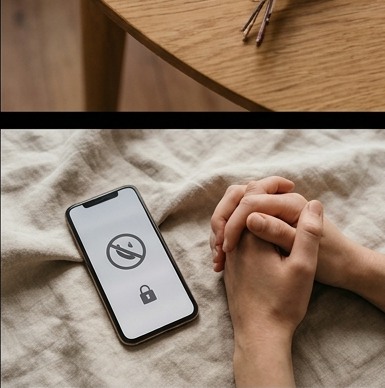
If he’s someone new and the calls have stopped
Early dating is full of mixed signals, and it’s normal to wonder. If you’ve been enjoying each other’s company, a friendly message is fine. If a few days pass and there’s no reply, a gentle second attempt a week later is reasonable, and after that it’s usually best to let it go. Interest that has to be chased is rarely the kind you want.
Notice how it feels. Dating someone who’s consistently interested tends to feel easy. If you’re constantly working out what a delay means, that tells you something. The best sign of a good fit is that you don’t have to wonder.
Message examples for different situations
Words are hard to find when you’re anxious, so here are some starting points. Adapt them to your own voice and keep them short.
After a few good dates and then quiet: “Hey, I really enjoyed Saturday. Hope your week’s going okay. Would you like to grab a coffee sometime?” This is warm, specific and easy to answer either way.
After an argument with a partner: “I’ve been thinking about what happened, and I don’t like how we left it. I’m ready to talk when you are.” It names your feeling, takes some responsibility for resolving it and gives him room.
To an ex after a long gap: “Hi, I’ve been thinking of you and hope you’re well. No need to reply, but if you ever want to catch up, I’d like that.” It removes the pressure and leaves the door open, and it only suits situations where he hasn’t asked for no contact.
What these have in common is that none of them demands a response, accuses him or tries to manage his feelings. If the message feels like a test, rewrite it. A good message could be ignored and still leave you comfortable with having sent it.
Reading signs without over-reading them
When you’re waiting, every detail looks significant: whether he read your message, when he was last online, whether he liked a photo. It’s easy to build a story from fragments. A read receipt means he saw it, not that he’s thinking about you. A late reply might mean he was driving, working or tired. A quick reply might mean he was bored.
Instead of decoding, look at what he does over time. Does he make plans and keep them? Does he ask about your life? Does he reach out without being prompted? Those patterns tell you more than any single signal. If the pattern is unclear, you can ask directly and kindly: “I enjoy spending time with you. Where do you see this going?” It’s a fair question, and the answer, or the avoidance of one, is useful.
What if he calls and it goes badly?
Sometimes the call comes, and it’s not what you hoped for. He may be distant, defensive or short. Try not to react in the moment. Listen, stay calm and say what you need to say without blaming. If the conversation heats up, it’s fine to say, “I’d like to pick this up when we’ve both had time to think.” Ending a call kindly is better than winning an argument.
Afterwards, give yourself time. Write down what was said, how you felt and what you want to do next. Talk to a friend. Resist the urge to send a long message to fix it immediately. If something was said that hurt, you can address it once you’ve settled. If he was kind and open, you can let the connection grow at a steady pace.
How to avoid making waiting a habit
Some people find themselves waiting for the same person over and over, on and off for months. If you recognise that, it may be worth asking what you’re getting from the pattern. Is the hope itself holding you in place? Are you avoiding the grief of letting go? Would you advise a friend to do the same?
It can help to set a boundary with yourself: “I’ll reach out once. If I hear nothing in two weeks, I’ll stop and focus on other things.” Then keep to it, and tell a friend so they can support you. Stopping isn’t giving up on love. It’s making space for someone who will call.
Coping while you wait
Waiting for a call can take over your day. Look after the basics: sleep, meals, daylight and movement. Tell a friend what’s going on, so you’re not carrying it alone. Limit phone checking by setting set times, such as morning and evening. Turn off notifications from the person if you can. Do something absorbing: a project, a class, a long walk. These aren’t distractions in a negative sense. They’re how you keep your life going.
If the waiting becomes distressing, if you can’t concentrate or sleep, or if you feel hopeless, talk to someone. Lifeline (13 11 14) is open at any hour in Australia, Beyond Blue (1300 224 636) offers mental health support, and MensLine Australia (1300 78 99 78) supports men. In the UK, Samaritans (116 123) is available at any hour. If you have thoughts of harming yourself, call Lifeline or 000 straight away.
A ritual for your own steadiness
If you’d like a ritual, point it at your own calm. Choose a quiet evening. Sit with a notebook, and a candle on a heatproof surface if you like. Write what you’d like to say to him, then write what you’d accept if he doesn’t answer. Read both slowly. Say aloud, “May I be calm, honest and kind to myself, and may I accept what comes.”
Let the candle burn briefly under watch, then put it out. Write one thing you’ll do tomorrow that has nothing to do with him. The ritual asks nothing of him, so it raises no ethical issues, and it gives your feelings somewhere to go. The guide to love spells at home versus a spell caster explains simple home practices.

What a consultation with Baba Ali involves
If you want to talk with a practitioner, you start by sending your situation through the secure form on the contact page. Baba Ali reads it and talks with you about what is going on and what you hope for. He then advises whether spiritual work fits and what it would include. The how it works page sets out the stages: consultation, preparation of ritual materials, the ritual itself, then updates through a private client portal.
It’s reasonable to ask what each stage covers and costs, and to be told plainly that no outcome can be promised. You should never be pressured to pursue someone who has asked for distance. The page on a love spell caster in Australia explains how remote sessions work.
When to let go
If you’ve reached out, given time and heard nothing, it may be time to accept that he isn’t going to call. That’s painful. It’s also information, and it frees you to put your energy where it’s returned. Letting go doesn’t mean you didn’t matter or that you did anything wrong. It means the interest wasn’t mutual.
Give yourself time to feel it. Talk to a friend, write it down and keep up your routines. The page on stopping loving someone offers practical steps for moving on. Many people find that, a few weeks later, the silence that felt unbearable has become a relief.
Scam warning signs
People waiting for a call are easy targets. Be wary of guarantees such as “he’ll call within three days,” large upfront fees, repeated requests for more money to “strengthen” the work, claims that someone has blocked him and threats of bad luck if you stop. A genuine practitioner explains what they do and what they can’t promise.
In Australia, Scamwatch, run by the ACCC, publishes current scam information and takes reports, and your bank may help if you act quickly. The guide to spell caster scams in Australia lists the warning signs. Before you pay anyone, write down what you’ve been promised and what happens if nothing changes.
If you live in the UK or elsewhere in Europe
The same points apply. Communication styles differ across countries, and what counts as a normal gap between messages varies, so keep your own culture and his in mind. Persistent unwanted contact is an offence in the UK and most of Europe. Relate offers counselling in the UK, and Samaritans (116 123) is there at any hour. Remote consultations work across time zones.

Frequently asked questions
Can a spell make him call me?
No. A call is a personal choice, and no ritual can force it. A ritual can help you feel calmer while you wait.
How long should I wait for him to call?
It depends on the relationship. For a new date, a few days is normal. After a fight, a day or two is common. If he’s an ex who asked for space, give him that.
Should I text him again if he doesn’t reply?
Usually no. One relaxed message is enough. If he hasn’t replied after several days, you can try once more, lightly, and then let it rest.
What does it mean if he never calls first?
It may mean he prefers messages, is shy, or is less interested than you are. Look at the overall pattern of effort. If most of it comes from you, that’s worth noticing.
Is it harassment to keep calling?
It can be. Repeated unwanted contact can amount to harassment or stalking in Australia, the UK and most of Europe. Stop if he’s asked you to or hasn’t responded.
Can I use his photo or name in a ritual?
It raises consent questions. A ritual focused on your own calm and intention avoids the problem.
Where can I get support?
Lifeline (13 11 14), Relationships Australia (1300 364 277) and MensLine Australia (1300 78 99 78) offer support. In the UK, Samaritans (116 123) and Relate help.
Why do men go quiet after things seem to be going well?
There are many possible reasons: stress, fear of getting too close, a busy period, or a change in feelings. You can’t know without asking. If it happens repeatedly, treat the pattern as information about how the relationship works for him, and decide what you’re comfortable with.
Is it okay to call him instead of texting?
It depends on your history. If you usually call each other, it’s fine. If he prefers messages, a call may feel like pressure. A short text first, such as “free for a quick chat later?”, gives him a choice.
Your next step
If you want to talk through your situation in private, you can start a confidential consultation through the contact page. You can also browse the other services, or read how the site writes and checks its guides in the editorial standards. A spell to make him call me can’t control his choice, and a ritual is best used for your own steadiness. If you’re struggling, call Lifeline on 13 11 14 in Australia or Samaritans on 116 123 in the UK.