African traditional love spells are often discussed online as if they were one single practice. In reality, Africa includes many cultures, languages, and spiritual traditions. This guide offers a respectful introduction without making promises about relationships or another person’s choices.
African traditional love spells: the direct answer
When people search for African traditional love spells, they usually need clarity about consent, timing, safety, cost and the practical steps that remain within their control. Our guide to love spell cost lists the questions to ask before paying.
People may turn to spiritual traditions for reflection, comfort, or a sense of connection during heartbreak. Those practices can be personally meaningful. They cannot guarantee reconciliation, control someone’s feelings, or replace practical support. Our honest look at whether reconciliation spells work covers what to expect.
Respecting diverse African traditions: African traditional love spells
African spiritual traditions are diverse. Their beliefs, ceremonies, materials, and community roles differ by region and family lineage. It is best to avoid broad claims that every tradition has the same history or method.
If you are learning about a practice, seek sources that name the specific community and respect its context. Be cautious when a website uses cultural labels only to sell a quick result.
Love, consent, and personal choice
Healthy relationships depend on consent, communication, and each person’s freedom to decide. No ritual or practitioner can ethically promise to make a specific person love you, return to you, or end another relationship.
Respect a former partner’s boundaries. Do not bypass a block, send repeated messages, or ask others to pressure them. If contact is unwelcome, step back and focus on your own wellbeing.
What spiritual reflection can support
Spiritual reflection can help you slow down and identify what you value in a relationship. You might use prayer, journalling, meditation, community support, or a meaningful personal ritual.
First, name what you are feeling. Next, consider what is within your control. Finally, choose an action that protects your dignity and the other person’s boundaries.
How to choose a practitioner carefully: African traditional love spells
A responsible practitioner explains their service, limits, prices, privacy practices, and any materials before you pay. They welcome questions and give you time to decide.
- Ask about their training or community connection.
- Ask exactly what a consultation includes.
- Request clear written pricing with no surprise fees.
- Decline any promise of a guaranteed result.
- Never share passwords, bank access, gift-card codes, or intimate images.
Leave if someone uses fear, claims an urgent spiritual emergency, or demands more money after payment. Those are warning signs, not proof of spiritual expertise.
Support after heartbreak
Breakups can affect sleep, mood, confidence, and daily life. Talk with trusted friends, family, or a licensed therapist if you need support. Professional care is especially important if you feel unsafe, overwhelmed, or unable to cope.
Spiritual guidance may sit alongside practical support if it fits your values. However, it does not replace mental-health care, medical advice, legal guidance, or safety planning.
Baba Ali’s own lineage
Baba Ali trained in Senegal within a family line of healers, and has practised for more than 30 years. His work draws on prayer, herbal knowledge and ritual passed down through that lineage. He is a member of the African National Healers Association and the National Spiritual Alliance, and was named Best Spell Caster in 2020 and 2022.
African spiritual traditions are many and varied, and no single practitioner speaks for all of them. Baba Ali speaks about what he was taught and practises, and he is careful to say so.
How the tradition shapes the work: African traditional love spells
Three ideas run through everything he does. Work is done for healing, never to harm. The practitioner does not charge for the working itself; the client covers the materials. And the person asking must be honest about their situation, because the ritual is prepared for that situation and no other. If the ethics worry you, read do love spells cause bad karma.
Read about Baba Ali, or see the rituals he offers and the principles behind them.
A continent of many traditions
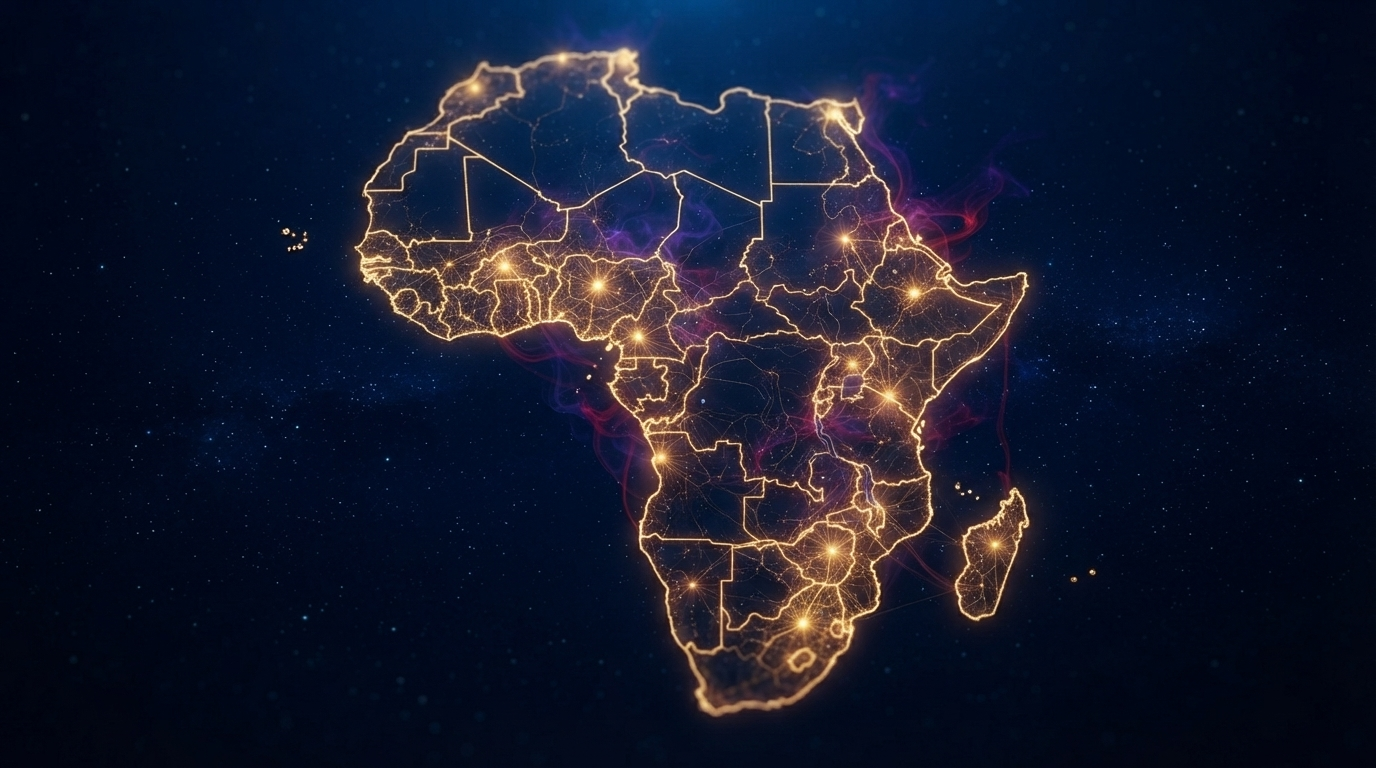
Africa is home to more than fifty countries and thousands of ethnic groups, languages and spiritual traditions. There is no single “African love spell”, just as there is no single European or Asian way of praying. Yoruba traditions in Nigeria and Benin, Vodun among the Fon and Ewe, Zulu and Xhosa traditions of South Africa, the healing practices of the Akan in Ghana, and the Sufi-influenced spiritual life of Senegal all have their own understandings of love, family and the spiritual world.
What many share is a view of the person as part of a web of relationships: with family, community, ancestors and the unseen world. Love and marriage are not only private matters between two people but events that involve families and spiritual forces. That view shapes how healers approach relationship problems.
The role of the traditional healer
In many African communities, traditional healers hold respected positions. They may be herbalists, diviners, spiritual advisers, or all three. People consult them about illness, family conflict, fertility, work, and relationships. A good healer is expected to listen carefully, understand the full situation, and restore balance, whether that means herbal medicine, prayer, ritual, advice, or a combination.
In South Africa, traditional health practitioners are recognised in law, and many other countries have associations that bring healers together and set standards. Baba Ali is a member of the African National Healers Association and the National Spiritual Alliance. Membership of such bodies is one way healers commit to ethical practice and accountability.
Common elements in relationship work: African traditional love spells
While practices differ widely, some elements appear in many African traditions when healers work on love and relationships.
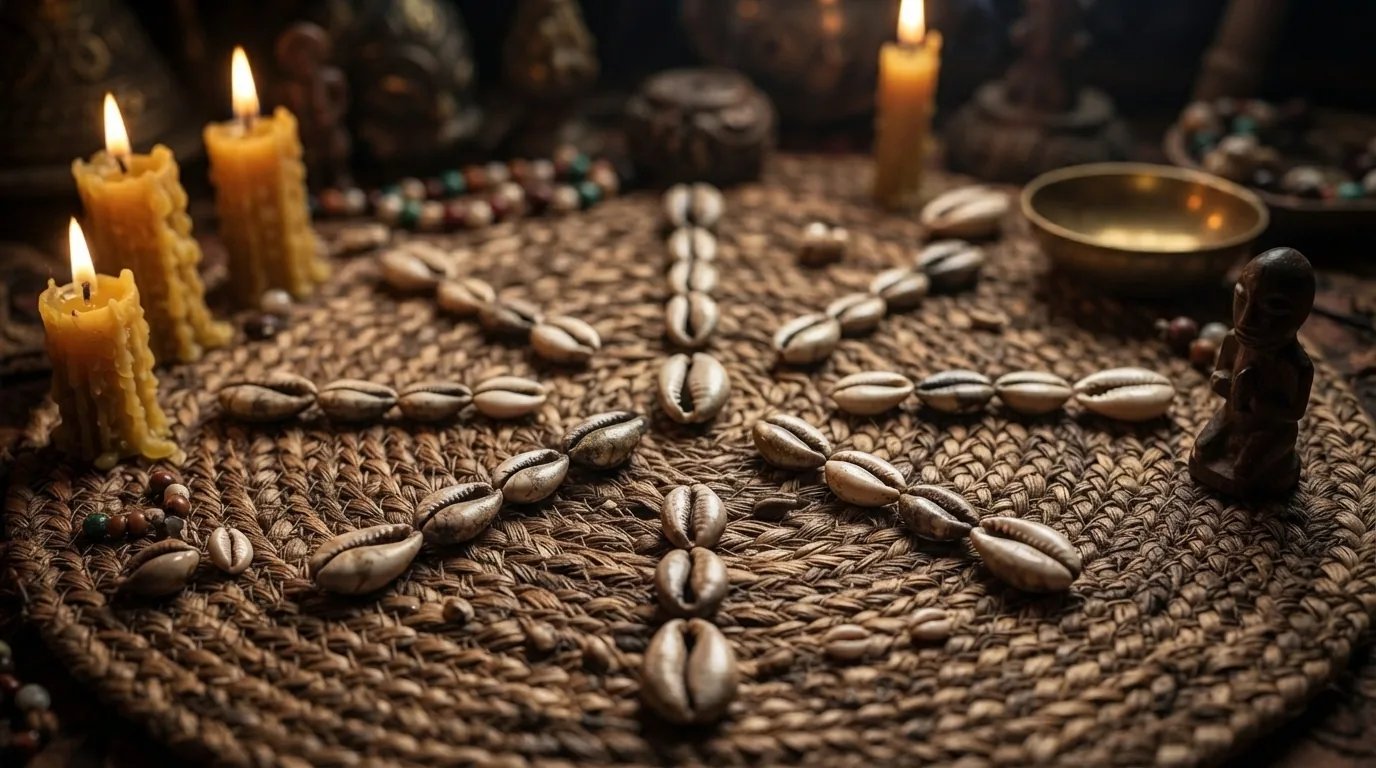
- Consultation and divination. The healer first seeks to understand the problem, sometimes through divination methods such as casting cowrie shells, reading patterns or prayer.
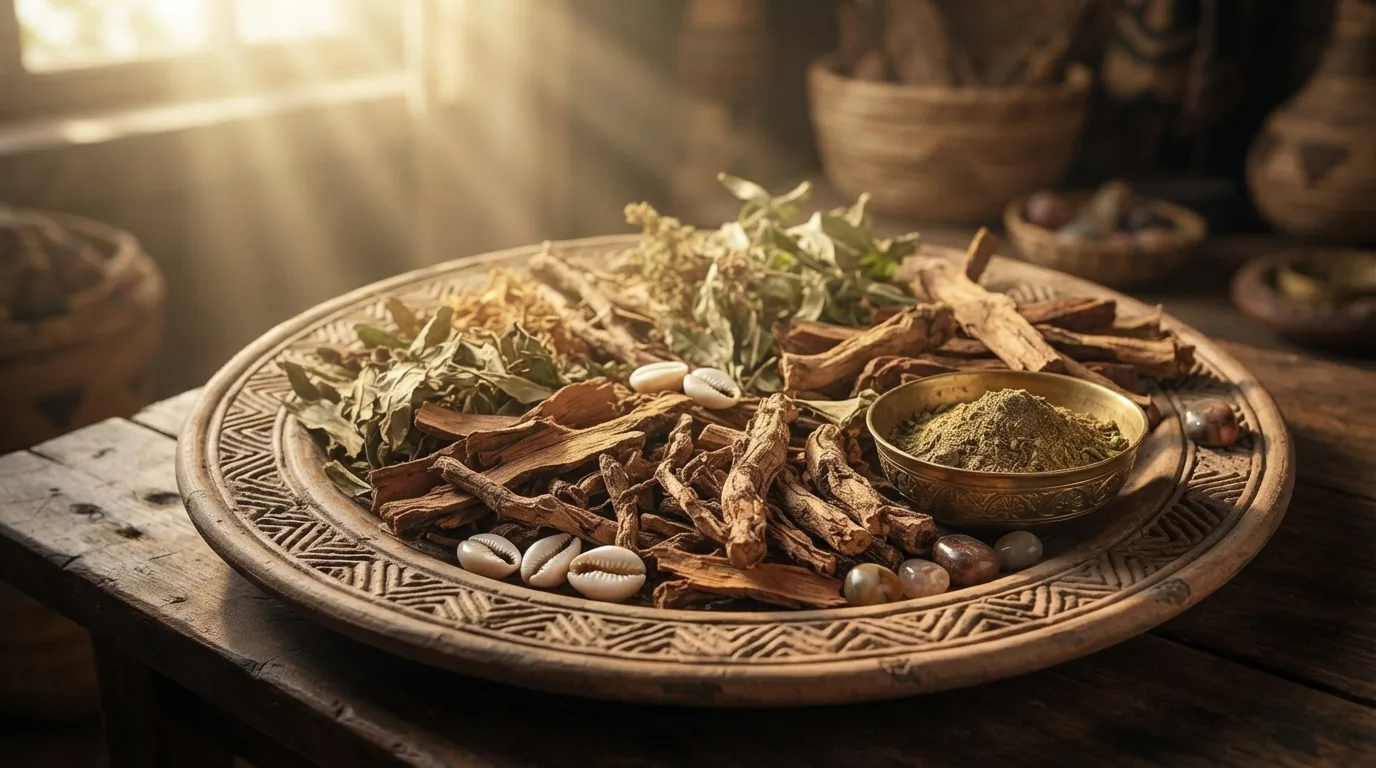
- Herbs and roots. Plants chosen for particular qualities, such as calming, attracting, protecting or cleansing, are prepared in baths, oils or charms.
- Prayer and invocation. Prayers to God, to spiritual forces or to ancestors, asking for harmony, reconciliation or protection.
- Offerings. Symbolic gifts that show respect and gratitude to the spiritual world.
- Family involvement. In many cases, resolving a relationship problem involves the families, not just the couple.
- Advice. Practical guidance about behaviour, communication and responsibilities often accompanies spiritual work.
Ancestors and love
Ancestors hold a central place in many African spiritual traditions. They are understood to remain connected to the living, offering guidance and protection, and sometimes expressing displeasure when family obligations are neglected. In relationship matters, ancestors may be called upon to bless a union, to help reconcile a couple, or to guide a person toward the right partner.
For clients who do not share this belief, it can help to understand it as a way of honouring family, heritage and the wisdom of those who came before. Many people find meaning in that, whatever their own faith.
Senegal and West African healing
Baba Ali trained in Senegal, where most people are Muslim and Sufi brotherhoods play a central role in religious and social life. Alongside Islam, older traditions of healing, herbal knowledge and prayer have continued, often passed down within families over many generations. Healers in this setting are consulted for health, family and relationship matters, and their work is usually grounded in prayer, deep knowledge of plants, and a strong sense of ethical responsibility.
Baba Ali’s own practice draws on that lineage. He has practised for more than 30 years and was named Best Spell Caster in 2020 and 2022. His work rests on three principles his tradition taught him: the working itself is not charged for, and the client covers only materials; work is done to heal, never to harm; and the client must be honest, because each ritual is prepared for one real situation.
Ethics in African healing traditions: African traditional love spells
A common misunderstanding is that African spiritual traditions are mainly about powerful, dark magic. In reality, most living traditions draw clear ethical lines. Healers are expected to use their knowledge for the good of individuals and communities. Work intended to harm others is widely condemned and associated with sorcery, which communities often fear and reject.
In relationship matters, that means genuine healers focus on restoring harmony, easing conflict, removing harmful influences and blessing unions that families support. Work designed to force someone into a relationship against their will, or to punish an ex, falls outside what most respected healers will do. Baba Ali holds firmly to that line, and our philosophy page explains his limits.
How African traditions have travelled
African spiritual traditions have spread far beyond the continent. The Atlantic slave trade carried West African beliefs to the Americas, where they shaped Haitian Vodou, Cuban Santería, Brazilian Candomblé and other traditions. More recent migration has brought African healers and their clients to Europe, Australia and North America. Today, many people of African heritage living abroad continue to consult healers from their home communities, often remotely, and many people without African heritage seek out African traditions too.
This spread has brought both good and bad. It has kept traditions alive and made them available to people who value them. It has also attracted people who use the language of African magic without any real training, to sell frightening promises online. Knowing the difference matters.
How to tell a genuine African healer from a copycat
- They can say where they trained and in which tradition. Vague claims of “powerful African magic” with no place or lineage are a warning sign.
- They respect other traditions. A genuine healer does not claim to practise every tradition at once.
- They have ethical limits. They refuse work intended to harm or control.
- They explain what they use and why. Materials are not secret or mysterious.
- They do not use fear to sell. No instant curses, no threats if you stop.
- Their pricing is transparent. You know the cost before anything begins.
Our guide to spotting a fake love spell caster covers more warning signs.
What an African love ritual with Baba Ali looks like: African traditional love spells
Clients often ask what actually happens. The details differ for every situation, but the process follows a clear shape.
Listening
Baba Ali begins by listening to the story of the relationship: how it began, what went wrong, what has happened since, and what the client hopes for. He asks about any new partner, children, legal matters and any history of fear or harm.
Assessment
He decides whether spiritual work suits the situation. If it does not, he says so, and suggests other help such as counselling, time or guidance for letting go.
Choosing the ritual: African traditional love spells
If spiritual work is appropriate, he recommends a ritual that fits, such as the bring back lost lover ritual for reconnection, the rekindle ritual for a bond that has faded, or the stop breakup ritual for a relationship under strain.
Materials
He explains what materials are needed and what they cost. There is no fee for the working itself. Nothing is prepared until the client agrees.
Preparation and timing
The ritual is prepared at a suitable time, often guided by the lunar calendar and the client’s local time zone.
Guidance afterwards: African traditional love spells
The client receives guidance for the following weeks and can contact Baba Ali at any time with questions. He reports that many clients see first signs within 3–7 days; timing varies with each situation.
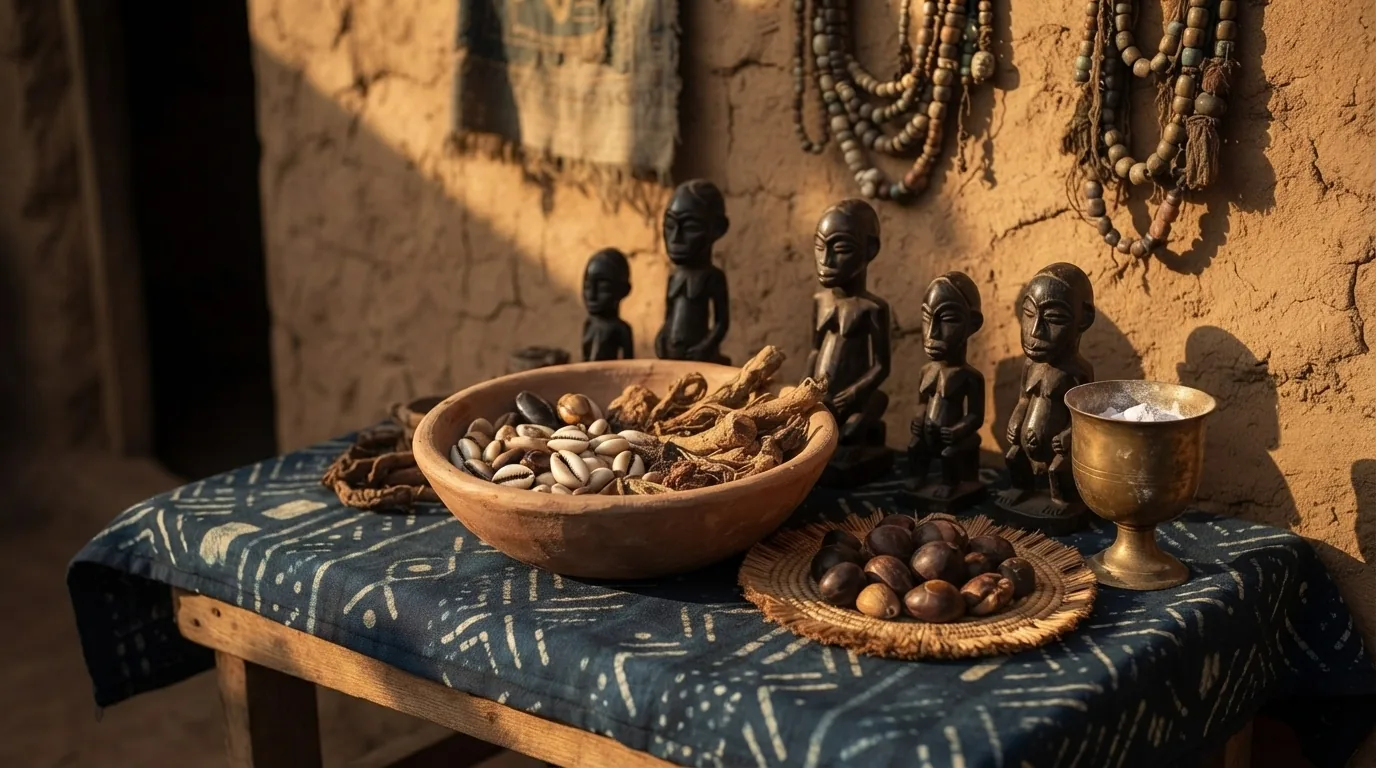
Common herbs and materials, and their meanings
Materials used in West African love and relationship work are chosen for their traditional associations. Some general examples, which vary by region and tradition:
- Honey is widely associated with sweetness and harmony between people.
- Kola nuts have long been exchanged in West Africa as symbols of hospitality, friendship and agreement.
- Cowrie shells were once used as currency and are associated with prosperity, fertility and divination.
- Shea butter is used for anointing, protection and blessing.
- Red and white cloth or thread may represent passion and peace.
- Specific leaves and roots are chosen for calming, attracting or cleansing properties, according to the healer’s knowledge.
Baba Ali will explain any material he uses if you ask. He never uses anything that harms animals or people, and he never asks for items obtained without someone’s consent.
Respecting a tradition you are not part of
Many of Baba Ali’s clients do not have African heritage. That is entirely welcome. The respectful approach is simply to be honest, ask questions, and treat the tradition with the same courtesy you would want for your own beliefs. You do not need to adopt any faith or practice to benefit from a consultation. Baba Ali works with clients of many religions and none, and he is always willing to talk about how a ritual sits alongside a client’s own beliefs.
Family, community and reconciliation: African traditional love spells
One of the most distinctive features of many African approaches to relationship problems is the involvement of family and community. When a couple separates in a traditional setting, elders from both families may meet to hear each partner, identify wrongs, and agree what must happen for repair. Apologies may be made publicly. Gifts may be exchanged. Prayers are offered for peace between the households.
This approach recognises that relationships do not exist in isolation. A couple’s problems often involve in-laws, finances, expectations and community pressures, and lasting repair usually means addressing those too. Even for clients far from Africa, the lesson is useful: reconciliation that has the support and understanding of the people around you tends to be stronger than one pursued in secret and isolation.
Frequently asked questions
Are African love spells stronger than other kinds?
Claims that one tradition is “stronger” are usually marketing. What matters is the honesty, experience and ethics of the practitioner, and whether the work suits your situation.
Do I need to believe in African spirituality for it to help?: African traditional love spells
Many clients do not share the tradition’s beliefs and still find the consultation and guidance helpful. Baba Ali respects every client’s faith.
Is African love magic the same as voodoo?
No. Vodun is one specific tradition among many in West Africa. See voodoo love spells for more on the differences.
Can an African healer help someone in Australia or Europe?
Yes. Baba Ali works remotely with clients around the world and takes local time zones and lunar timing into account. Australian clients can read about consultation hours and privacy.
Will the ritual harm my ex or their new partner?: African traditional love spells
No. Baba Ali does not do work intended to harm anyone.
How much does it cost?
There is no fee for the spiritual work itself. You pay for ritual materials only, quoted before preparation starts.
Preserving tradition in a modern world
Like many traditional practices, African healing faces pressure from modern life: urbanisation, migration, commercialisation and online fraud. Genuine healers carry a responsibility to preserve their traditions’ knowledge and ethics while adapting to new realities, such as consulting remotely with clients on other continents. Baba Ali sees that responsibility as part of his work. He practises in a way that honours what his teachers passed on, while making it accessible to people who need it, wherever they live.
Three illustrative situations: African traditional love spells
These examples show how Baba Ali applies his tradition to different relationship problems. They are not individual client stories.
The family who disapproved
A couple of West African heritage living in London separated after her parents opposed the marriage. Both still love each other. In a traditional setting, this might be addressed through family mediation, with elders on both sides. Baba Ali suggests prayers for peace between the families and practical steps to rebuild respect, alongside the third-party removal ritual focused on easing interference, never on harming anyone.
The couple far from home
A couple who moved to Melbourne from Nigeria find their marriage strained by isolation, work pressure and distance from family support. They argue constantly and have talked about separating. Baba Ali encourages them to reconnect with community, seek counselling, and consider the stop breakup ritual to ease the tension. He stresses that the practical support matters as much as the spiritual.
The client without African heritage: African traditional love spells
A woman in Perth with no connection to African spirituality contacts Baba Ali after a friend recommends him. She is curious but uncertain. He explains his tradition, answers her questions openly, and makes clear she does not need to adopt any belief. After their conversation, she decides a period of no contact and personal reflection is the right first step, and he agrees.
Learning more about African spiritual traditions
If you are curious about African spirituality beyond love and relationships, there is a great deal to explore: the proverbs and oral histories of West Africa, the role of music and dance in ceremony, the philosophy of Ubuntu in southern Africa, and the rich intellectual traditions of Islamic West Africa. Scholars from within these communities have written widely about them. Approaching with curiosity and respect is the best way to learn, and it tends to lead people away from the sensational online myths toward something far richer.
Proverbs on love and patience
West African cultures are rich in proverbs, and many speak to love, patience and relationships. Proverbs are often used in counselling and family mediation to make a point gently. A few themes that recur widely across the region: that patience can achieve what force cannot; that a relationship, like a fire, needs regular tending or it goes out; and that one hand cannot tie a bundle, meaning that some things can only be achieved together. These ideas echo through Baba Ali’s guidance to clients. Reconciliation is rarely forced into being. It is tended, patiently, by two people who both choose it.
What clients value most: African traditional love spells
When clients describe what they valued about working with an African healer, they rarely mention the rituals first. They mention being listened to properly, being told the truth, and feeling that someone took their pain seriously without judging them. Those qualities sit at the centre of good healing in every tradition. They are what Baba Ali aims to offer, whether or not a ritual turns out to be part of the answer.
Talking to Baba Ali
If you would like to talk about your situation, Baba Ali takes messages 24/7 by WhatsApp, phone and email. He will listen, tell you honestly what he sees, and explain any ritual and its cost before preparation starts. You can read more about his background and credentials, or browse the full list of rituals he offers.
Divination and understanding a situation
In many West African traditions, a healer may use divination to understand a situation more deeply before recommending any work. Methods vary: casting cowrie shells and reading how they fall, interpreting dreams, prayer and contemplation, or other techniques passed down within a lineage. The purpose is not fortune-telling for entertainment. It is to understand what lies beneath the visible problem, such as hidden tension between families, unresolved grief, or outside interference, so that the response fits.
Clients sometimes worry that divination will reveal something frightening. In ethical practice, it is used to guide and help, never to alarm. If anyone uses a reading to frighten you into paying for more work, treat that as a warning sign.
Healing that includes the whole person: African traditional love spells
African healing traditions often treat a person as a whole: body, mind, spirit and relationships together. A relationship problem might be linked to stress, illness, grief or conflict elsewhere in life. That is why a good healer asks broad questions and often gives practical as well as spiritual advice: rest, eat well, reconcile with a relative, spend time with community. This holistic view is one of the traditions’ great strengths. It reminds us that love does not exist in a vacuum, and that caring for the whole of your life is part of caring for your relationship.
A closing thought
African traditional love work, at its best, is not about power over another person. It is about restoring harmony: between two people, between families, and within the person seeking help. It is patient, grounded in community, and bound by ethics that have been handed down through generations. If you approach it in that spirit, with honesty, respect and realistic hope, you are likely to find it a source of real comfort and guidance, whatever happens with the relationship you are grieving. That is what Baba Ali has offered clients for more than 30 years, and what he continues to offer today to anyone who reaches out, wherever in the world they happen to be.
Whatever tradition you come from, you are welcome to ask questions and take your time. Good healing always begins with a conversation, and a conversation carries no obligation at all.
Reach out whenever you are ready.
Baba Ali answers messages at any hour, from anywhere in the world.
Frequently asked questions
Can an African traditional love spell guarantee reconciliation?: African traditional love spells
No. No spiritual service can guarantee another person’s feelings, actions, or relationship choices.
What is the safest next step after a breakup?
Respect the other person’s boundaries, care for your wellbeing, and seek qualified support when you need it.
Where can I learn more about wellbeing?
Read NHS mental health guidance for general information. For a private enquiry about spiritual guidance and its limits, visit How It Works or the official contact page.