
A spell to reunite family is usually searched by someone carrying a particular kind of ache. A marriage has split and the children now live in two homes. Or a brother hasn’t spoken to a sister in years. Or an adult child has gone quiet, a parent has been cut off, or a blended household has fractured over a funeral or a will. The word “family” covers a lot of pain, and the search is an attempt to do something about it.
Here’s the honest version of what’s possible. No ritual can bring a person back into your life against their will, and a family can’t be reunited by one party alone. What spiritual practice can do is help you stay steady, hold hope without obsession, and offer a moment of intention for peace and forgiveness. What actually reunites families, when they’re reunited, is patience, accountability, small repeated acts of reliability and a willingness from more than one person.
This guide is written for readers in Australia first and Europe second. It covers the different situations behind the search, what a spell to reunite family can and can’t do, how to approach an estranged relative, how to handle separated parents and children, the legal and support pathways in Australia, and how to avoid sellers who exploit a painful moment. It draws on the four top-ranking practitioner pages for this phrase in Australian results on 30 September 2026, which ran from about 1,000 to 3,300 words, on published research and on Australian public-service information. Those pages gave candle and herb routines. None looked closely at what reunion takes from the people involved.
Key takeaways
- Family reunion needs more than one willing person. A ritual can support you, but it can’t compel anyone.
- Start by working out which relationship you mean, because separated parents, estranged adult children and feuding siblings each need a different approach.
- Safety comes first. Where there has been violence or abuse, reunion may not be the right goal, and support services are the right call.
- Free help exists in Australia, including Family Relationship Centres and the Family Relationship Advice Line on 1800 050 321.

Which family are you trying to reunite?
People use the same phrase for very different situations, and the right steps depend on which one is yours. It might be a couple who have separated and share children, where the aim is for the parents to reunite or for the family to function well across two homes. It could be a parent and adult child who have fallen out, or siblings who stopped speaking. It might be a family that split after a death, a debt, an affair or a disagreement about care for an elderly relative. Married couples can read about the stop divorce spell and what it cannot do.
In some of these cases, the goal is a reunion in the strict sense: living under one roof again. In others, the realistic goal is narrower and kinder: a civil relationship, shared events without tension or an end to cold silence. Naming the goal honestly helps you avoid two common traps. One is chasing a complete reunion when the other person can manage only limited contact. The other is giving up on a workable, peaceful relationship because the full picture isn’t on offer.
Write the goal in a sentence and look at it again after a few days. “I want us to be able to share a birthday without an argument” is different from “I want everything to go back to how it was.” The first is often within reach. The second depends on changes you may not control.
What a spell to reunite family can and can’t do
A ritual is a focused act of intention. For family matters it usually involves candles, herbs, cloth, written names or photographs, and prayers or spoken wishes for peace, forgiveness and understanding. Some traditions ask ancestors or a higher power to soften hearts and open a way to conversation.
What it can do is give you something to do with pain that has no outlet. Research by Michael Norton and Francesca Gino, published in 2014 in the Journal of Experimental Psychology, found that people who performed a ritual after a loss felt less grief and more control. A family rupture is a loss, and a steadying ritual can help you come to it calmer, which affects how you speak and act when contact is possible.
What it can’t do is change another person’s decision, erase what caused the rift or substitute for an apology. Be cautious about any spell that says it will “force your family back” or make a relative “call you within days”. Those claims describe control, and they tend to produce disappointment. The page on whether reconciliation spells work goes through the evidence and the limits in more detail.
Safety first: when reunion isn’t the goal
Some family ruptures exist for good reason. If a relative has been violent, abusive, controlling or frightening, the estrangement may be protecting you or your children. In those cases, the aim isn’t reunion, it’s safety, and a ritual must never be used to pressure someone back into contact with a person they fear.
If you’re worried about violence in a family, 1800RESPECT (1800 737 732) offers free, confidential support, and in an emergency you should call 000. If you’re the person who was violent and want to change, there are services for that too, such as the Men’s Referral Service (1300 766 491). Children should never be asked to reunite with someone who frightens them. Their safety and their voice come first.

Separated parents: reuniting the couple or the family?
When a couple separates, people often search for a spell in the hope that the parents will reunite. That can happen, but it’s far from the only good outcome. For the children, the most valuable thing is usually a calm, cooperative relationship between their parents, whether or not the parents live together. A family can be reunited in the sense that it feels whole and safe again without the couple being a couple. If family disapproval is the obstacle, read about a spell to convince parents for a love marriage.
If reconciliation between the parents is on the table, the approach in the guide to reconciliation spells and the article on reconciling during the 12-month separation period applies. If it isn’t, the goal is to reduce conflict and build trust in the co-parenting relationship. Be punctual at handovers, keep messages short and civil, never use the children to carry messages and speak respectfully of the other parent in front of them.
Many separated parents find that the tension eases over time if they keep contact calm and predictable. Over months, that can make space for warmer contact, and in some cases, for renewed closeness between the adults. It can’t be forced, but it can be made possible.
Children’s needs in a reunion
Children often hope their parents will get back together, even when the relationship has been difficult. That hope is natural, and it’s kinder to meet it with honesty than with promises. You don’t need to say “we’ll never get back together”, and you shouldn’t say “we will” unless you’re sure. “We both love you, and that won’t change” is something you can always say.
Keep routines steady, because they give children a sense of safety. Let them express sadness or anger without trying to fix it. Don’t discuss adult conflict in front of them or ask them to choose sides. If a child is struggling, a school counsellor or a GP can help, and Kids Helpline (1800 55 1800) offers free, confidential support for young people.
If your family is being reunited after a separation, go slowly and let the children set some of the pace. A sudden return to full family life can be confusing. Short, pleasant contact that builds over time works better than a dramatic reunion.
Estranged adult children and parents
Estrangement between parents and adult children is painful for both sides, and it’s often about something real. Common causes include unresolved hurt from childhood, disagreement about a partner or lifestyle, conflict over money or caring duties, and differing values. One party usually wants reconnection more than the other.
If you’re the one seeking contact, the most useful thing is usually humility. Reflect honestly on what the other person may be hurt by, without defensiveness. A short, sincere message or letter that acknowledges their experience, says you’d welcome contact at their pace and asks for nothing else, is more likely to be read than a long account of your own pain. Then wait. Don’t follow with repeated messages or contact through third parties. If they say no, respect it.
If you’re the estranged person and the other side reaches out, you’re allowed to set conditions or decline. Reconnection on your terms, with boundaries, is better than contact that reopens harm. A counsellor can help either side work out what’s possible.
Siblings and extended family
Sibling conflict often starts in childhood patterns and is reignited by adult triggers: a parent’s illness, an inheritance, a caring arrangement, a slight at a family gathering. It can go on for years, because each side has a story of being wronged.
Reconnection often begins with something small and neutral, such as a message on a birthday, congratulations on good news or an invitation to a low-pressure gathering. Avoid using the first contact to settle the old dispute. Let trust build before you try to talk about what divided you, and when you do, focus on listening rather than proving who was right. If a dispute involves money or property, a mediator or solicitor may be needed, and a calm, structured process often does better than family meetings that flare up.

How to make a first approach
A good first approach is short, warm and easy to decline. It names something positive, avoids blame and asks for little. For example: “I’ve been thinking of you and hoping you’re well. I’d love to hear from you if you ever feel like it, and I understand if you’d rather not.” That’s it. It leaves the choice with the other person, which is what makes a reply possible.
Choose the medium carefully. A letter or message gives the person time to respond without pressure. A phone call can catch someone off guard. Avoid turning up in person unannounced. If you have a mutual relative you trust, you can ask them to pass on that you’re open to contact, but don’t ask them to argue your case.
Expect a slow start. A brief reply, a short exchange or a long silence is common. Take small steps and don’t interpret a cautious response as rejection. If there’s no reply after a reasonable time, you can try again once, gently, then step back and let the door stay open.
Forgiveness, accountability and what rebuilding trust takes
Family reconciliation rests on two things that can be uncomfortable: accountability and forgiveness. Accountability means owning your part without excuses. “I can see that what I said hurt you, and I’m sorry” goes further than a long justification. Forgiveness means the hurt person chooses, in their own time, to loosen their hold on the injury. It can’t be demanded, and it isn’t the same as trusting again.
Trust returns through consistent, small behaviour over time: doing what you say you’ll do, showing up when you said you would, speaking respectfully, keeping confidences. It’s slow, and it resets if a promise is broken. Be patient with yourself and with the other person, and avoid pushing for a dramatic moment of resolution. Quiet reliability is what rebuilds families.
Rituals can help here as an expression of intention: a candle lit for a relative you’re hoping to reconnect with, a prayer for peace in the family or a letter written and not sent, to put down what you feel. These are for your own steadiness. They don’t replace the human work, and they’re most useful when they prepare you to act with patience and kindness.
A simple ritual for peace in a divided family
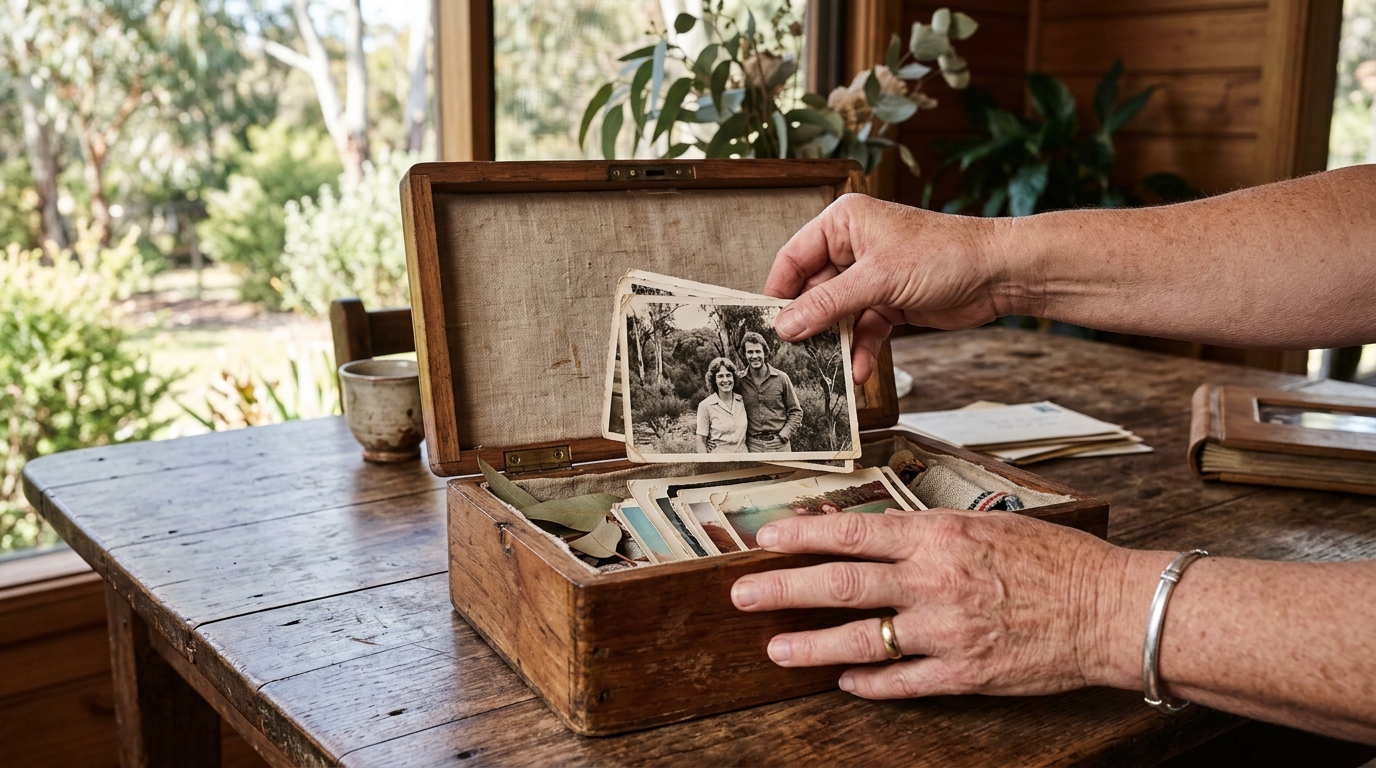
If you’d like a ritual of your own, here’s a gentle one that asks nothing of anyone else. Choose a quiet time. Place a candle on a table, along with a photograph of the family from a happier time, if you have one. Light the candle and sit for a moment.
Say, aloud or silently, what you hope for: peace, understanding, the chance to talk. Then say what you’re willing to do: listen, apologise where you should, be patient. Think of each person in the rift and wish them well, even if that’s hard. Let the candle burn for a little while, supervised, then snuff it out. Write one small action you’ll take in the coming week, such as sending a kind message or making a call, and do it.
Because the ritual targets no one, there’s nothing to hide and nothing to reverse. Its job is to steady you and set an intention, and to prompt a real step afterwards.
Family mediation and dispute resolution in Australia
When families can’t talk productively on their own, mediation can help. In Australia, Family Relationship Centres offer information, referrals and family dispute resolution, and the Family Relationship Advice Line (1800 050 321) can point you to local services. For separated parents, attending family dispute resolution is generally expected before applying to the court about parenting arrangements, with exceptions for family violence, abuse and urgent cases.
A parenting plan, which is a written agreement about how children will be cared for, can help reduce conflict, and it can be made with the help of a mediator. If you’re dealing with a property or inheritance dispute, a solicitor or mediator can advise on the process. This is general information, not legal advice, and the right path depends on your circumstances.
Relationships Australia (1300 364 277) also offers counselling and family services, and many of their programs aim specifically at helping families communicate after separation or conflict.
Counselling for the people at the centre of it
Family rifts are painful to live with, and counselling for you, as well as for the family, is worth considering. A counsellor can help you understand your own part in the pattern, manage grief and anger, and plan a sensible approach. Your GP can discuss mental health support, and Lifeline (13 11 14) is available at any hour if the pain is heavy.
If the other person is willing, family or relationship counselling can offer a structure in which hard things can be said and heard. A skilled counsellor keeps the conversation fair, makes sure everyone is heard and helps set ground rules. It works best when everyone involved chooses to be there, and it doesn’t conflict with faith or spiritual practice.
Working with Baba Ali
If you want a spiritual element alongside these steps, the way in is the secure form on the contact page, where you describe your family situation. Baba Ali reads your account and speaks with you about it, then advises whether spiritual work suits your circumstances and what it would involve. The how it works page sets out the stages: consultation, preparation of materials, the ritual, and updates through a private portal.
It’s fair to ask what each stage involves and what it costs before you agree, and to be told directly that the outcome can’t be guaranteed. You shouldn’t be asked to take photographs or belongings from relatives without their knowledge. The page on a love spell caster in Australia explains how remote sessions work for clients around the country.
Faith communities and family peace
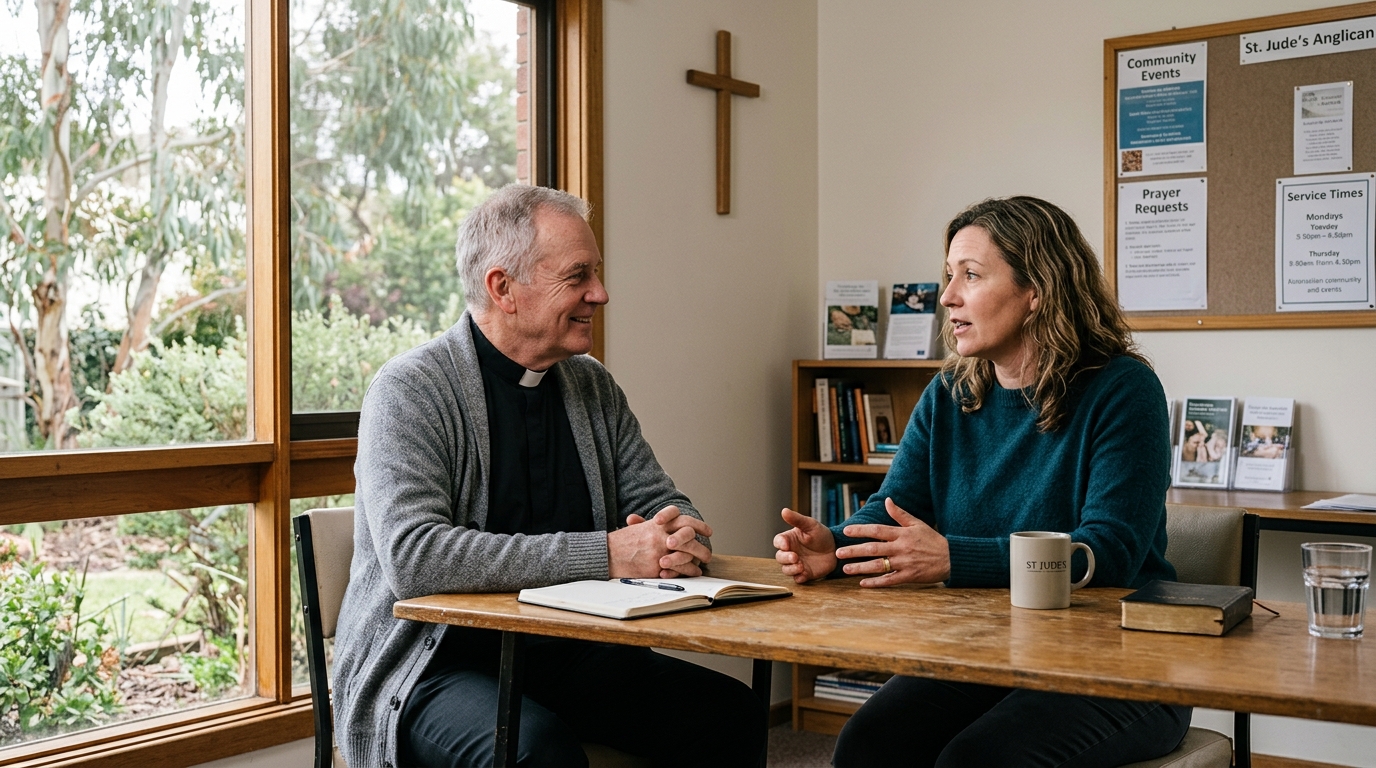
For many families, faith is part of how conflict is handled. A pastor, priest, imam, rabbi or elder can mediate, offer counsel and pray with a family, and many people find that helpful alongside counselling. If you’re from a faith tradition, it’s worth asking whether your community has a way of supporting reconciliation.
Spiritual practices differ, and there’s no need to choose between them. You can ask a faith leader for a blessing, see a counsellor and, if you wish, consult a practitioner. What matters is that none of them is used to pressure a family member, and that everyone’s dignity is respected. If someone in your faith community tells you a ritual will force a relative back, treat that with caution.
Mistakes that make estrangement last longer
Certain habits reliably deepen a rift. Repeated contact after someone has asked for space makes them feel pursued. Recruiting relatives to argue your case creates sides. Bringing up the whole history in a first conversation overwhelms it. Expecting an immediate apology or acknowledgment sets you up for disappointment.
Others include posting about the conflict on social media, using children or grandchildren as go-betweens, and offering a conditional apology, such as “I’m sorry you feel that way”. Doing a ritual using a relative’s belongings or photographs without their knowledge is another, and it can damage trust if discovered. The alternative is slow and quiet: one kind contact, patience and respect for the answer.
Scam warning signs
A family in pain is a target. Be wary of anyone who guarantees a reunion, names a date, demands large upfront payment, asks for more money to “strengthen” the work, says a curse is behind the rift or threatens bad luck if you stop. Another warning sign is pressure to keep the arrangement secret from your family. A real practitioner tells you plainly what they do, what it costs and what they can’t promise.
In Australia, Scamwatch, run by the ACCC, publishes current scam information and takes reports, and your bank can sometimes help if you act fast. The guide to spell caster scams in Australia lists the red flags. Before paying anyone, write down what you’ve been promised, what it costs and what happens if nothing changes.
If you live in the UK or elsewhere in Europe
Family reconciliation looks much the same in Europe, with differences in the legal and support frameworks. In England and Wales, separated parents generally attend a mediation information and assessment meeting before applying to the court about children, with exceptions for safety concerns. Relate offers relationship and family counselling in the UK, and Samaritans (116 123) is there for anyone struggling.
Many European countries have public family mediation services, and some have strong traditions of faith-based or community mediation. Ask your GP, local authority or a solicitor what’s available near you. Remote consultations work across time zones, which suits clients in Europe as much as those in Australia, but the practical steps above apply wherever you live.
Holding hope without waiting
One of the hardest parts of a family rift is living with not knowing. It helps to hold hope lightly: keep the door open, stay kind and get on with your own life. Waiting for a call can take over your days. Put energy into what you can control: your health, your friendships, your work, the relationships that are currently good.
Some people find a yearly marker helpful, such as a card on a birthday, with no expectation of reply, or a quiet moment on an anniversary. These small, steady gestures keep a door open without pressure. And if reconciliation never comes, you can still build a life that isn’t defined by the rift, and you can still wish the person well.

Frequently asked questions
Can a spell to reunite family really bring us back together?
No ritual can make other people reunite. Spiritual practice can help you feel calmer and more hopeful, and it can go alongside real steps such as a kind first approach or mediation. The outcome depends on the people involved.
How long does it take to reunite a family after a rift?
There’s no set time. Some rifts soften in weeks after a sincere first contact. Others take years, and some never fully heal. Be wary of anyone who promises a date.
What if my relative refuses to speak to me?
Respect it. Send one brief, kind message if you haven’t already, leave the door open and don’t pursue contact. Focus on your own wellbeing, and consider counselling to help with the grief.
Should I involve the children in a family reunion?
Let them set some of the pace, and never use them as messengers. Be honest, keep routines steady and make sure they feel safe. If they’re struggling, Kids Helpline (1800 55 1800) can help.
Is it ethical to do a ritual using a family member’s photograph?
Using someone’s belongings or image without their knowledge raises consent concerns and can damage trust if discovered. A ritual for your own peace and intention needs nothing from them.
What if there was violence in the family?
Safety comes first. Reunion may not be appropriate, and a ritual should never be used to pressure someone. Call 1800RESPECT on 1800 737 732, or 000 in an emergency.
Where can I get free help in Australia?
Family Relationship Centres, the Family Relationship Advice Line (1800 050 321), Relationships Australia (1300 364 277), Lifeline (13 11 14) and Kids Helpline (1800 55 1800) all offer free or low-cost support.
Your next step
If you’d like to talk through your family’s situation in private, you can start a confidential consultation through the contact page. You can also browse the other services, or read how the site writes and checks its guides in the editorial standards. A spell to reunite family is best understood as support for your own steadiness and intention, not a guarantee. If you’re struggling, call Lifeline on 13 11 14 in Australia or Samaritans on 116 123 in the UK.