
A spell for family harmony tends to get searched on a bad day. Dinner ended in a shouting match. The in-laws have moved in and everyone’s on edge. The kids from two households can’t share a room without a fight, and you’re tired of being the referee. You don’t want a fairy tale. You want a home where people can breathe, where a conversation doesn’t turn into a war, and where holidays aren’t dreaded.
That’s a worthwhile aim, and it’s well suited to ritual, because a ritual is a way of marking what you want a home to feel like. The catch is that harmony in a household is built by habits, not by a one-off act. A spell can give you a calm starting point and a shared moment, and then the work is in how the family talks, divides things up and handles the flashpoints. This guide covers both halves.
It’s written for readers in Australia first and Europe second. It explains what harmony looks like in practice, what a spell for family harmony can and can’t do, how to handle in-laws and blended families, how to run a family meeting, a home ritual you can do with children, and where to find support. None dealt with how a family actually argues and makes peace.
Key takeaways
- A spell for family harmony can set an intention and calm the atmosphere. Lasting peace comes from shared rules, fair dividing of responsibilities and kind communication.
- In-law and blended-family friction is normal and usually eases with clear boundaries, patience and a united couple.
- A weekly family meeting does more for household peace than most rituals, and it can be combined with one.
- If there’s violence, fear or abuse, safety comes first. Call 1800RESPECT on 1800 737 732, or 000 in an emergency.

What a harmonious family actually looks like
Harmony doesn’t mean nobody disagrees. In a healthy family, people argue, sulk and get irritable, and then they repair. The marks of a harmonious household are that people feel heard, that rules are roughly fair and predictable, that conflict gets resolved instead of buried, and that there’s enough warmth to outweigh the friction. Children in such homes know what to expect, and adults feel they can be honest without being punished for it.
Seen that way, the work isn’t to eliminate conflict. It’s to make conflict safer and shorter, and to add enough small moments of warmth that the family’s overall mood leans positive. That’s an achievable aim, and it gives you something to measure: Do people speak kindly more often than not? Do arguments end with some repair? Is there time each week when everyone is together and relaxed? Those are signs of harmony, and they’re things a family can build.
What a spell for family harmony can and can’t do
A ritual for harmony is a focused act of intention, often involving candles, herbs, water, cleansing the house or written wishes for peace. It may be done by one person for the household or by the whole family. Traditional versions ask for calm, understanding and kindness among the people who live together.
What it can do is shift the mood. A person who has carried out a calming ritual tends to enter the room more settled, and in a tense household one calm person changes a lot. Research from Norton and Gino, published in 2014 in the Journal of Experimental Psychology, found that rituals helped people feel less anxious and more in control after a loss, which suggests the act can steady whoever performs it. When a whole family takes part, it also creates a rare shared moment in which everyone is aiming at the same thing.
What it can’t do is make people change, settle a real disagreement or replace honest talk. A ritual that promises to “end all conflict” or make a difficult relative “see reason” is overselling. The guides to spells for a happy marriage and protection spells for marriage cover related rituals for the couple at the centre of a household.
Start with a weekly family meeting
If you try only one thing, try this. A family meeting is a short, regular gathering in which everyone has a say. It works because problems get raised before they explode and because people learn that they’ll be heard.
Keep it brief, twenty to thirty minutes, and hold it at the same time each week, perhaps on Sunday evening with a snack. Begin with appreciation, each person saying one thing they valued about someone else that week. Then work through an agenda that anyone can add to during the week: chores, schedules, a conflict, a plan for the weekend. Let each person speak without interruption. Agree on one or two changes and write them down. End with something light, a game or a treat.
Keep children’s ages in mind. Younger ones can contribute with drawings or simple choices, and teenagers often respond to having a real vote. Make it clear that the meeting isn’t a place for blame, and that no one is in trouble for speaking honestly. If a topic is too heated, pause it and return to it after a cooling-off period.
Household agreements that keep the peace
Many family arguments are about unwritten rules: who cleans up, when the TV goes off, who uses the bathroom first, what counts as a fair share. Making those rules explicit, and agreeing on them together, takes a lot of heat out of daily life.
List the flashpoints in your house and agree on simple rules for each: chore rosters, screen limits, noise after a certain time, how guests are handled, what happens when someone breaks a rule. Write them down and put them somewhere visible. Review them every month or two, because circumstances change. Fairness matters more than equality. A rule that feels fair, even if not identical for everyone, is more likely to hold.
Consistency helps children most. Rules that apply one day and not the next breed resentment and testing. If you share parenting with another adult, in the same home or in two homes, agree as far as you can on the essentials, so children don’t learn to play one against the other.
In-laws: how to live with, and around, them
In-law relationships combine closeness and friction in a way few others do. You didn’t choose each other, you may see the world differently and you both love the same person. Tension often comes from expectations: how often to visit, how to raise the children, how money is used, how holidays are divided, and whose traditions win.
The principle that works best is that each partner handles their own family. If your mother makes a comment that hurts your spouse, it’s your job to talk to her, gently and firmly, not your spouse’s. Agree with your partner in private on the limits you want, then present them calmly and together: “We love having you, and we’ve decided to plan our own weekends.” A united couple is hard to divide.
Give in-laws a role where you can. A grandparent who is asked for help with something specific, such as a weekly dinner or a story at bedtime, often feels valued and steps back from criticism. If a relative keeps crossing lines, shorten visits, meet in neutral places and keep conversation to safe topics. Try to assume goodwill where you can, because much in-law friction comes from insecurity about losing a place in the family rather than from malice.
Living in the same house as in-laws or extended family
Multigenerational households are common in Australia and across Europe, for practical and cultural reasons, and they can work well. They also raise the stakes, because there’s no retreat. Clear agreements are essential: which spaces are shared and which are private, who cooks and cleans and when, how bills are split, how guests are managed and how decisions about children are made.
Hold a regular meeting of the adults, separate from the main family meeting, to handle issues before they build. Give each household unit a place that’s theirs. Respect differences in routine, food and culture, and agree on what you’ll each let go of. If tension builds, a neutral mediator, such as a family counsellor or a trusted community figure, can help. The page on love spells for married couples covers how couples can protect their own relationship when living alongside extended family.
Blended families and the long road to settling
Blending two families is harder than most people expect, and it’s often slower. Children may feel loyalty conflicts, resentment toward a step-parent or grief about the earlier family. Adults may feel pressure to make everyone happy at once. It’s normal for the process to take years rather than months.
A few principles help. The couple comes first, because a solid partnership is the base on which the rest stands. The biological parent takes the lead with discipline at first, while the step-parent builds a relationship through interest and reliability, not authority. Children are given time and space and aren’t expected to love a step-parent instantly. Traditions are blended gradually, and children’s existing routines are respected as far as possible.
Avoid competing with the absent parent, criticising them in front of the children, or asking children to carry messages. Keep the relationships with ex-partners civil and focused on the children. If conflict is high, counselling or mediation can help. Family Relationship Centres in Australia provide information and family dispute resolution, and the Family Relationship Advice Line (1800 050 321) can refer you to local services.

Sibling rivalry and teenagers
Rivalry between siblings is common, and it usually reflects competition for attention, fairness and territory. You can reduce it by avoiding comparisons, giving each child individual time, involving them in setting rules and stepping in only when behaviour is unsafe or unkind. Teach children to state what they feel and need, and to negotiate.
Teenagers add their own push for independence. They want more say and less supervision, and they test limits. Hold firm on the essentials while offering real choices on less important matters. Listen more than you lecture. Pick your battles. A teenager who feels respected is likelier to come to you when it matters. If a young person is struggling, Kids Helpline (1800 55 1800) offers free, confidential support, and your GP or a school counsellor can help too.
Caring for elderly parents and sibling disagreements
Caring for ageing parents is one of the commonest triggers of family conflict among adult siblings. One sibling often does most of the caring and feels unappreciated. Others may live far away and feel guilty or excluded. Money, decision-making and old resentments can all surface.
A structured conversation helps. Meet, in person or on video, and list what needs doing: medical appointments, meals, finances, company. Divide tasks according to what each person can realistically do, and acknowledge the contribution of the main carer. Agree how costs are shared. If decisions are contested, a neutral third party such as a family mediator, a GP or an aged care adviser can help. Keeping the parent’s own wishes at the centre is a good guide when disagreements arise.
Holidays and celebrations without the dread
Christmas, Easter, birthdays and weddings are flashpoints for many families. A few tactics help. Plan early, so people aren’t negotiating at the last minute. Agree on a fair rotation of where you spend holidays. Keep expectations modest, and lower the alcohol if it tends to fuel conflict. Give everyone a role, and have an exit plan if tempers rise.
Decide in advance which topics to avoid, and agree a gentle way to change the subject. If a particular relative is a problem, pair up with someone supportive and take breaks outside. For blended families, allow children to spend time with each household without guilt. It helps to start a new small tradition that belongs to your own household, such as a walk on the morning of a holiday or a special breakfast.
A family harmony ritual to do together
If your family is willing, a short shared ritual can mark a fresh start. Choose a time when everyone is home and relaxed. Tidy the main room together and open the windows. Put a candle on the table, and if you have children, a jar and some slips of paper.
Light the candle. Each person writes or draws one thing they’re grateful for in the family and one thing they’d like more of, for example more laughter, more help or more time together. Read them aloud, without comment, and put them in the jar. Say together a simple intention, such as “May our home be peaceful, kind and honest.” Let the candle burn while you share a snack, then extinguish it safely.
Keep the jar, and read a few slips at the next family meeting. The shared act matters more than any detail, and it’s something children often remember. The guide to marriage spell candles describes candle colours and their traditional meanings if you’d like a symbolic layer.
A solo ritual when the family won’t join in
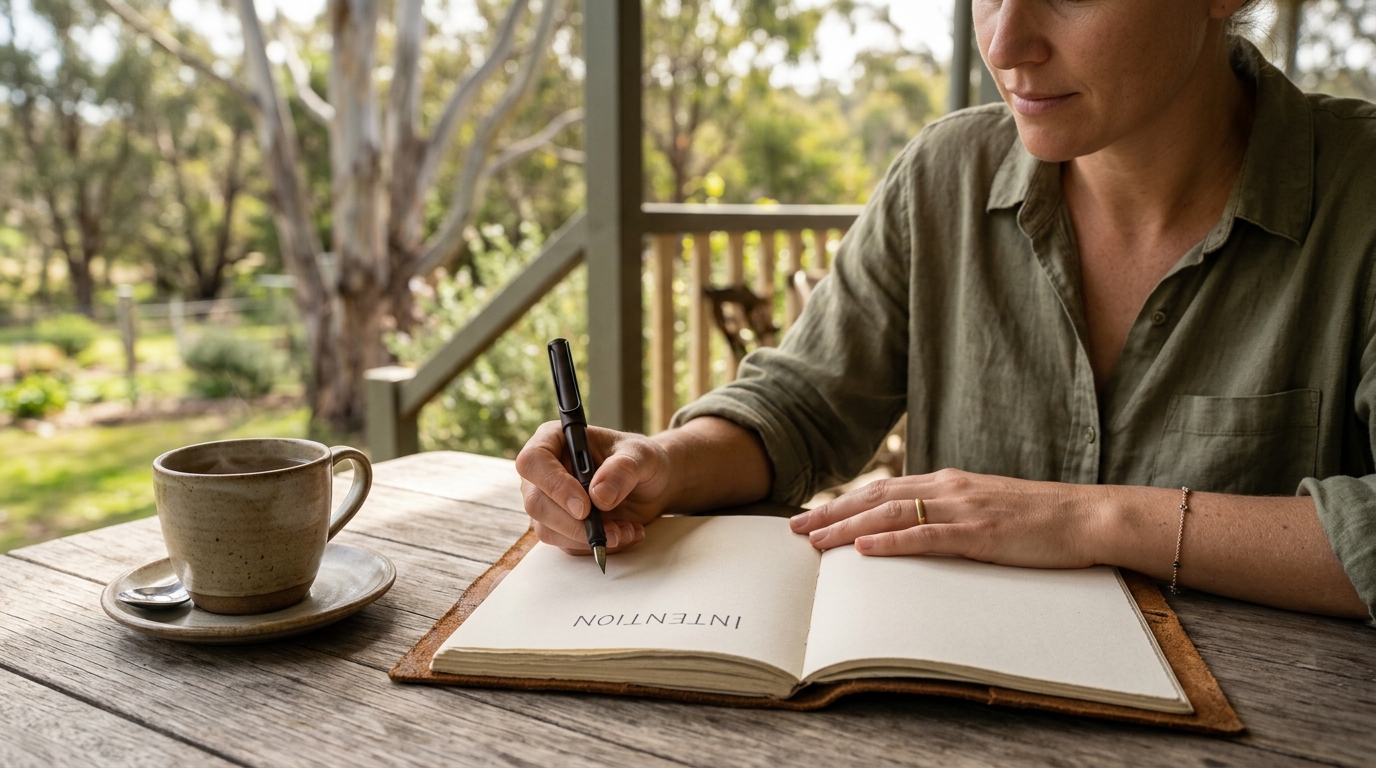
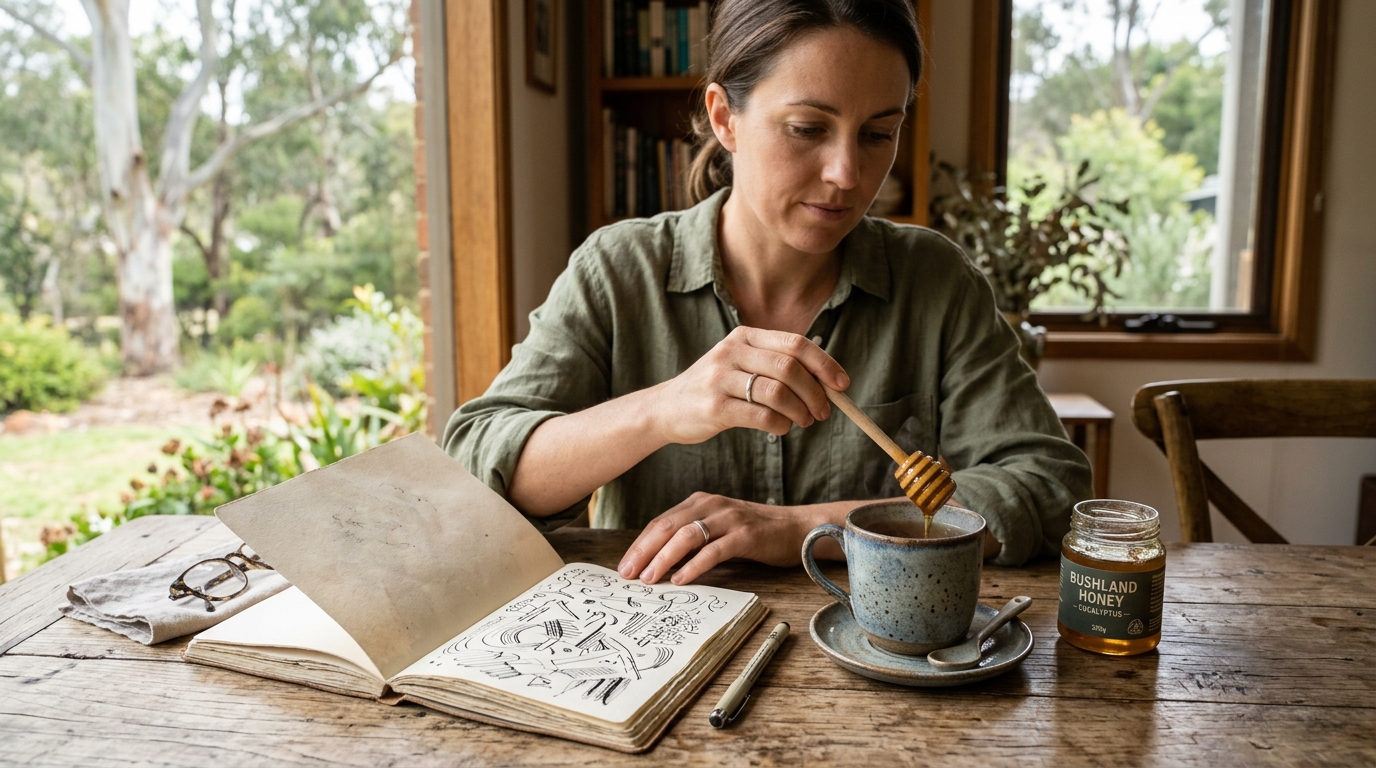
Sometimes the rest of the household isn’t interested, and that’s fine. You can do a quiet ritual for your own steadiness. Find a private moment, light a candle and sit with a notebook. Write what you hope for your family: peace, patience, honest talk. Write what you’re willing to do, for example to listen more, to apologise where needed and to let small things go. Write one action for the coming week.
Read it slowly, take a few breaths and say your intention aloud. Let the candle burn for a short time, supervised, then put it out. Because it asks nothing of anyone else, it has no ethical complications, and it gives you a way to come back to calm when the household gets loud.
Faith, culture and family traditions
Families carry beliefs and traditions from many cultures, and these shape how harmony is understood. In some, respect for elders and family obligation are central. In others, individual choice is emphasised. Conflicts often arise when generations or partners hold different expectations, for example about marriage, care for parents or religious practice.
The useful approach is curiosity. Ask about the meaning behind a tradition before judging it. Look for ways to honour what matters to each person, and be willing to adapt. Faith leaders and community elders can be valuable mediators, and many people find it helpful to combine their counsel with counselling and, if they wish, spiritual practice. Nobody should be pressured to take part in a ritual against their wishes.
Counselling and family support in Australia
Family counselling isn’t only for crises. It can be a practical way to change patterns before they harden. Relationships Australia (1300 364 277) offers counselling and family services. The Family Relationship Advice Line (1800 050 321) gives free information and referrals, and Family Relationship Centres run programs for families after separation or conflict. Your GP can discuss mental health support and referrals.
In a first session, expect a lot of listening. A counsellor will ask what brought the family in, what each person wants and what’s been tried, and will usually offer small tasks, such as a weekly meeting or a new way to handle a flashpoint. Bring children in where it’s suitable, and let them speak. It works alongside faith and spiritual practice.
How a consultation with Baba Ali works
If you’d like a spiritual element for your household, the first step is to share your situation through the secure form on the contact page. Baba Ali looks it over and speaks with you about your family and what you hope will change, then advises whether spiritual work is a good fit. The how it works page lays out the stages: consultation, preparing the ritual materials, the ritual itself, then progress updates through a private client portal.
You’re entitled to ask what each part involves and what it will cost before agreeing, and to hear that no outcome is guaranteed. Nobody should ask you to do anything to a family member without their knowledge. The page on a love spell caster in Australia describes how remote sessions work for clients across the country.

When the problem is bigger than harmony
Some household problems aren’t solved by better communication or a ritual. If a family member has a serious mental health issue, an addiction, a gambling problem or is being violent, the household needs professional support. The right first step might be a GP, a counsellor or a helpline.
If there’s fear, intimidation or violence at home, safety comes first. Coercive control is a criminal offence in some Australian states, and support is available. 1800RESPECT (1800 737 732) is free and confidential, and in an emergency call 000. A harmony ritual should never be used to keep someone in a home where they’re afraid.
Mistakes that keep a household tense
Some habits keep the temperature high. Raising important issues in the middle of an argument, when nobody can listen, is one. Taking sides, keeping score and bringing up old grievances are others. Shouting at children and then expecting respect from them rarely works.
Gossiping about one family member to another creates mistrust. Leaving rules vague leads to constant friction. Doing a ritual aimed at a particular person without their knowledge, or using their belongings, is ethically shaky and can make things worse if discovered. The alternative is consistent, kind communication and fair rules.
Scam warning signs
Stressed households are a target for sellers. Be cautious of guaranteed results, fixed timeframes, large upfront payments, repeated requests for more money to “strengthen” a blessing, claims that a curse is on your home and threats of bad luck if you stop paying. A genuine practitioner explains what they do, what it costs and what they can’t promise. For marriages close to ending, see the stop divorce spell consultation.
In Australia, Scamwatch, run by the ACCC, publishes current scam information and takes reports, and your bank may be able to help if you act quickly. The guide to spell caster scams in Australia lists the red flags. Before paying, write down what you’ve been promised, what it costs and what happens if nothing changes.
If you live in the UK or elsewhere in Europe
Multigenerational and extended-family living is common across much of Europe, particularly in the south, and family mediation is widely used. In the UK, Relate offers relationship and family counselling, and Samaritans (116 123) is there for anyone struggling. Home blessings, church prayers and folk customs for peace in a household have a long history in many European traditions, and many families still use them at new homes or new beginnings.
Laws and services differ by country, so if a family dispute involves children, property or care decisions, seek local advice. Remote consultations work across time zones, which suits clients in Europe as much as in Australia.
Keeping the peace once it arrives
When the atmosphere improves, protect it. Keep the weekly meeting going even when things are fine. Keep showing appreciation out loud. Review household agreements every few months. Celebrate small wins, and don’t let minor irritations build into grievances.
When a flare-up happens, as it will, go back to basics: pause, listen, repair and adjust the rules if needed. Some families keep a short list of what works for them, stuck on the fridge, so they can find their way back quickly. A household that has handled a rough patch well often becomes closer, because everyone knows peace can be rebuilt.

Frequently asked questions
Does a spell for family harmony really work?
A ritual can set a calmer tone and give a family a shared moment. It can’t change people or settle disagreements by itself. Lasting harmony comes from fair rules, honest talk and small daily habits, with a ritual as a supporting act. Read do love spells last forever for what keeps a reunion going.
Can I do a family harmony ritual alone?
Yes. A private ritual for your own calm is fine. Avoid anything aimed at a particular person without their knowledge, or involving their belongings.
What if my family thinks rituals are silly?
Offer a secular version: a family meeting with a gratitude round, a shared meal or a walk. You can also do your own quiet practice without pressing anyone to join.
How can I deal with a difficult mother-in-law?
Agree on limits with your partner, then let your partner deal with their own mother. Keep contact kind and structured, give her a meaningful role where you can, and assume goodwill when possible.
How long does it take for a blended family to settle?
It often takes years. Prioritise the couple, go slowly with step-parent authority, respect children’s existing routines and get support if conflict is high.
Should we get counselling as a family?
If arguments repeat, if children are struggling or if tension is affecting health, yes. Counselling doesn’t conflict with faith or spiritual practice.
What if there’s violence or abuse at home?
Safety comes first. Call 1800RESPECT on 1800 737 732, or 000 in an emergency. A ritual must never be used to keep anyone in an unsafe situation.
Your next step
If you’d like to talk through your household’s situation in private, you can start a confidential consultation through the contact page. You can also browse the other services, or read how the site writes and checks its guides in the editorial standards. A spell for family harmony is best understood as a way to set an intention for peace, not a guarantee. If you’re struggling, call Lifeline on 13 11 14 in Australia or Samaritans on 116 123 in the UK.