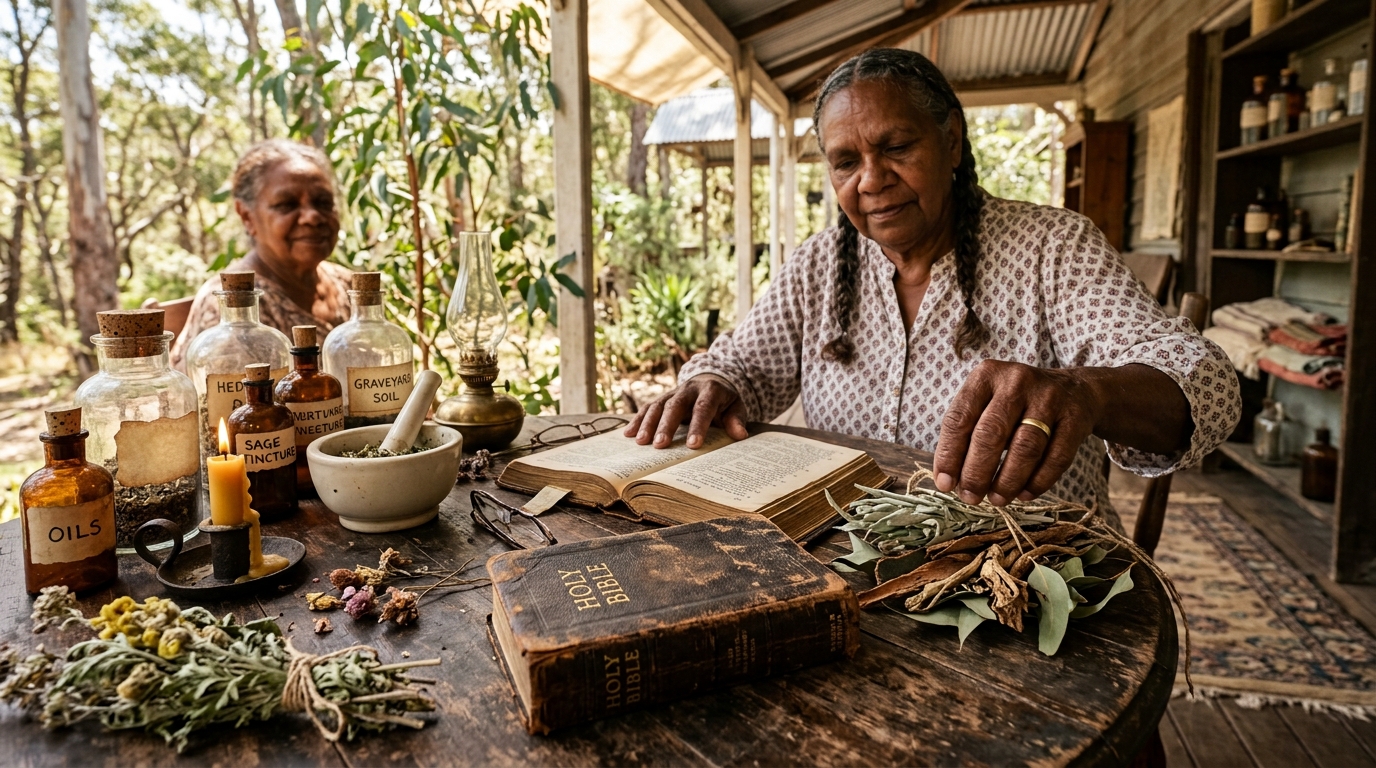
A hoodoo love spell is a phrase that covers a lot of ground, and a lot of misunderstanding. Searches for it usually come from people who’ve heard that hoodoo is “strong,” “fast” or “authentic,” often after seeing a social media post or a shop selling oils, roots and candles. Some are genuinely curious about a folk tradition. Others are hurting, and looking for something that might work when nothing else has.
Hoodoo is a real and living tradition, with a deep history, and it deserves more than a sales pitch. It’s also a tradition that has been widely borrowed, repackaged and sold, often by people with no connection to it. If you’re thinking about a hoodoo love spell, it’s worth knowing where it comes from, what it actually involves, what it can and can’t do, why respect matters and how to tell a knowledgeable source from a seller of false promises.
This guide is written for readers in Australia first and Europe second.
Key takeaways
- Hoodoo is an African American folk tradition, also called conjure or rootwork, with its own history, values and practices.
- No hoodoo spell can make a person love you or return. A ritual can help you feel focused and calm.
- Respect the tradition. Be wary of sellers who use “authentic hoodoo” as a sales line, and of anyone who promises results.
- Some hoodoo love work aims to control another person. Many modern practitioners advise caution about that.

What hoodoo is
Hoodoo, also called conjure or rootwork, is a body of African American folk practice that developed in the American South from the era of slavery onward. Scholars describe it as drawing on West and Central African spiritual traditions, European folk magic and Native American plant knowledge, shaped by the experience of enslaved and later segregated Black communities. It’s a practical tradition, concerned with luck, protection, work, money, health, justice and love.
Its tools include roots, herbs, oils, candles, written petitions, personal items, jars, bags and the use of Bible passages, especially the Psalms. Early collectors such as Harry Middleton Hyatt, who recorded interviews in the 1930s, and writers such as Zora Neale Hurston documented practitioners and their work. Hoodoo is sometimes confused with Vodou, a different religion with its own priesthood and rites. Hoodoo is generally described as a set of practices rather than a religion, and practitioners are often Christian.
What hoodoo love work typically involves
Love work in hoodoo covers a range. Some of it is gentle: sweetening jars to soften a situation, charm bags carried for luck in love, baths and washes for attracting affection, candles and prayers for a hoped-for meeting. Some of it is more forceful, such as work intended to keep a partner faithful, to draw a person back or to separate people. Traditional sources include many such recipes, and some modern practitioners reject the forceful kinds as ethically problematic.
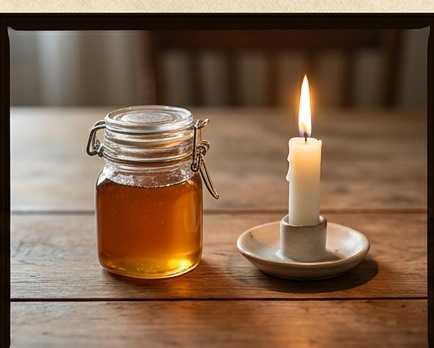
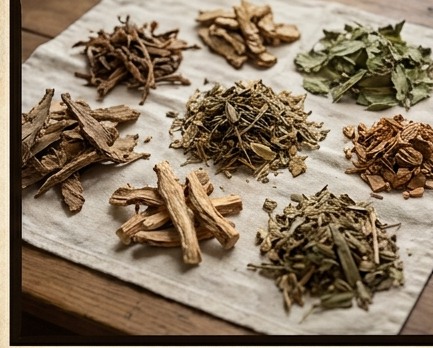
The ingredients vary. Common ones include honey, sugar, rose petals, lavender, cinnamon, certain roots, and personal items such as hair or clothing. The meaning of each ingredient is part of the folk knowledge. The page on a honey jar love spell explains one of the best-known examples and how people prepare it safely.
Respect and cultural context
Hoodoo grew out of Black American experience, and many practitioners and scholars are concerned about how it’s treated by outsiders. They point to a long history of commercialisation, of white-owned businesses selling hoodoo products, and of people using the term loosely to market anything with a candle or an oil. Whether you’re a practitioner or just curious, it helps to approach the tradition with respect.
In practical terms, that means learning from knowledgeable sources, preferably Black practitioners and scholars; being wary of sellers who claim secret powers; not treating hoodoo as a costume; and acknowledging where practices come from. It also means being honest with yourself about why you’re drawn to it. If you’re looking for a quick fix to a painful situation, a tradition built on history and community deserves better than to be used as a shortcut.
What a hoodoo love spell can and can’t do
A hoodoo ritual, like any ritual, can help you. Michael Norton and Francesca Gino’s 2014 research in the Journal of Experimental Psychology found that people who performed a ritual after a loss felt less grief and more sense of control. A structured practice, such as preparing a jar, writing a petition or saying a Psalm, gives your feelings a form, and that can be steadying.
What a ritual can’t do is change another person’s feelings. No evidence shows that hoodoo, or any other tradition, can make a specific person love, return or stay. Practitioners within the tradition often say as much, describing spiritual work as one part of effort that also includes practical action. Anyone who promises a guaranteed result is going beyond what any honest practitioner claims.
The controlling side of love work
Some traditional hoodoo recipes aim to dominate or command a person: to make a lover obey, stay or lose interest in others. These appear in historical collections, and they remain part of some practitioners’ repertoire. They also raise the ethical issue that runs through much love magic: the aim is to override someone’s will.
Many modern practitioners, including those within the tradition, advise against such work, or limit it. They argue that it violates consent, that it tends to produce unhappy relationships and that it can harm both people. If you’re considering anything that involves another person’s hair, photograph or belongings without their knowledge, ask yourself whether you’d be comfortable if they knew. The guide on love spells with hair and photos goes through the consent issue, and the page on whether love spells cause bad karma looks at the ethical traditions.
Roots, herbs and safety
Hoodoo uses many plants, and some are unfamiliar. Treat them with the care you’d give any plant material. Don’t ingest roots, herbs or oils unless you know they’re safe for that purpose. Some plants sold for ritual use are toxic, allergenic or unsafe in pregnancy. Keep ingredients away from children and pets, and be careful with essential oils around cats. If you have a medical condition or take medication, ask a pharmacist before using anything beyond a symbolic amount.
Candles carry fire risk. Use a heatproof holder, keep it away from curtains, paper and dried herbs, and never leave a flame unattended. In Australia, check for fire bans before lighting anything outdoors. The guide to love spells at home versus a spell caster covers safe setup in more detail.
Psalms, prayer and the Christian element
An aspect of hoodoo that often surprises newcomers is its use of the Bible. Many practitioners work with specific Psalms, reading them aloud or writing them on paper as part of a ritual. This reflects the fact that hoodoo developed in a deeply Christian context, and many practitioners see their work as consistent with their faith.
If you come from a faith that regards magic as forbidden, or if your family does, that’s worth respecting and thinking about before you proceed. If you hold a faith of your own, you may find that prayer or meditation within it gives you the same sense of focus and comfort. There’s nothing wrong with choosing that over a ritual that conflicts with your beliefs.
A simple hoodoo-inspired ritual for your own steadiness
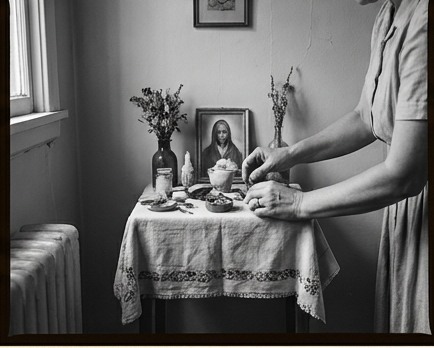
If you’d like to try something inspired by the tradition, keep it simple and respectful. Choose a quiet evening. Write a short petition on paper, using plain words about what you hope for yourself: calm, patience, an open heart. If you’re comfortable with it, add a line from a Psalm that gives you comfort. Place the paper in a clean jar with a spoonful of honey and a few rose petals, close the lid and hold it for a moment.
Light a candle beside the jar, on a heatproof surface, and stay with it for a short while before putting it out. Keep the jar somewhere safe. Write one real-world action for the week, such as seeing a friend or sending a kind message, and do it. This keeps the ritual about your own intention and leaves another person’s will alone.
A short history that helps you read the sales pages
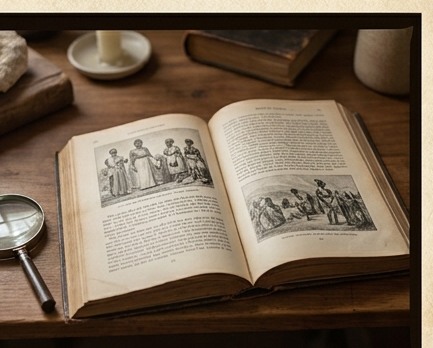
Scholars such as Yvonne Chireau, in Black Magic: Religion and the African American Conjuring Tradition, and Katrina Hazzard-Donald, in Mojo Workin’, describe conjure as a way Black communities handled power, danger and hope in conditions of severe oppression. Practitioners were respected figures, called on for healing, protection and help with disputes as well as love. When Black Americans moved north and west in the Great Migration of the twentieth century, the practices travelled with them, and a trade in oils, roots and candles grew up around them.
That history matters when you read a modern sales page. Much of what’s sold today is a commercial descendant of that trade, and some of it is thoughtful and some is not. Knowing that the tradition is rooted in community, faith and survival makes it easier to spot sellers who use the language of hoodoo without any of its substance, and to treat the tradition itself with the seriousness it deserves.
Common terms explained
A few words come up often. A “sweetening” is work meant to soften a person’s attitude or a situation, usually with honey or sugar. A “mojo bag” is a small cloth bag holding ingredients chosen for a purpose, carried or kept somewhere private. A “petition” is a written request, often placed under a candle or inside a jar. “Dressing” a candle means anointing it with oil. “Rootwork” refers to work with roots and herbs. A “root doctor” or “conjure worker” is a practitioner.
Some terms are used differently by different practitioners, and some sellers use them loosely. If a page throws a lot of unfamiliar terms at you in a way that feels designed to impress, slow down. A good source defines its words and explains what each step is for.
Hoodoo compared with Wicca and other folk magic
People often confuse hoodoo with other traditions. Wicca is a modern religion that emerged in the twentieth century, with its own ethics, including “harm none,” and its own calendar and rites. Hoodoo isn’t a religion, and it doesn’t follow a single set of ethical rules, though practitioners have their own codes. European folk magic has its own charms, many of them linked to saints’ days, herbs and household customs. Vodou and related African diaspora religions have priesthoods, initiations and spirits.
These differences matter because instructions from one tradition don’t always carry over to another, and mixing them without understanding can produce practices that make little sense to anyone from the originating tradition. If you want to work within a tradition, learn its own rules rather than blending recipes from a dozen sites.
A worked example: choosing respectful curiosity over a quick fix
Imagine Alicia, who’s been left by her partner and finds a hoodoo shop online promising a “powerful return spell” for a high price. She feels the tug of hope, and then pauses. She reads about the tradition, learns that it’s a living practice with a history, and notices that the shop doesn’t explain any of it. It makes a guarantee, uses urgent language and offers add-ons.
She decides not to buy. Instead she finds a library book on conjure traditions, reads a bit about sweetening practices and makes a simple honey jar for her own calm, with a petition asking for patience and an open heart. She lights a candle safely, writes one action for the week, and starts seeing a counsellor. A month later she’s sleeping better and hasn’t spent hundreds of dollars. She’s also learned something interesting about a tradition she knew little about. Whether or not her ex ever returns, she has treated herself and the tradition with care.
If you want to get someone back
This is a common reason to search. Be honest with yourself about what a ritual can do. If the relationship ended, the useful steps are human ones: give space, reflect on what went wrong, and, if it feels right after some time, send one warm, low-pressure message. The guide to the no contact rule explains how long to wait, and the page on whether reconciliation spells work covers what rituals can and can’t do after a breakup.
Respect the answer you get. Persistent unwanted contact can amount to harassment or stalking in Australia, the UK and most of Europe. If someone has asked you to stop, stop. Relationships Australia (1300 364 277) offers counselling, and Lifeline (13 11 14) is open at any hour.
How to judge a hoodoo practitioner or shop
If you decide to buy from or consult a practitioner, take your time. Look for someone who explains the tradition, answers questions and is open about prices. Look for plain statements that no result can be guaranteed. Be wary of “secret” methods, claims of unusual lineage used as pressure, urgency or fear, large upfront fees and repeated requests for more money.
Ask a few direct questions. What exactly will you do? What does it cost in total? What happens if nothing changes? Can I decline anything? A practitioner worth your time will answer clearly and respect a no. The guide to spell caster scams in Australia lists the warning signs.
Learning more without buying anything
If the tradition interests you, there are inexpensive ways to learn. Public libraries often hold books on African American folklore and conjure. University presses have published scholarly studies, and some include extracts from interviews with practitioners. Museums and cultural centres occasionally run talks. Reading widely lets you see how practitioners themselves describe their work, which is a good test of any sales page.
Take your time, and keep a sceptical eye on sources that promise secret knowledge for a fee. A tradition built on community knowledge rarely locks its basics behind an expensive course. If you do pay for teaching, ask who the teacher learned from, what you’ll cover and what you’ll be able to do afterwards, and be comfortable with the answers.
What a consultation with Baba Ali involves
If you want to talk with a practitioner on this site, you start by sending your situation through the secure form on the contact page. Baba Ali reads it and talks with you about what is going on and what you hope for. He then advises whether spiritual work fits and what it would include. The how it works page sets out the stages: consultation, preparation of ritual materials, the ritual itself, then updates through a private client portal.
It’s reasonable to ask what each stage covers and costs, and to be told plainly that no outcome can be promised. You can always say no. The page on a love spell caster in Australia explains how remote sessions work.
Mistakes people make with hoodoo love spells
A few errors come up again and again. Treating hoodoo as a quick fix. Buying expensive kits from sellers who use “authentic” as a sales line. Using another person’s belongings without their knowledge. Burning candles unattended. Using roots or herbs without checking they’re safe. Ignoring the tradition’s cultural context. Expecting a guaranteed result. And paying again and again when nothing changes.
The alternative is slower and more respectful: learn about the tradition, keep rituals simple and safe, keep them about your own intention and pair them with real action.
Looking after yourself
If you’re turning to ritual because you’re hurting, look after the basics. Keep regular sleep and meals. Move your body. See friends and family. Avoid using alcohol to numb the pain. If you can’t stop thinking about someone, if you feel low most days or if you’re thinking of harming yourself, talk to someone. Lifeline (13 11 14) is open at any hour, Beyond Blue (1300 224 636) offers mental health support, and MensLine Australia (1300 78 99 78) supports men. In the UK, Samaritans (116 123) is available at any hour. If you have thoughts of harming yourself, call Lifeline or 000 right away.
Scam warning signs
“Authentic hoodoo” is a common sales hook. Be wary of guarantees such as “she’ll return in three days,” large upfront fees, repeated requests for more money to “strengthen” the work, claims that a curse or a rival is blocking you and threats of bad luck if you stop. A genuine practitioner explains what they do and what they can’t promise.
In Australia, Scamwatch, run by the ACCC, publishes current scam information and takes reports, and your bank may help if you act quickly. Before you pay anyone, write down what you’ve been promised and what happens if nothing changes.

If you live in the UK or elsewhere in Europe
The same points apply. Hoodoo has spread widely through books, shops and online communities, and the same cautions about respect and sellers apply. European folk traditions have their own love charms, and many people feel more connected to those. Relate offers counselling in the UK, and Samaritans (116 123) is there at any hour. Persistent unwanted contact is an offence in the UK and most of Europe. Remote consultations work across time zones.
Frequently asked questions
What is a hoodoo love spell?
It’s a ritual from African American folk tradition aimed at love, such as a sweetening jar, a charm bag, a candle or a prayer. Practices vary widely by practitioner and region.
Do hoodoo love spells work?
No evidence shows that any spell can change another person’s feelings. A ritual can help you feel calmer and more focused, which may change how you act.
Is hoodoo the same as Vodou?
No. Hoodoo is generally described as a set of folk practices, and Vodou is a distinct religion with its own priesthood and rites. They’re sometimes confused, but they’re different.
Is it okay for non-Black people to practise hoodoo?
Views differ. Many practitioners welcome respectful learners, and others are concerned about appropriation and commercialisation. Learn from knowledgeable sources and approach it with respect.
Are hoodoo love spells safe?
They can be, with care. Use candles safely, avoid ingesting roots or oils and keep ingredients away from children and pets. Be cautious about work that targets another person without their knowledge.
How do I avoid scams?
Be wary of guarantees, urgency, big upfront fees and repeated requests for more money. Check Scamwatch, and ask clear questions about what you’re buying.
Where can I get support?
Lifeline (13 11 14), Relationships Australia (1300 364 277) and MensLine Australia (1300 78 99 78) offer support. In the UK, Samaritans (116 123) and Relate help.
Can I learn hoodoo from books?
You can learn about it from books, and many people start there. Practice within the tradition is often passed on through relationships with practitioners, so books are best treated as an introduction.
Why do some hoodoo spells use Bible Psalms?
Because hoodoo developed in a Christian context, and many practitioners see Psalms as a source of power and comfort. If that doesn’t fit your beliefs, you can choose a different focus for your ritual.
Is it disrespectful to buy a hoodoo product if I’m not a practitioner?
Not necessarily. Many Black-owned and practitioner-run shops welcome customers. The concern is mainly about sellers who exploit the tradition’s name without understanding it, and about treating it as a novelty. Buy from sources that are open about who they are and where their knowledge comes from.
Do hoodoo spells work faster than other kinds?
No evidence supports that claim. Statements about speed or strength are sales language. A ritual’s effect on you is the same whatever tradition it comes from.
Is a hoodoo love spell safe to do at home?
It can be if you keep it simple: use candles carefully, avoid ingesting roots or oils, and keep the work focused on your own intention. If a recipe involves unfamiliar plants or another person’s belongings, think twice.
Your next step
If you want to talk through your situation in private, you can start a confidential consultation through the contact page. You can also browse the other services, or read how the site writes and checks its guides in the editorial standards. A hoodoo love spell is best approached with respect and treated as a ritual for your own steadiness, not a promise. If you’re struggling, call Lifeline on 13 11 14 in Australia or Samaritans on 116 123 in the UK.