Reconciliation spell ingredients are the herbs, candles, oils, stones and other small objects that traditional practitioners use when they try to heal a rift. If you’re reading up on them, you’ve probably seen long lists with confident claims: this herb “restores trust”, that stone “draws back a lover”. It’s worth knowing where those claims come from, what they mean, which ones are just symbolism, and how to handle the materials safely.
Here’s the short version. The ingredients work as symbols and as sensory anchors. A sprig of rosemary, long associated with remembrance, reminds you what you’re hoping to remember. A pink candle stands for affection, and lighting it gives a moment of focus. None of them has a chemical effect on another person’s feelings, and none is essential. The power claimed for them is meaning, attention and intention, and that’s still useful, as long as the list isn’t used to upsell you on “rare” items.
This guide is written for readers in Australia first and Europe second. It explains what each common ingredient traditionally stands for, how to choose and use them safely at home, which habits to avoid, how to think about cost and sourcing, and how ingredients fit into a consultation. Few said anything about safety, ethics or what matters more than the list.
Key takeaways
- Ingredients are symbols and sensory anchors. Their meanings come from tradition, not from measurable effects on another person.
- Nothing on a list is essential, and “rare” or “special” ingredients sold at high prices are a common upsell.
- Safety matters: supervise candles, patch-test oils, keep materials away from pets and children, and never eat or drink ritual herbs.
- You should never need an item taken from another person, such as hair or belongings.
What “ingredients” really are in this kind of work
In reconciliation rituals, the materials serve three purposes. They carry symbolic meaning, such as sweetness, remembrance, calm or forgiveness. They engage the senses, through scent, colour, texture and flame, which helps the mind settle. And they give the ritual a physical shape, so it feels like an act rather than just a thought.
That’s consistent with what psychologists have found about rituals in general. Norton and Gino, in a 2014 paper in the Journal of Experimental Psychology, found that performing a ritual after a loss helped people feel less anxious and more in control. The study didn’t test herbs or spells, and it can’t tell us whether a given ingredient influences anyone else. It does suggest that structured, symbolic acts can steady the person doing them, and the materials are part of what makes an act feel meaningful.
So when a list says that a herb “brings back a lover”, read it as “traditionally associated with love” and judge it on those terms. You’ll be harder to mislead and easier to satisfy.
What reconciliation spell ingredients can and can’t do
Ingredients can help you feel focused and calm, and they can make a ritual feel worth doing. They can give you an object to hold while you think about what you want to say to someone. They can mark a moment, which is useful when you’re trying to shift from anger to openness.
They can’t change another person’s feelings, compel contact or fix a problem that needs a conversation. A reconciliation is made of apology, listening and time. The guide on whether reconciliation spells work goes through the evidence and the limits in detail. If a list of ingredients comes with a promise of results, that promise is where to be careful.
How the traditional meanings work
Most ingredient lists rely on correspondences, which are associations built up over generations. A herb is linked to a quality because of its smell, appearance, use or folklore. Rosemary stays green through winter and was used at weddings and funerals, so it came to stand for remembrance and fidelity. Lavender is calming in scent, so it’s linked to peace. Roses have stood for love for so long that the association is almost universal.
Different traditions assign different meanings. A herb that signifies love in one book may signify protection in another, and cultural sources vary widely. That isn’t a flaw. It shows that meaning is partly chosen by the person using it. If a particular ingredient speaks to you, it will serve its purpose. If a list tells you to use an ingredient that means nothing to you, you can leave it out.
Herbs commonly used for reconciliation
Below are some common herbs and what they’re traditionally said to stand for. These are cultural associations, not medical claims, and none should be eaten or applied to skin as part of a ritual.
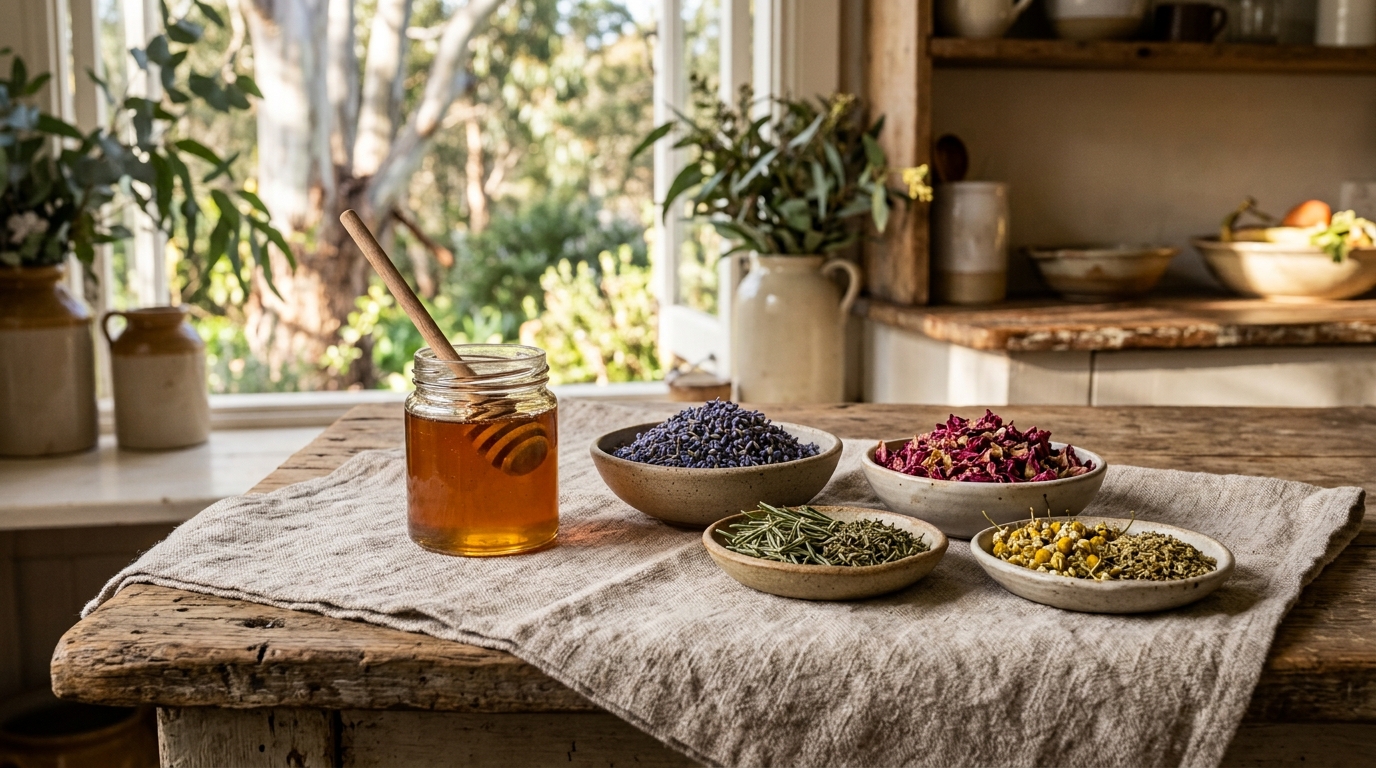
Rosemary is associated with remembrance and loyalty, and is often used when someone hopes to recall good times. Lavender stands for calm and peace and is used to soften tension. Chamomile is linked with ease and gentleness. Rose petals represent love and forgiveness, and are among the most widely used. Mint is associated with fresh starts and clear communication. Lemon balm has a long folk reputation for lifting heavy moods. Thyme is tied to courage. Basil, in some traditions, stands for harmony and goodwill.
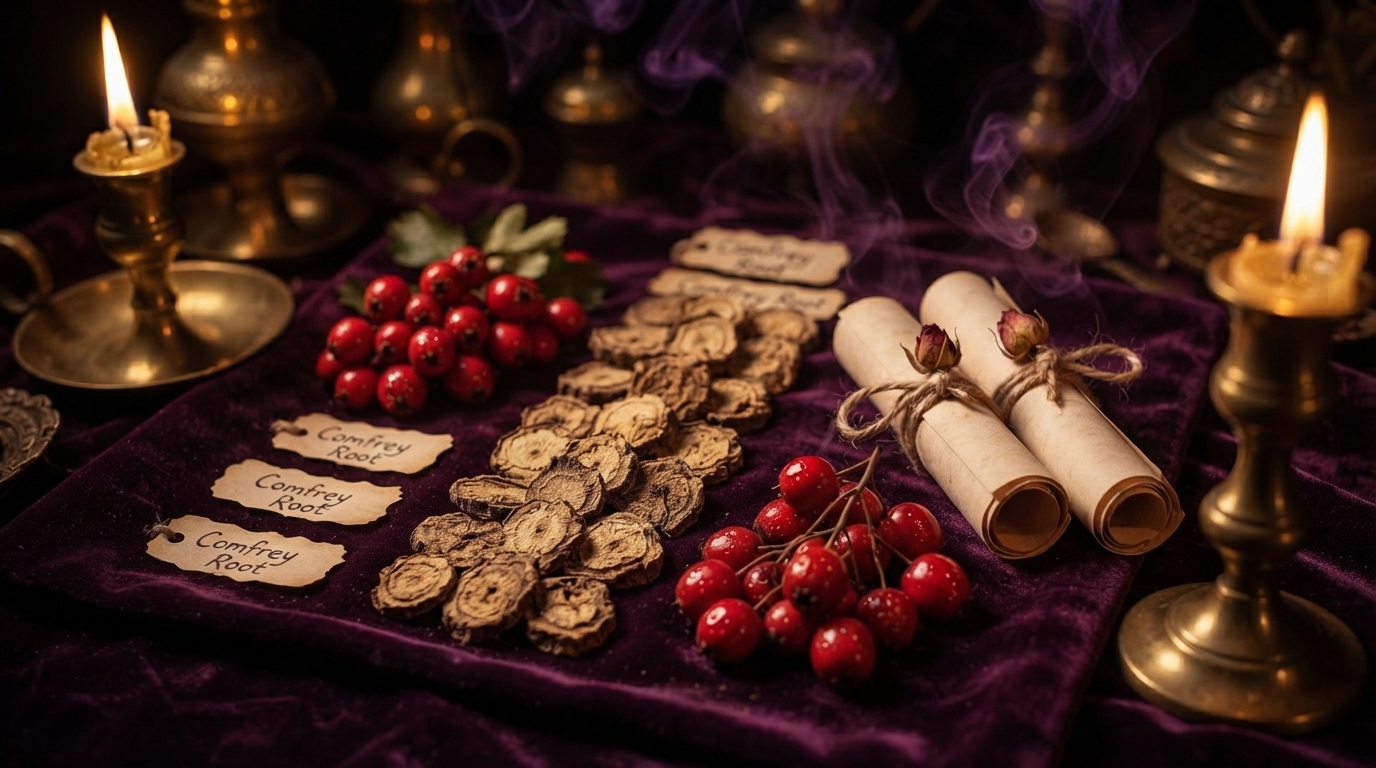
Comfrey has traditionally been called “knitbone”, which is why some folk practices use it to symbolise mending. It should never be eaten, because it can be harmful. Hawthorn, with its long association with the heart, sometimes appears in reconciliation work too. Many of these can be grown in an Australian garden or pot or bought dried, and most are cheap. That’s worth knowing when a seller claims a herb is scarce.
Choosing ingredients by what you want to feel
Rather than starting with a list, start with the feeling you’re after, then choose one or two materials that stand for it. If you want calm before a hard conversation, lavender or chamomile and a white candle make sense. If you’re trying to soften anger, rose petals or a little honey stand for gentleness. If you want to remember what was good, rosemary does that job. If you need courage to reach out, thyme or a red candle might speak to you. If you’re hoping for clear, honest communication, mint and a blue candle suit.
The fewer the better. A ritual with seven ingredients tends to turn into a shopping exercise, while one candle and one sprig keep your attention on what you’re doing. If you notice yourself worrying about getting the ingredients “right”, let that go. The right ingredient is the one that means something to you, and the most important part is what you do once the candle is out.
Keeping a simple ritual journal
A small notebook can make a ritual more useful. After each ritual, write the date, what you used and what you hoped for. Over the following days, note what you actually did: who you contacted, what you said, how you felt. After a few weeks, read it back. You’ll see what has changed in you and in the situation, which is a more reliable guide than hunting for signs.
The journal also protects you from over-reading coincidence. If a message arrives the day after a ritual, it’s tempting to credit the ritual. Seeing your own record of ordinary ups and downs helps you keep a balanced view. And if nothing seems to change, it gives you a clear basis for deciding whether to continue, try something different or let go.
Candles and what their colours stand for
Candles are the most common ingredient because they’re easy to find and they give a focus for attention. Traditional colour meanings vary, but the ones below are widely used. White stands for peace, clarity and new beginnings. Pink represents affection, tenderness and friendship. Red is associated with love, passion and commitment. Green is linked with healing and growth. Blue stands for calm and honest communication. Yellow or gold represent warmth and optimism.
For reconciliation, people often choose white for peace, pink for gentleness and sometimes green for healing. One candle is enough. Quality matters less than meaning. Plain pillar, taper and tea light candles all work, and beeswax or soy candles burn cleanly. The page on marriage spell candles goes deeper into colours and how they’re used in rituals, and the guide to candle spells to get an ex back covers the most common routines and their limits.
Oils, waters and scents
Oils and scented waters add a sensory layer. Rose water and lavender water are common, as are essential oils such as rose, lavender and sweet orange. Some people dab a little oil on a candle base or a piece of paper, or place a few drops in a diffuser.
A few cautions apply. Essential oils are concentrated and can irritate skin, so never apply them undiluted, and do a patch test if you’re going to use them on skin at all. Some oils are harmful to pets, particularly cats and birds, so check before diffusing. Avoid oils if anyone in the house has asthma or is pregnant, unless a health professional has said it’s fine. Never swallow ritual oils or waters. If in doubt, use a fragrance-free ritual and let another ingredient carry the meaning.
Honey, sugar and sweetening rituals
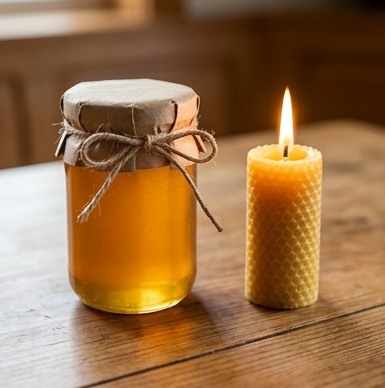
Sweetening is an old idea: use something sweet to soften a relationship, in the way the phrase “sweet talk” suggests. A small jar of honey or sugar, with a written wish for gentler communication, is a common form. The honey is a symbol, and the act is a reminder to speak kindly.
Keep it practical. Honey and sugar attract ants, so seal the jar. Don’t leave open jars outdoors where they can attract wildlife. Label the jar so it doesn’t end up in the kitchen by accident. When the ritual is finished, you can dispose of the contents respectfully or simply use the honey in tea and let the intention end there. The guide to honey jar love spells describes how these are traditionally made and used.
Stones and crystals
Rose quartz is the most common stone for love and reconciliation, associated with gentleness and affection. Others, such as amethyst for calm and clear quartz for clarity, appear in lists too. There’s no scientific evidence that stones affect relationships, but many people find a smooth stone in the palm is a useful anchor during a ritual or a difficult conversation.
Treat stones as optional. A stone you already own, or one picked up on a beach, will serve as well as an expensive one. Be wary of sellers who claim a particular crystal has been “charged” or is rare and worth a high price, because those are classic upsells.
Cloth, cord, paper and wax
Many rituals use simple craft materials. A piece of pink or white cloth can wrap a herb bundle. A cord or thread, often red or pink, may be tied with a knot as a symbol of a bond. Paper carries a written wish or an unsent letter. Wax seals close a message or a bundle.
Written words are among the most useful elements. Writing down what you’re hoping for, and what you’re prepared to do, clarifies your thinking. A letter to the person you want to reconcile with, which you don’t send, can help you say things safely. If you do write to them, keep it brief and kind. The page on binding spells for marriage explains where knots and cords move from symbolism into control, which is the line to avoid.
Shells, bones and natural objects
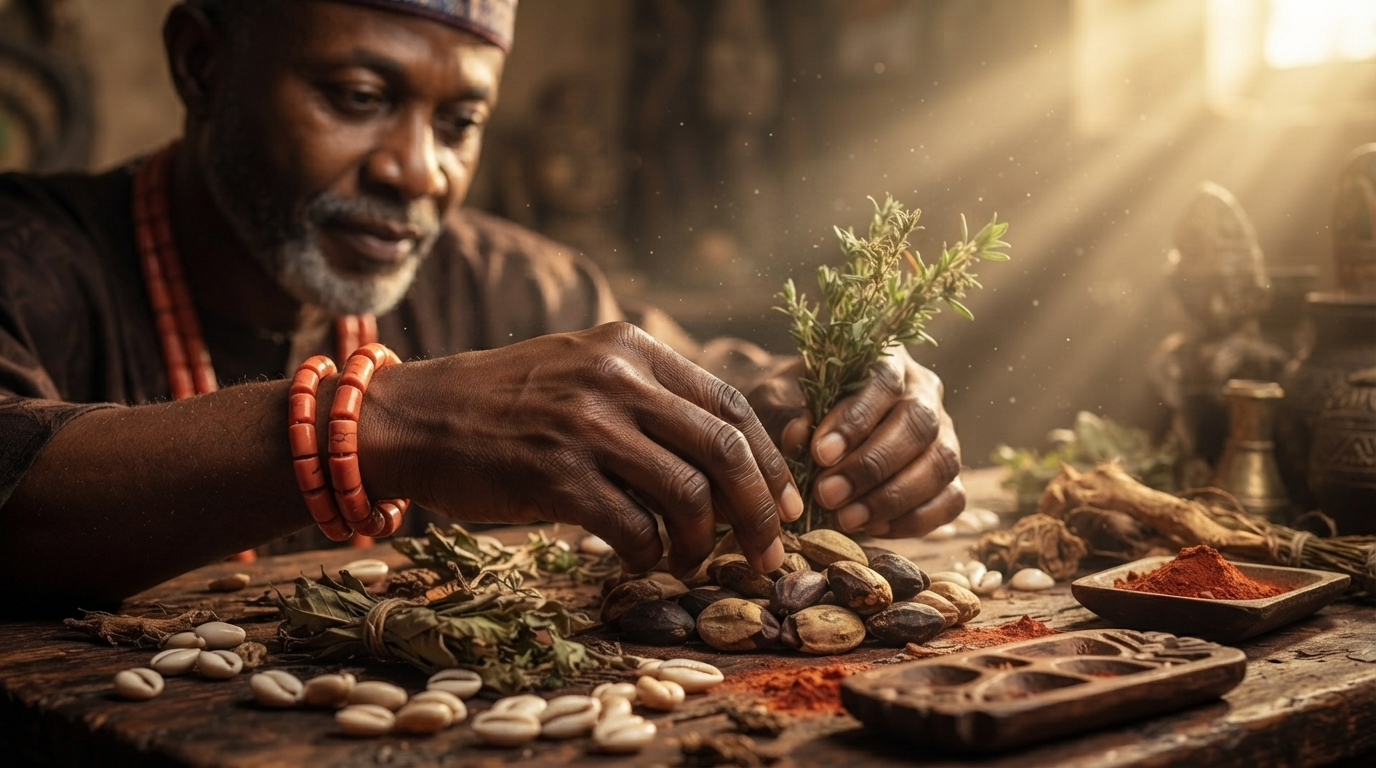
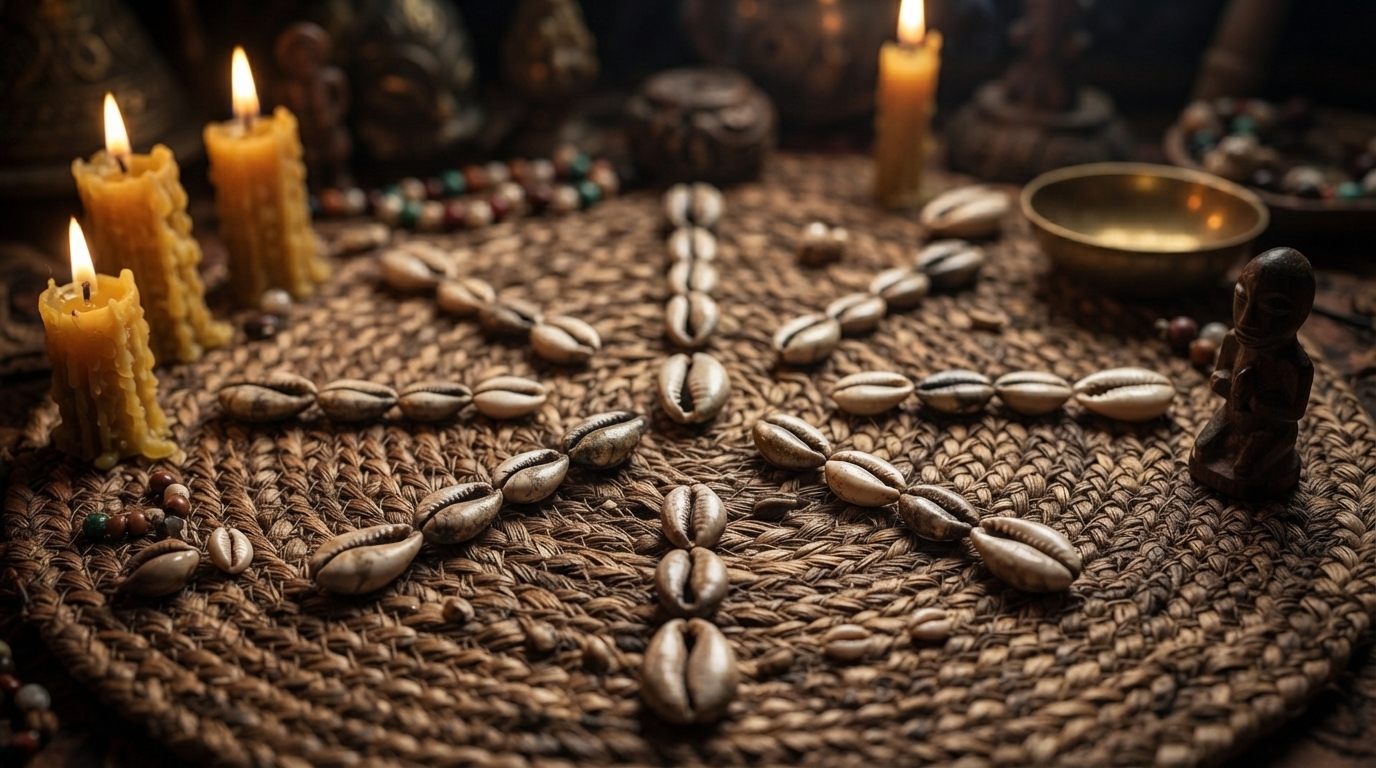
Natural objects such as shells, feathers, seeds and driftwood appear in many traditions. Cowrie shells, for example, have long been used in parts of Africa and the Indian Ocean world in trade, adornment and divination, and they carry associations with fertility, protection and prosperity. Using a shell you’ve found, or one with personal meaning, is more authentic than buying one sold as sacred.
Respect the source. Don’t take shells or plants from protected areas. In Australia, removing plants, shells or other material from national parks and many coastal reserves is prohibited, so check local rules before collecting. Never use animal parts unless you’re sure of their legal and ethical sourcing. A ritual can be just as meaningful with a stone from your garden.
Smoke, incense and cultural respect
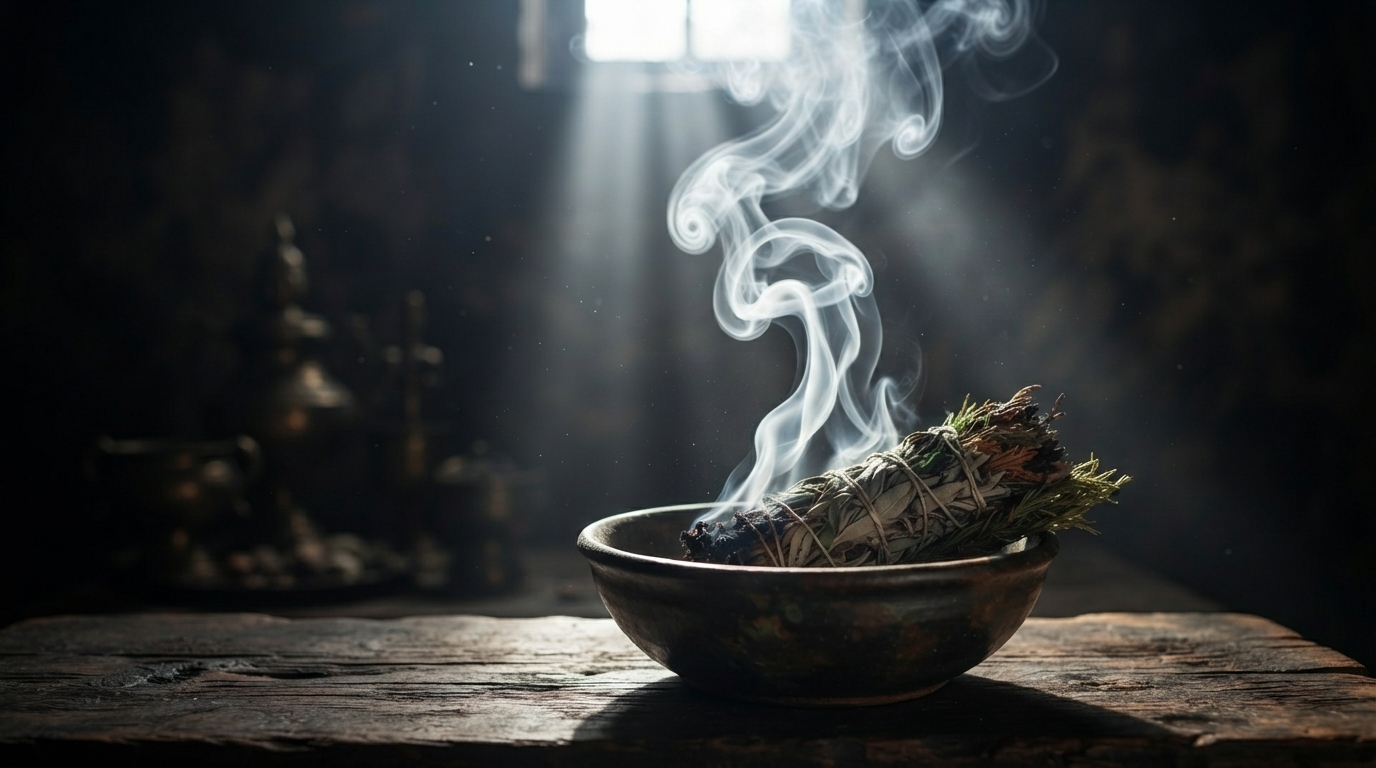
Burning herbs or incense is a common part of ritual, for scent and atmosphere. If you do it, keep the space ventilated, and avoid it entirely if someone in the home has asthma, breathing difficulties or a baby. Never leave burning material unattended, and use a heatproof dish.
Two points about respect. White sage is used in some Native American traditions and has been over-harvested, so many people choose alternatives such as rosemary or local herbs. And in Australia, smoking ceremonies are a significant cultural practice of Aboriginal and Torres Strait Islander peoples, so it’s respectful not to imitate them or borrow the name. You can achieve a calm atmosphere with simpler means: fresh air, a clean room and a single candle.
Ingredients from an Australian garden or pantry
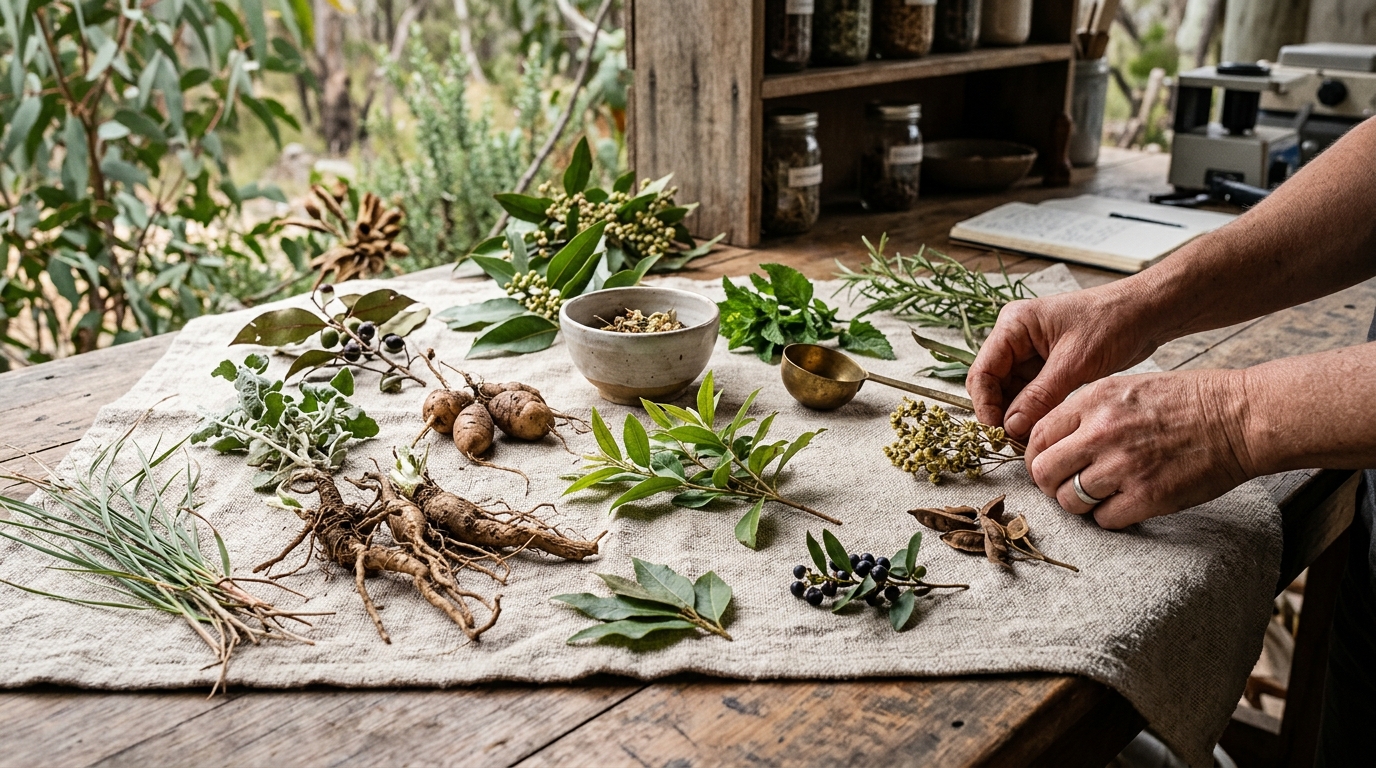
You don’t need to order anything online. Many common Australian garden plants carry traditional associations that suit reconciliation: rosemary for remembrance, lavender for calm, mint for fresh starts and roses for love and forgiveness. Lemon myrtle and eucalyptus leaves have a clean scent that many people associate with clearing the air.
Pick responsibly. Take small amounts from your own garden, or from a neighbour with permission. Don’t harvest native plants from bushland or parks. If you’re buying, local nurseries, markets and herb suppliers are usually cheaper and fresher than online ritual shops. A single sprig, used with intention, is enough.
Safety checklist before you begin
A little care keeps a ritual pleasant. Never leave a candle unattended, and keep flames away from curtains, paper and children. Put candles on a heatproof surface. On days of total fire ban in Australia, which can apply to open flames outdoors, don’t burn anything outside, and check local fire authority guidance.
Keep herbs, oils and stones away from pets and small children, because some plants and oils are toxic if eaten or licked. Never ingest ritual herbs, oils or waters unless you’re certain they’re food-safe. Do a patch test for any oil on skin. Open a window when burning anything. If anyone in your household has asthma, allergies or is pregnant, pick low-scent or fragrance-free options.
And keep your expectations in proportion. A ritual is a quiet moment, not a fix. If your emotions are heavy, talk to someone too, and keep Lifeline on 13 11 14 in mind.
What you should never need
The items on any list should be things you can buy, grow or find yourself. You should never be told you need an object taken from another person, such as hair, nail clippings, clothing, a photograph or a private message. Taking items without someone’s knowledge breaks trust, and it raises ethical and sometimes legal issues.
A ritual for reconciliation doesn’t require anything from the other person, because its aim is your own calm and intention. If a practitioner or a website insists that you obtain personal items from someone who hasn’t agreed, step away. It’s a sign that the work is aimed at controlling another adult, which is the kind of claim covered in the page on whether love spells can backfire.
A simple reconciliation ritual with household ingredients
Here’s a plain ritual that uses things you probably have. Choose a quiet time. Clean a small table and put on it a white or pink candle, a sprig of rosemary or lavender if you have one, a cup of water and a piece of paper with a pen.
Sit and light the candle. On the paper, write what you hope for in the relationship, such as honest conversation, forgiveness or peace, and what you’re willing to do, for example to listen and apologise where needed. Hold the herb for a moment and think about what you want to remember from the good times. Then say aloud a simple intention, such as “May I speak with kindness and be open to peace.”
Let the candle burn for a while, supervised, then put it out. Fold the paper and keep it somewhere private. Write one small action for the week, such as sending a brief, kind message, and do it. The herb and candle are there to help you pay attention. The action is what moves things.
Cost, sourcing and the upsell
Ritual ingredients are cheap. A candle, a few herbs and a stone cost a few dollars. If you’re told that you need a “rare” root, a “charged” crystal or a “special oil” that costs hundreds, it’s almost certainly an upsell. Ask what the item is, where it comes from and why a cheaper alternative wouldn’t work.
Be cautious, too, of ingredient kits sold with promises of results. A kit can be a convenient way to get started, but it shouldn’t come with guarantees. Compare prices with what you’d pay at a garden centre or supermarket. A practitioner who is open about what materials are used and why is behaving very differently from one who is vague and pushes you to buy more.
What matters more than the ingredients
The things that decide whether a reconciliation happens aren’t on any list. They’re whether both people want it, whether the original problem is addressed, whether apologies are sincere, and whether trust is rebuilt through behaviour. Ingredients can support a person through that process, but they can’t stand in for it.
If you want to reconcile, start with the human steps. Think about what you’d say if you had the chance. Decide what you’re prepared to change. Make one kind, brief contact and leave space for a reply. The guide to the no contact rule explains how space can help and when to reach out. A candle and a sprig of rosemary can help you stay calm while you do that.
How materials are handled in a consultation
On this site’s how it works page, the stages are a consultation, preparation of sacred materials such as herbs, oils and ritual items, the casting of the ritual, and progress updates through a private client portal. To begin, you send your story through the secure form on the contact page, and Baba Ali talks with you about your situation before advising whether spiritual work is appropriate.
It’s reasonable to ask which materials would be used, what they’re for and what they cost, and to expect a plain answer and an honest statement that no result can be promised. For the wider picture of how remote consultations run for Australian clients, see the page on a love spell caster in Australia.
Scam warning signs around ingredients
Ingredients are a common vehicle for scams, because buyers can’t judge the goods. Be wary of sellers who promise results, give a date, demand a large upfront payment, insist you need an expensive “rare” item, say a curse must be lifted with special materials or threaten bad luck if you stop paying. Be wary too of any request for personal items from another person.
In Australia, Scamwatch, run by the ACCC, publishes current scam information and takes reports, and your bank can sometimes help if you contact them quickly. The guide to spell caster scams in Australia lists the red flags. Before you pay, write down what you’ve been promised, what it costs and what happens if nothing changes.
If you live in the UK or elsewhere in Europe
European herbal and ritual traditions are rich, from kitchen-garden herbs used in folk customs to candles lit in churches for peace. Many of the herbs above grow across Europe, and most can be found cheaply in garden centres and markets. Foraging rules differ by country and region, and in some places picking wild plants is restricted, so check local regulations and avoid protected areas.
The safety points apply wherever you live: supervise candles, keep oils and herbs away from pets and children, and never eat ritual materials. In the UK, Relate offers relationship counselling if you’d like help with the human side of a reconciliation, and Samaritans (116 123) is there for anyone struggling. Readers in Britain can read about working with a love spell caster in the UK.
Looking after yourself while you wait
Waiting to hear from someone, or waiting to see whether a relationship can be mended, is hard. Keep your routines: sleep, meals, movement, friends. Don’t let your days revolve around checking for a reply. If the wait is taking a toll, talk to a friend or a counsellor, and call Lifeline on 13 11 14 if things feel heavy.
A simple evening routine can help: a cup of tea, a candle, a few minutes of writing and then bed. It doesn’t need to be a spell. It gives you a way to put the day down. Many people find that once they stop hunting for signs, they feel a little freer, and that freedom often shows in how they speak to others, including the person they hope to reconcile with.
Frequently asked questions
What are the most common reconciliation spell ingredients?
Herbs such as rosemary, lavender and rose petals, white or pink candles, honey, rose quartz, cord or cloth and paper for written wishes are the most common. None is essential, and all are cheap.
Do I need special or rare ingredients?
No. Anyone who says you do, and charges a lot for them, is likely upselling. Everyday herbs from a garden or supermarket serve the same symbolic purpose.
Do ingredients make a reconciliation more likely?
They can help you feel calmer and more focused, which may help you communicate better. They don’t change another person’s feelings, and no list can guarantee a reunion.
Is it safe to use herbs and oils in a ritual?
It can be, with care. Don’t eat or drink ritual materials, patch-test oils, keep them away from pets and children, supervise candles, and avoid smoke if anyone has asthma or breathing problems.
Do I need something belonging to the other person?
No, and you shouldn’t take anything from them without their knowledge. A ritual for reconciliation works from your own intention.
Can I pick herbs from the bush or a park?
Not in national parks or many reserves, where removing plants is prohibited. Use herbs from your garden, a neighbour with permission or a nursery.
What’s more important, the ingredients or the conversation?
The conversation. Reconciliation depends on honest talk, sincere apology and time. Ingredients can support your calm while you do that work.
Your next step
If you’d like to talk through your situation in private, you can start a confidential consultation through the contact page. You can also browse the other services, or read how the site writes and checks its guides in the editorial standards. Reconciliation spell ingredients are best understood as symbols that help you focus, not as a guarantee. If you’re struggling, call Lifeline on 13 11 14 in Australia or Samaritans on 116 123 in the UK.