Category: Understanding Voodoo

Cultural education about Vodou tradition, history, and authentic practice

  • The Ethics of Love Magic: Consent, Karma & Free Will

    The Ethics of Love Magic: Consent, Karma & Free Will

    A reunite with ex spell is one of the most sought-after Vodou rituals — this article explains how Baba Ali approaches reunion work and what conditions support success.

    How a Reunite With Ex Spell Repairs and Restores Love

    By Baba Ali | Category: Understanding Voodoo | 9 min read
    The ethical questions surrounding love magic are among the most important in the field of spiritual practice. I take these questions seriously — and I believe that understanding my ethical framework is essential to trusting my practice. This is my most complete statement of how I think about ethics in love spell work.

    The Central Ethical Question

    The fundamental ethical concern about love magic comes down to a single question: does directing spiritual energy toward another person’s romantic feelings violate their autonomy and free will?

    This is a genuine and serious question. It deserves a genuine and serious answer — not dismissal, and not a convenient “no” that sidesteps the complexity.

    My answer is nuanced: it depends on what the love magic is actually doing. And the honest assessment of what authentic Vodou love magic does — versus what it is often misunderstood to do — requires careful examination.

    What Authentic Love Magic Actually Does

    Authentic Vodou love magic, as I practice it, is not mind control. It does not implant feelings that do not exist. It does not override a person’s genuine choices or fundamental will. What it actually does:

    • Clears energetic blockages that are preventing existing feelings from being expressed. If someone genuinely loves you but is blocked from acting on that love by fear, past wounds, or spiritual interference — clearing those blockages allows their natural feelings to surface. This is not coercion; it is healing.
    • Amplifies existing connections. Love spell work works with genuine spiritual bonds that already exist. It strengthens what is real; it does not manufacture what is not.
    • Removes external interference. When third-party negative energy has damaged a relationship, removing that interference restores what was naturally present before the interference occurred. This is restorative, not imposing.
    • Creates spiritual conditions favorable to love. Like preparing soil for a seed that wants to grow — the love magic creates conditions. Whether love actually grows depends on the genuine soil (the people involved) and the genuine seed (the authentic feeling between them).

    Where the Ethics Gets Genuinely Complicated

    I want to be honest about where this gets more complex. There is a version of love magic that would be genuinely unethical: using spiritual force to make someone develop feelings they never had, or to prevent someone who has genuinely and finally chosen to leave from being able to make that choice freely.

    I do not perform this kind of work. And I am not sure any genuine practitioner does — because in my experience, this kind of work does not actually produce sustainable results. Manufactured feelings are not stable. A person whose will has been spiritually overridden returns to their natural position once the artificial force dissipates. What you create through genuine spiritual coercion is not a relationship; it is a temporary distortion that leaves everyone worse off.

    This is not just an ethical argument — it is a practical one.

    The Karma Question

    Many people ask whether love magic creates negative karma for the practitioner or the client. This is a real consideration in Vodou tradition, where the principle of spiritual reciprocity — that what you put into the world returns to you — is taken seriously.

    My view: love magic performed in alignment with genuine love, genuine existing connection, and genuine healing intention does not create negative karmic consequences. The intention and the alignment with natural spiritual forces is what determines the karmic quality of the work.

    Love magic performed with manipulative intent — designed to harm, to control, to override genuine free will — creates karmic consequences for both practitioner and client. This is one of the reasons I assess situations carefully before agreeing to perform work, and one of the reasons I decline requests that seem manipulative rather than genuinely loving.

    My Ethical Framework in Practice

    Before performing any love ritual, I assess:

    1. Does genuine love or genuine authentic connection exist between the parties? If not, I will not perform reunion or binding work.
    2. Is the requested outcome aligned with the natural spiritual direction of the situation? Work that goes against the fundamental spiritual truth of a situation tends not to produce good results and may create harm.
    3. Is there any indication that the request involves obsession, stalking behavior, or a desire to control rather than connect? These are conditions under which I decline to work.
    4. Is the situation one where spiritual healing would genuinely benefit both parties — not just the client? The best outcomes come from work that serves everyone involved.

    This framework sometimes means declining requests that clients very much want me to honor. I understand that this can be disappointing. But my ethical commitment to this practice is not negotiable, and clients who understand it typically respect it — and ultimately trust me more for it.

    Speak Directly with Baba Ali — Free Consultation

    If you have questions about whether your specific situation is ethically appropriate for spiritual love work, Baba Ali welcomes an honest conversation in a free consultation.

    Get Your Free Consultation →

    📞 (210) 651-2737  |  💬 WhatsApp  |  Available 24/7

    For more information on spiritual traditions, visit Britannica’s overview of Vodou — a reputable source on West African spiritual practices.
  • Sacred Materials Used in African Love Spells

    Sacred Materials Used in African Love Spells

    Love spell chants are sacred Vodou incantations that amplify your intention and communicate your desires to the spiritual realm — here’s how they work and why they matter.

    How Love Spell Chants Amplify Vodou Ritual Power

    By Baba Ali | Category: Understanding Voodoo | 8 min read
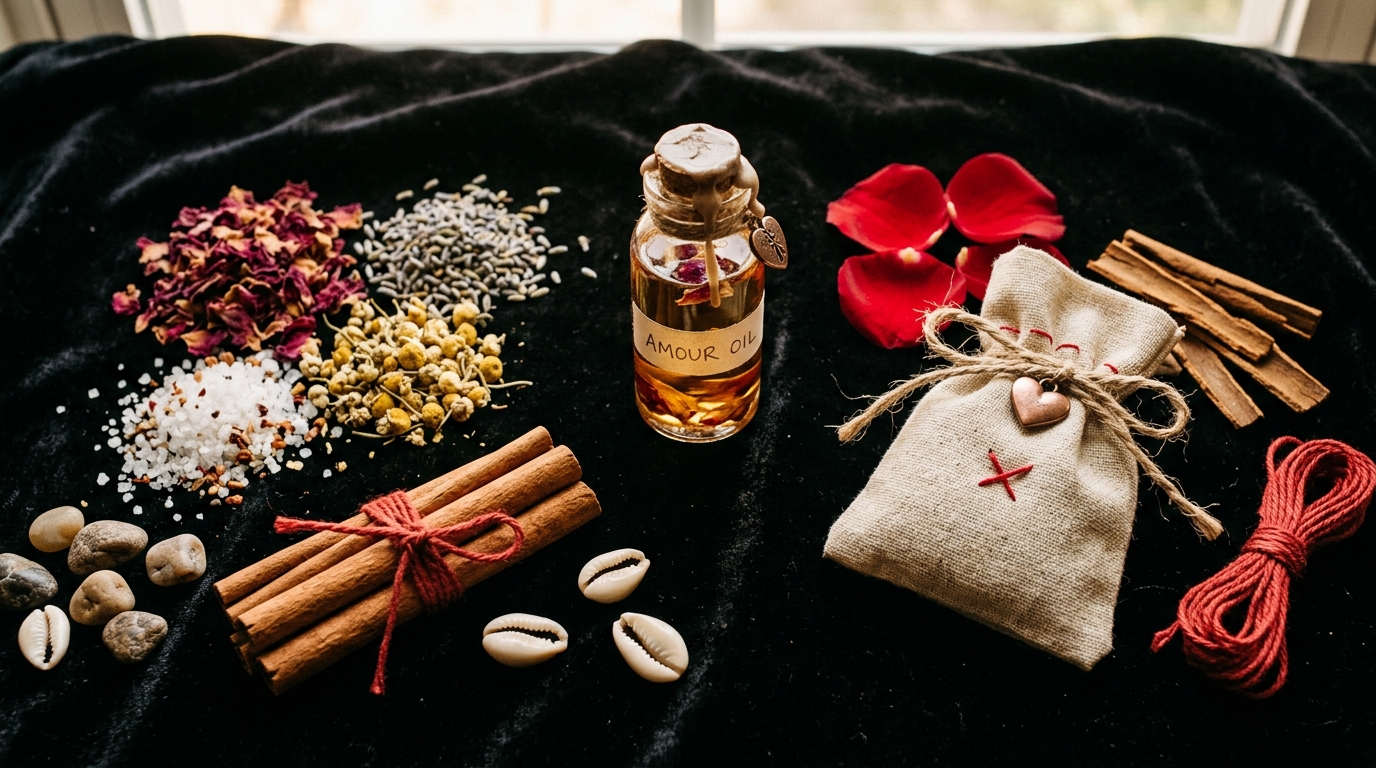
    The physical materials used in authentic African love spells are not props or theater. They are spiritually charged tools, each carrying specific energetic properties that have been understood and documented in the Vodou tradition for centuries. Understanding what these materials are and why they matter helps explain why authentic practice differs so fundamentally from generic online “spell kits.”

    Why Physical Materials Matter in Spiritual Work

    A foundational principle of Vodou cosmology is that the physical and spiritual worlds are not separate. They are two aspects of a single reality, each capable of affecting the other. Physical materials — properly selected, prepared, and used — serve as anchors that connect spiritual intention to physical reality. They give the spiritual work a material point of contact with the physical world.

    This is not symbolic in the casual sense of the word. In Vodou tradition, properly prepared sacred materials carry genuine spiritual charge. A candle that has been ritually consecrated is a different object than an identical candle that has not been. The preparation process — which involves specific prayers, offerings, and handling — transfers spiritual intention into the material object in a way that affects how the material works in ritual.

    Candles — The Primary Light of Love Work

    Candles are perhaps the most central material in love spell work. The flame represents the life force — the vital spiritual energy that animates all existence. In love work, candles serve as:

    • Carriers of intention — the candle burns your intention into the spiritual dimension as it burns in the physical.
    • Invitations to the Lwas — specific colors and preparations invite specific spiritual presences to the work.
    • Energy transmitters — the fire transforms the physical material into spiritual energy, releasing it into the ritual space.

    Key candle colors in love work: Red (passion, intense romantic love, physical desire), Pink (gentle romantic love, new romance, attraction), White (purity of intention, spiritual clarity, new beginnings), Gold (divine love, commitment, the blessing of Lwas).

    Sacred Herbs and Botanicals

    The plant kingdom holds specific spiritual properties in Vodou tradition that have been accumulated and documented over thousands of years. Key herbs in love work include:

    • Rose (Rosa spp.): The universal symbol of romantic love, carrying strong Erzulie Freda energy. Used in petals, rosewater, and rose oil for attraction and romantic connection work.
    • Jasmine (Jasminum officinale): Carries sensual, attractive energy. Used in reunion work and attraction rituals. Associated with drawing love from a distance.
    • Damiana (Turnera diffusa): One of the most powerful love herbs in the Vodou pharmacopoeia. Used in passion work and for drawing back lost lovers.
    • Cinnamon (Cinnamomum verum): Carries warming, attractive energy. Used to speed manifestation and add intensity to love work.
    • Vetiver (Chrysopogon zizanioides): Grounding and stabilizing energy. Used in commitment and marriage work to create stability in love.
    • Orange blossom: Associated with marriage, fidelity, and lasting commitment. Used extensively in marriage spell work.

    Sacred Oils — The Anointing Medium

    Ritual oils serve as the medium through which spiritual intention is transferred to other materials and to the practitioner’s own energetic field. In love work, oils are used to:

    • Anoint candles before burning, “loading” them with specific intention.
    • Prepare personal connection items (photographs, cloth) with specific spiritual charge.
    • Anoint the practitioner’s hands and body during ritual to align their energy with the work being performed.
    • Create “condition oils” — specific blends prepared for particular types of love work (attraction, reunion, passion) that carry the combined energetic properties of their ingredients.

    Personal Connection Items

    When available, personal items connecting the practitioner to the people involved in the work significantly amplify the ritual’s effectiveness. In Vodou tradition, personal effects — hair, photographs, handwriting, items of clothing, pieces of jewelry — carry the energetic signature of the person they belong to. Working with these items allows the ritual to target a specific individual’s spiritual field with far greater precision than symbolic representation alone.

    When clients ask about what they can provide for the work, I often mention photographs and any personal items they can supply. These are not required — many effective rituals are performed without them — but they are valuable when available.

    Why Sourcing Matters

    The source and preparation of materials affects their spiritual efficacy. Materials that have been grown, harvested, or prepared with specific spiritual intention carry different energetic properties than identical materials that have not been. This is why authentic practitioners who source materials carefully and prepare them through ritual process consistently produce better results than those using mass-market spell supply store products.

    I source my materials with care, from suppliers I trust, and I prepare every item used in ritual work through the appropriate consecration process. This level of care is part of what the consultation process reveals — and part of what differentiates authentic practice from theatrical performance.

    Speak Directly with Baba Ali — Free Consultation

    To learn what materials would be appropriate for your specific situation, contact Baba Ali for a free consultation.

    Get Your Free Consultation →

    📞 (210) 651-2737  |  💬 WhatsApp  |  Available 24/7

    For relationship advice and support, Psychology Today’s Relationships section offers expert guidance from licensed therapists worldwide.

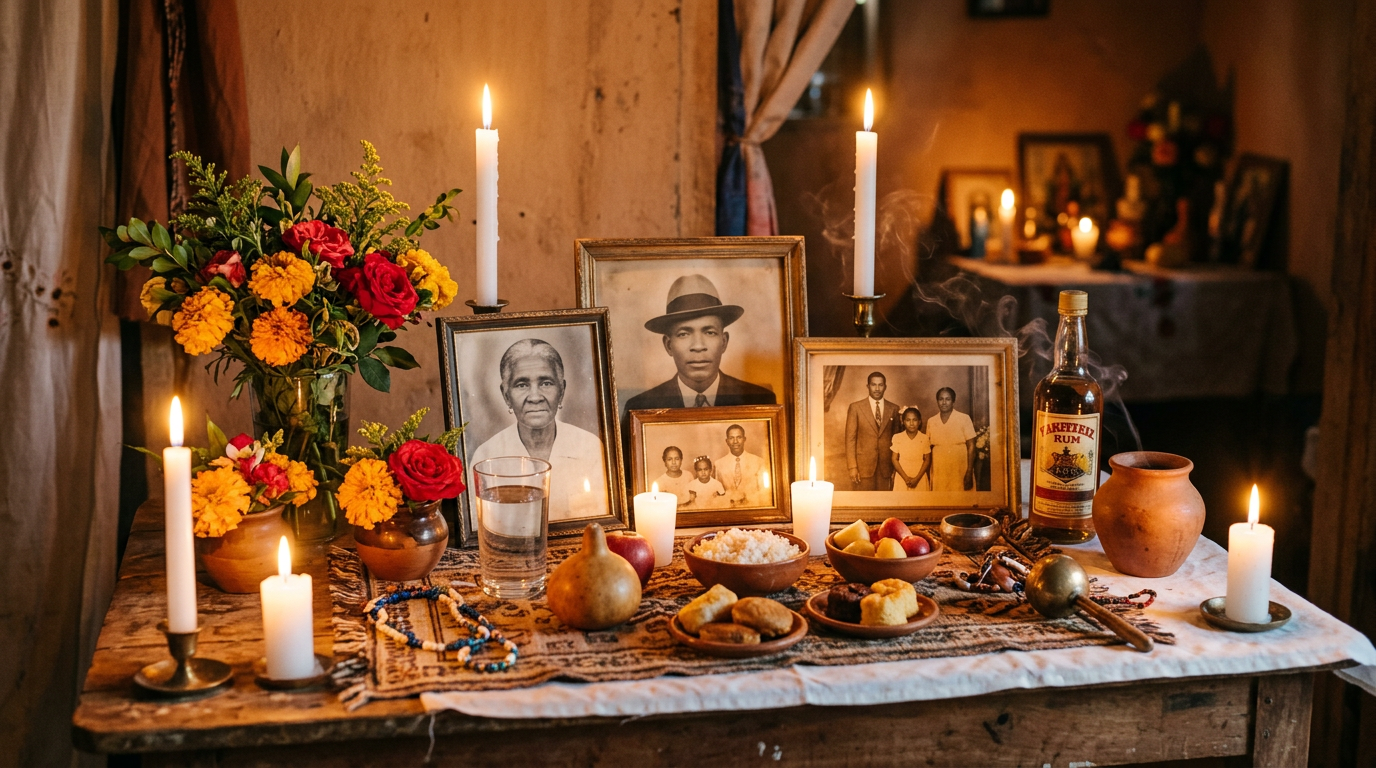
  • The Ancestors’ Role in Vodou Love Rituals

    The Ancestors’ Role in Vodou Love Rituals

    Learning how to cast a love spell safely requires understanding intention, timing, and the principles of Vodou — this guide covers what you need to know before you begin.

    How to Cast a Love Spell Safely Using Vodou Principles

    By Baba Ali | Category: Understanding Voodoo | 8 min read
    In authentic Vodou practice, the ancestors are not metaphor. They are active participants in spiritual work — particularly in matters of love and relationship, which have always been understood as having implications beyond the two individuals directly involved.

    Who Are the Ancestors in Vodou Tradition?

    In Vodou cosmology, death does not sever the relationship between the living and those who have passed. The ancestors — Les Morts — remain active presences in the spiritual world, capable of influencing events in the physical world, available to provide guidance and support, and deeply invested in the wellbeing of their living descendants.

    The ancestors include not only blood relatives but also the lineage of spiritual practitioners — the teachers, initiates, and tradition-bearers who passed their knowledge down across generations. For a practitioner like myself, the ancestors include those who trained me and those who trained them — a living chain of spiritual knowledge stretching back centuries.

    Why Ancestors Are Invoked in Love Work

    Love and family are among the domains where ancestral involvement is most natural and most powerful in Vodou tradition, for several reasons:

    • Ancestral investment in family continuity: Ancestors have a deep spiritual interest in the continuation and flourishing of their family lines. Love relationships that produce family — and the healing of broken relationships that affect family — naturally attract ancestral attention and support.
    • Pattern recognition: Ancestors can perceive relationship patterns that span generations — repeated dynamics of love and loss, unresolved karmic threads, and spiritual inheritances that affect living descendants’ love lives. Their perspective on the living’s love situations is informed by this broader view.
    • Energetic strength: The accumulated spiritual power of a strong ancestral lineage provides a powerful foundation for love ritual work. Rituals performed with strong ancestral support carry more spiritual weight than those performed without it.

    How Ancestor Invocation Works in Love Ritual

    In my practice, the ancestors are acknowledged and invited to participate in every significant ritual I perform. The invocation process involves:

    • Creating a sacred space that acknowledges both the living and the dead.
    • Offering specific foods, beverages, and other items that are meaningful to the ancestral lineage.
    • Speaking directly to the ancestors — explaining the purpose of the work, asking for their wisdom and support, and acknowledging their role in the work being performed.
    • Listening — creating space for ancestral guidance to come through in the form of intuitions, signs, and impressions that inform how the ritual should proceed.

    The Ancestor’s Perspective on Love Situations

    One of the most valuable aspects of ancestral involvement in love work is the broader perspective it brings. From my experience working with ancestral guidance over 30 years, I have repeatedly found that ancestors can identify:

    • Generational patterns in a client’s family that are influencing their current love situation.
    • Soul-level reasons why a particular love situation is occurring — not just the surface cause but the deeper spiritual purpose.
    • Whether a particular love relationship is spiritually sound and worth pursuing, or spiritually problematic in ways the living cannot easily see.
    • The specific form of spiritual help that will be most effective for a particular situation.

    This guidance is not infallible — I am the practitioner, and I apply discernment to everything I receive. But over three decades, I have learned to trust the ancestral perspective as a source of wisdom that consistently improves the quality and accuracy of my love work.

    Ancestral Patterns and Love Difficulties

    One of the most clinically interesting observations from my practice: certain love patterns repeat across generations within families. A grandmother who never found lasting love, a mother whose marriages repeatedly failed, a daughter experiencing the same dynamic — these are not coincidences in the Vodou understanding. They are generational patterns with spiritual roots that can be identified, understood, and addressed through ancestral healing work.

    When a client comes to me whose love difficulties seem to echo family patterns, I always include ancestral healing work as part of the approach. Addressing the generational root often produces results that targeted individual love work alone does not achieve.

    Speak Directly with Baba Ali — Free Consultation

    If you sense that your love difficulties may have deeper roots — generational or spiritual — Baba Ali can assess your situation in a free consultation.

    Get Your Free Consultation →

    📞 (210) 651-2737  |  💬 WhatsApp  |  Available 24/7

    For more information on spiritual traditions, visit Britannica’s overview of Vodou — a reputable source on West African spiritual practices.
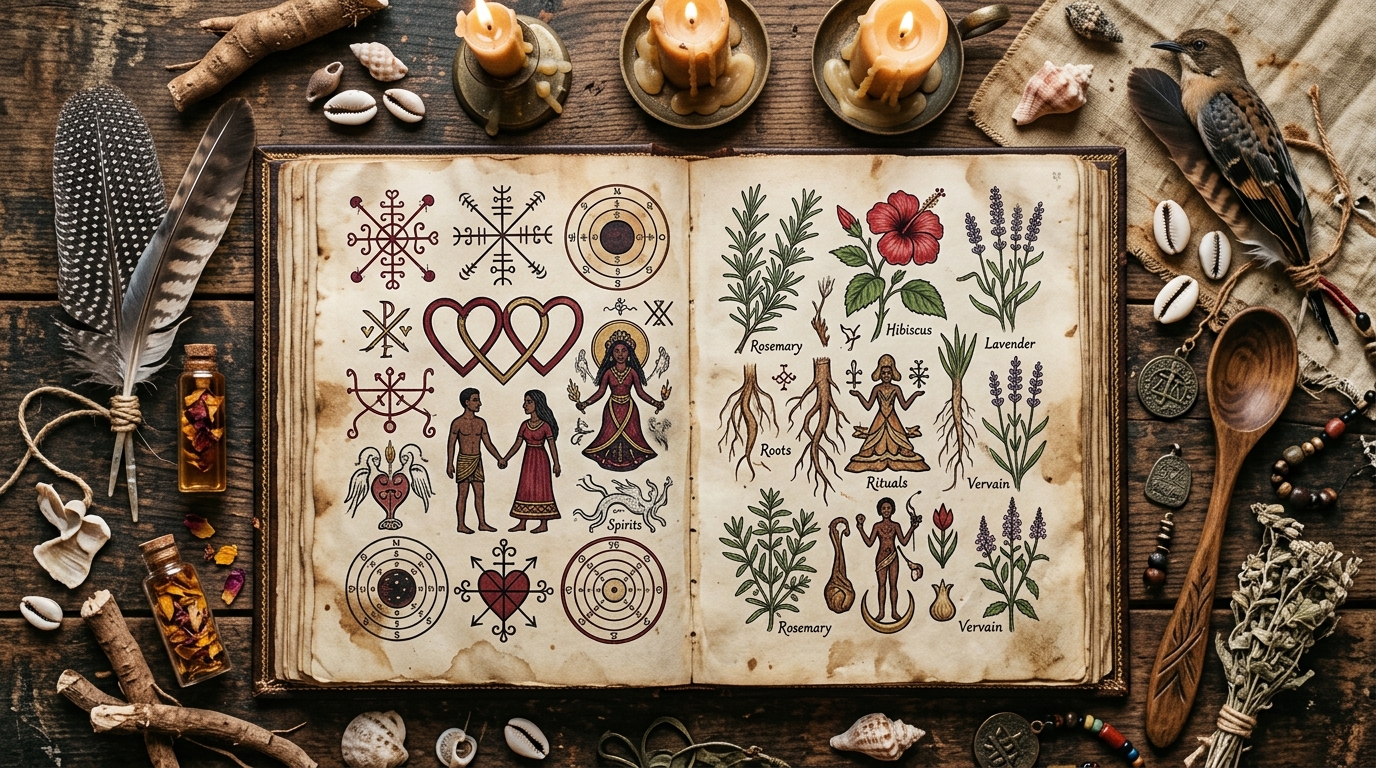
  • The History of Voodoo Love Magic in West Africa

    The History of Voodoo Love Magic in West Africa

    Authentic Vodou love spell ingredients carry deep spiritual significance — from sacred herbs and candles to ritual oils and symbolic objects used in traditional West African magic.

    Most Powerful Love Spell Ingredients in Vodou Practice

    By Baba Ali | Category: Understanding Voodoo | 10 min read
    The love magic I practice has roots that reach back thousands of years into the spiritual traditions of West Africa. Understanding this history is not merely academic — it explains why authentic Vodou love practice is categorically different from the generic “spell casting” widely available online.

    The Origins of Vodou — The Foundation

    Vodou as a formal spiritual system emerged among the Fon and Ewe peoples of the Kingdom of Dahomey — present-day Benin — developing over millennia into one of the world’s most sophisticated spiritual traditions. Archaeological and historical evidence suggests that the core practices of Dahomean Vodou have roots extending back at least 3,000 years, making it among the oldest continuous spiritual traditions still actively practiced today.

    Unlike many spiritual traditions that developed as philosophical or theological systems, Dahomean Vodou emerged primarily as a practical healing and community-support system — a set of technologies for working with the spiritual forces that governed human life in ways that produced observable, practical results in the community.

    Love Magic in Ancient Dahomean Tradition

    Love and relationship magic holds a specific, honored place in Dahomean spiritual practice. In the Dahomean worldview, human partnership is not merely social — it is a fundamental spiritual reality that the Lwas take active interest in. The union of two compatible souls was considered a matter of spiritual significance, and the disruption of such unions a spiritual wound requiring spiritual healing.

    Ancient Dahomean love magic served several distinct functions that persist in my practice today:

    • Attraction work: Helping individuals broadcast their spiritual love frequency to attract compatible partners.
    • Union strengthening: Rituals performed at marriage to spiritually seal and protect the union.
    • Reunion facilitation: Bringing separated partners back together by working with the spiritual bond that persisted after physical separation.
    • Protection work: Protecting established love relationships from spiritual interference by jealous parties.
    • Healing work: Addressing the spiritual wounds created by betrayal, infidelity, or profound conflict within relationships.

    Each of these functions was assigned to specific Lwas and performed through specific ritual protocols that were transmitted across generations within practitioner families and initiated communities.

    The Role of Erzulie in Love Tradition

    No understanding of Vodou love magic is complete without understanding Erzulie — the most complex and beloved of all the Lwas who govern love. Erzulie is not a single figure but a family of Lwas, each governing different aspects of love and feminine power:

    Erzulie Freda: The Lwa of romantic love, beauty, and attraction. Associated with the color gold and pink, with jewelry and perfume, with the sweetness of newly discovered love. She is invoked for attraction work and in the early stages of reunion rituals.

    Erzulie Dantor: The fierce, protective aspect of love — passionate, devoted, fiercely maternal. She governs long-term commitment, the protection of families, and the kind of love that endures through hardship. She is invoked for marriage strengthening and protection work.

    La Sirène: The Lwa of the ocean and deep desires — governing the unconscious emotional depths and the magnetic pull of irresistible attraction. Invoked in obsession and passion work.

    How African Love Magic Traveled to the Americas

    The transatlantic slave trade — one of history’s greatest crimes — also became the vehicle through which Dahomean spiritual practice reached the Americas. Enslaved Dahomean practitioners carried their spiritual knowledge with them across the ocean, preserving it in the only way possible under conditions of brutal oppression: through memory, oral transmission, and creative adaptation.

    In Haiti, enslaved Dahomeans merged their tradition with elements of French Catholicism — not out of conversion, but as a protective strategy. By associating Lwas with Catholic saints, practitioners could continue their traditions under the noses of colonial authorities who monitored and often prohibited African spiritual practice. This syncretism produced Haitian Vodou — a distinct but deeply related tradition that preserved the core Dahomean spiritual framework in Caribbean form.

    In Louisiana, similar processes produced Louisiana Voodoo — shaped by the specific mix of African, French, Spanish, and Native American influences that characterized the colony. Marie Laveau, the legendary “Voodoo Queen of New Orleans” (1801–1881), represents perhaps the most famous American figure in this tradition’s history.

    Modern Vodou — How the Tradition Survives and Adapts

    Today, authentic Vodou practice continues in West Africa, Haiti, the United States, Brazil, Cuba, the Dominican Republic, and throughout the African diaspora. The tradition is remarkably resilient — having survived colonialism, slavery, religious persecution, and sustained cultural attack.

    In the United States, Vodou practitioners like myself serve a diverse community of clients — bringing the accumulated wisdom of this ancient tradition to bear on the very human challenges of love, relationship, and connection that have always been at the tradition’s heart.

    What I do is not divorced from this history — it is its continuation. The same Lwas. The same protocols. The same commitment to genuine healing. Adapted for the American context, but rooted in a tradition 3,000 years deep.

    Speak Directly with Baba Ali — Free Consultation

    To experience authentic West African Vodou love practice for yourself, contact Baba Ali for a free consultation.

    Get Your Free Consultation →

    📞 (210) 651-2737  |  💬 WhatsApp  |  Available 24/7

    For relationship advice and support, Psychology Today’s Relationships section offers expert guidance from licensed therapists worldwide.

  • What Is Vodou? A Beginner’s Introduction

    What Is Vodou? A Beginner’s Introduction

    Many people search for love spells without ingredients hoping for a simple DIY solution — this article explains what drives real spell power and what you truly need for results.

    Love Spells Without Ingredients: Do They Actually Work?

    By Baba Ali | Category: Understanding Voodoo | 9 min read
    For many people, the word “Vodou” evokes images constructed almost entirely from Hollywood films and sensationalist journalism. This article offers something different: an introduction to what Vodou actually is, from a practitioner who has lived and worked within this tradition for more than 30 years.

    Vodou at a Glance

    Vodou is an African-derived spiritual religion and healing tradition that originated among the Fon and Ewe peoples of present-day Benin and Togo in West Africa. It has an estimated 60 million practitioners worldwide — the large majority in West Africa and Haiti. It is practiced in the United States, Brazil, Cuba, Dominican Republic, and throughout the African diaspora.

    Key facts that distinguish authentic Vodou from its Hollywood caricature:

    • Vodou is monotheistic — there is one supreme creator, Bondye (from the French “Bon Dieu,” good God).
    • Spiritual intermediaries called Lwas (or Loa) serve as the primary point of contact for practitioners — not because Bondye is inaccessible, but because the Lwas are the “hands” through which divine power works in specific domains of human experience.
    • Vodou has a strong ethical framework emphasizing community, reciprocity, and healing.
    • Vodou ceremonies are fundamentally communal — they are gatherings of the living and the spiritual in mutual recognition and celebration.

    The Geographic Origins — West Africa

    The tradition I practice has its roots in Dahomey — the kingdom that occupied present-day Benin — where Vodou developed as the spiritual backbone of one of West Africa’s most sophisticated civilizations. The Fon word “Vodou” (also spelled Vodu, Vodun) means “spirit” or “deity” — referring to the spiritual forces that animate the natural and human world.

    Dahomean spiritual practice was extraordinarily sophisticated — with a complex pantheon of Lwas governing specific domains, an elaborate cosmology mapping the relationship between the visible and invisible worlds, and centuries of accumulated knowledge about how to work with spiritual forces for healing, protection, and the deepening of human connection.

    The Core Spiritual Concepts

    Bondye (The Supreme Creator): The ultimate divine force — unknowable, omnipresent, the source of all existence. Not directly invoked in practice because too vast and abstract for direct human relationship.

    The Lwas: Spiritual intermediaries who govern specific aspects of reality — love, healing, justice, agriculture, death, wealth, storms. Each Lwa has specific colors, symbols, sacred days, offerings, and domains of influence. Working with the Lwas is the heart of Vodou practice.

    The Ancestors (Les Morts): The spirits of those who have died remain accessible and active in Vodou tradition. Ancestor veneration is a core practice — connecting the living to the accumulated wisdom and spiritual power of those who came before.

    Ashe: The divine energy that flows through all things — both the raw material of spiritual power and the result of spiritual practice. Skilled practitioners both work with and generate ashe.

    The Lwas Most Relevant to Love Work

    In my love spell practice, I work primarily with:

    • Erzulie Freda: The Lwa of love, beauty, and romantic attraction. Governs matters of the heart — love gained, love lost, love deepened. She is the primary Lwa in love magic.
    • Erzulie Dantor: The Lwa of fierce love and deep commitment. Governs long-term partnership, marriage, and passionate devotion.
    • Ogou: The Lwa of strength, determination, and the removal of obstacles. Essential in work that requires clearing the path to love.
    • Marasa: The sacred twins who govern sacred partnership and the bond between souls. Relevant in binding work and marriage spell casting.

    How Vodou Traveled to Haiti, Louisiana, and the Americas

    The transatlantic slave trade forcibly transported millions of West Africans — including Dahomean Vodou practitioners — to the Americas. In Haiti, these practitioners preserved and developed Vodou as a living tradition, creating the form of Haitian Vodou that became internationally known. In Louisiana, similar processes produced Louisiana Voodoo, a related but distinct tradition.

    The Haitian Revolution of 1791–1804 — the only successful slave revolution in history — was significantly inspired and organized through Vodou ceremony, particularly the legendary Bois Caïman ceremony of August 1791. This history demonstrates Vodou’s role not just as spiritual practice but as a force of human liberation.

    Vodou as Living Community Practice

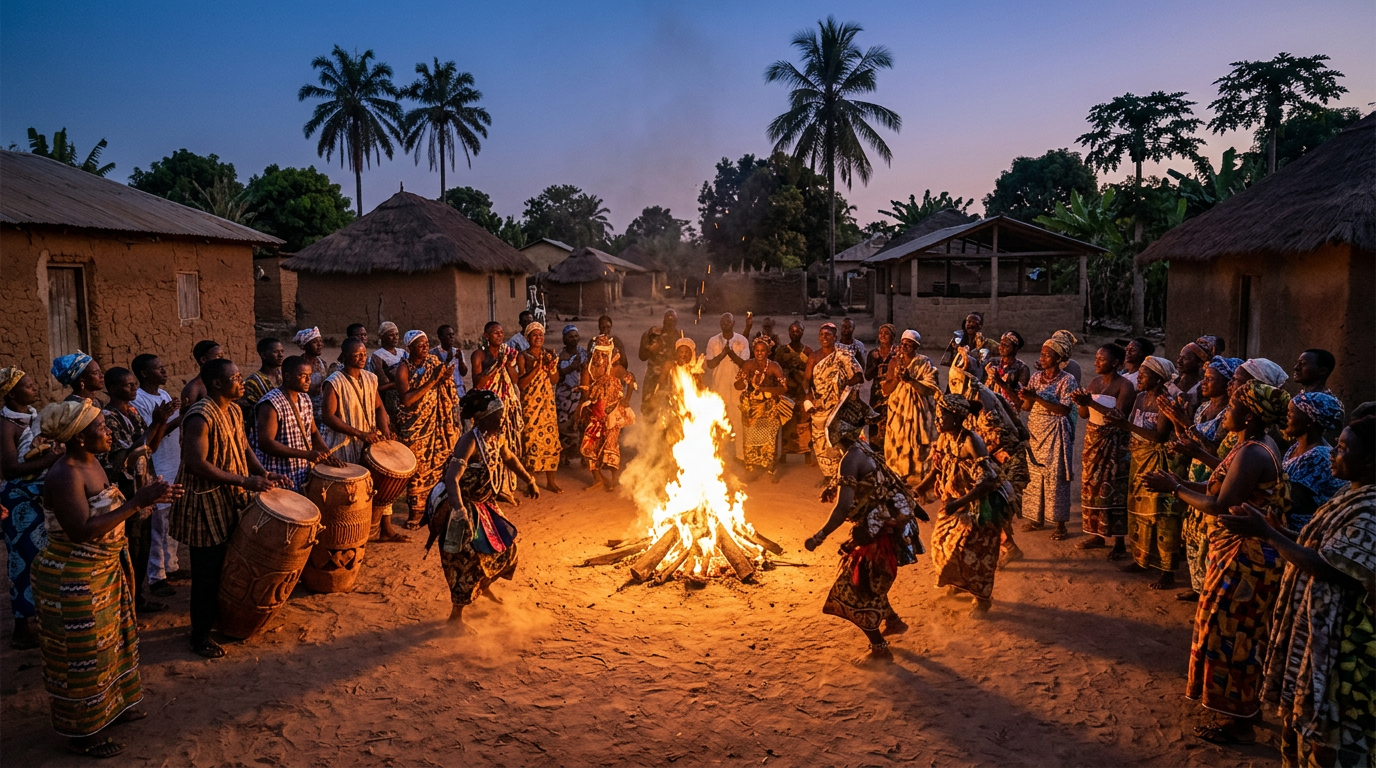
    Vodou is not a private, individual practice in its traditional form. It is deeply communal — maintained by families, initiated societies, and community structures that transmit the tradition across generations. The role of the practitioner (Houngan for men, Mambo for women) is to serve the community — conducting ceremonies, performing healing work, providing spiritual guidance, and maintaining the relationship between the living community and the spiritual forces that support it.

    My practice, while adapted for individual consultations in the American context, maintains this service orientation. I am not selling a product — I am serving a community of individuals who need genuine spiritual help.

    Speak Directly with Baba Ali — Free Consultation

    Curious to experience authentic Vodou spiritual practice for yourself? Contact Baba Ali for a free, no-obligation consultation.

    Get Your Free Consultation →

    📞 (210) 651-2737  |  💬 WhatsApp  |  Available 24/7

    For relationship advice and support, Psychology Today’s Relationships section offers expert guidance from licensed therapists worldwide.

  • Untitled post 162

    Many people fear Vodou because of Hollywood stereotypes — this article debunks the most persistent voodoo myths and reveals the truth about authentic West African spiritual practice.

    Voodoo Myths Debunked: The Truth About Vodou Magic

    Top Voodoo Myths Debunked by a Certified Practitioner

    By Baba Ali | Category: Understanding Voodoo | 10 min read
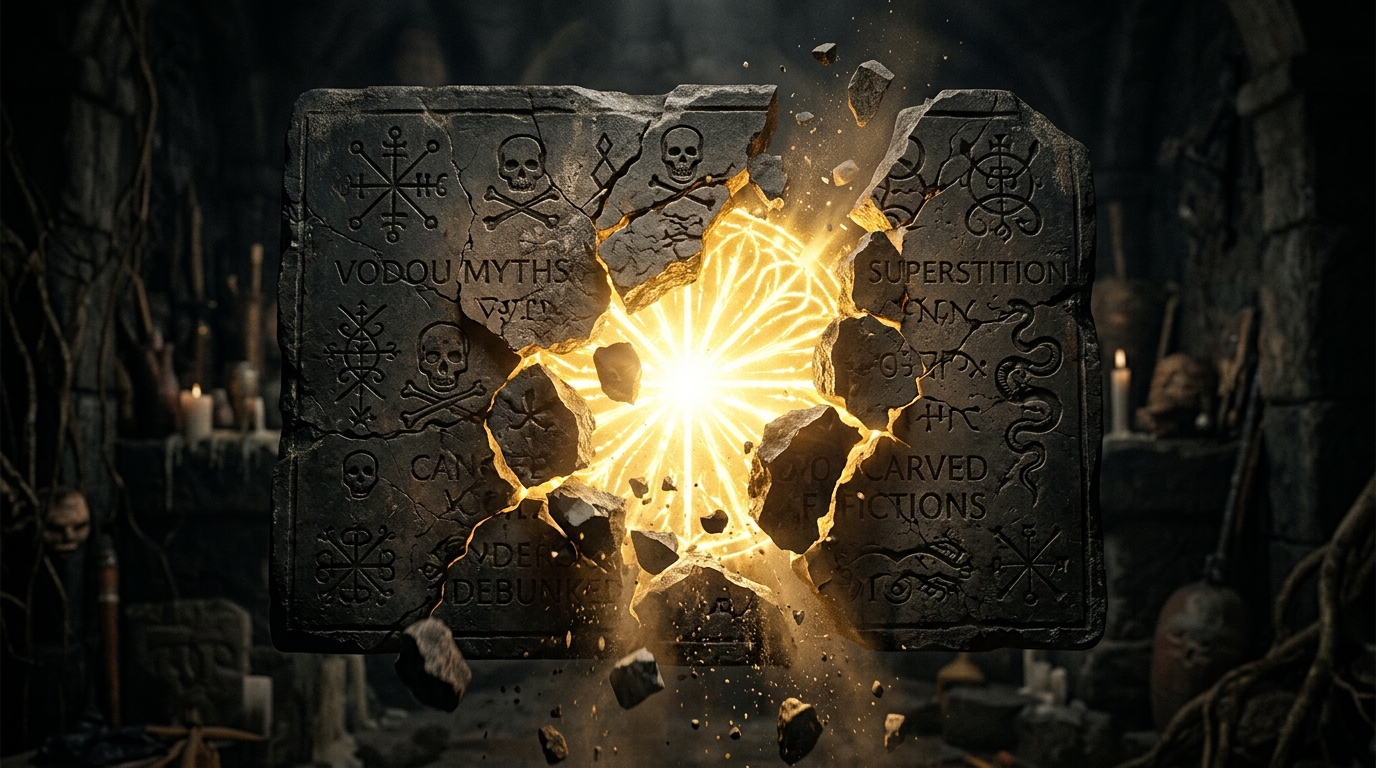
    Of all the spiritual traditions practiced worldwide, Vodou has been subjected to perhaps the most sustained, deliberate, and damaging campaign of misinformation. As an authentic practitioner, correcting these myths is not defensive — it is educational. Understanding what Vodou actually is begins with clearing away what it is not.

    Where the Myths Come From

    The distorted image of Voodoo in popular Western consciousness did not emerge naturally. It was deliberately constructed. Beginning with colonial-era depictions designed to delegitimize African spiritual traditions, and amplified through a century of Hollywood horror films, sensationalist journalism, and cultural appropriation, the popular image of “Voodoo” bears almost no relationship to the actual spiritual tradition of Vodou.

    Understanding this origin — that the myths are manufactured, not organic — helps in clearing them from your understanding of what I actually practice.

    Myth 1: Voodoo Is Evil or Satanic

    The truth: Vodou is a monotheistic spiritual tradition with deep ethical codes and a sophisticated cosmology. Bondye — the supreme creator — is the source of all things. The Lwas are spiritual intermediaries, not demons. The tradition includes extensive moral guidance and a strong community of practitioners committed to healing, not harm. The “evil” association derives entirely from colonial propaganda and Hollywood fiction.

    Myth 2: Voodoo Dolls Are Used to Harm People

    The truth: The “Voodoo doll” used to harm others is a Hollywood invention. In authentic Vodou practice, effigy figures are used in healing rituals, to direct positive spiritual energy, and as ritual focal points — not as weapons. The idea of sticking pins in dolls to cause pain has no authentic basis in West African or Caribbean Vodou tradition.

    Myth 3: Voodoo Is Only for Black People

    The truth: Authentic Vodou practice has always served all of humanity. The Lwas make no distinction based on race, nationality, or background. I have practiced for clients of every race and ethnicity for 30+ years. The spiritual forces of Vodou tradition are universal in their access and their scope.

    Myth 4: Love Spells Remove Someone’s Free Will

    The truth: This requires the most careful answer. Authentic love spell work does not remove free will — it works by clearing spiritual blockages and realigning energies so that love which genuinely exists can express itself naturally. We do not manufacture feelings that do not exist; we remove what is preventing existing feelings from being expressed. Free will remains intact throughout.

    Myth 5: Voodoo Practitioners Summon Demons

    The truth: Vodou practitioners work with the Lwas — spiritual intermediaries in the Vodou cosmological system. They are not demons. They are spiritual forces associated with specific domains of human and natural life: love, healing, protection, agriculture, justice. Working with the Lwas through proper protocol is the foundation of Vodou ritual practice, and it involves respect and relationship, not summoning and commanding.

    Myth 6: Only Desperate or Gullible People Use Love Spells

    The truth: My client base over 30 years has included doctors, lawyers, professors, business executives, therapists, and people of every educational and economic background. Intelligence and sophistication do not inoculate people against heartbreak, and they do not make spiritual practice any less valid as an approach. Many of my most intellectually skeptical clients became some of my most enthusiastic references after experiencing results.

    Myth 7: Voodoo Is the Same as Black Magic

    The truth: “Black magic” is a Western category that simply does not map onto Vodou as a tradition. Vodou practitioners can perform both helpful and harmful work — as can practitioners of virtually every spiritual tradition in the world. The tradition itself is neither “black” nor “white” magic — it is a complete spiritual system with ethical codes governing how its powers are used.

    Myth 8: Voodoo Has No Real Spiritual System

    The truth: Vodou is one of the most sophisticated and internally consistent spiritual systems in the world. It includes a complete cosmology (the nature of the universe and human existence), an ethical framework, a community structure, specific ceremonial forms, a rich mythology, and a body of practice accumulated over thousands of years. It is not less “real” as a spiritual system than Christianity, Islam, or Judaism.

    Myth 9: Love Spells Always Work Instantly

    The truth: Fraudulent practitioners promise instant results. Authentic practitioners explain realistic timelines based on the complexity of each situation. Real spiritual work operating with real spiritual forces unfolds according to the spiritual conditions involved — not according to a marketing promise. See my article on love spell timelines for an honest breakdown.

    Myth 10: Any Online Spell Caster Is Legitimate

    The truth: The opposite is closer to accurate. The vast majority of people advertising spell casting services online have no traditional training, no cultural grounding, no genuine practice, and no ethical framework. See my guide on authentic vs. fake spell casters for specific warning signs.

    Myth 11: Voodoo Is a Monolithic Practice

    The truth: “Voodoo” is not one thing. West African Vodou, Haitian Vodou, Louisiana Voodoo, and various other related traditions share roots but have developed distinct practices, pantheons, and ceremonial forms over centuries of separate evolution. My practice draws from the West African Dahomean root tradition.

    Myth 12: African Spiritual Traditions Are Primitive

    The truth: This myth is the most revealing of the colonial attitudes that generated most of the others. African spiritual traditions are ancient, sophisticated, internally consistent, and have produced centuries of documented spiritual healing outcomes. The assumption that “primitive” means “ineffective” is not only culturally biased — it is demonstrably wrong.

    Speak Directly with Baba Ali — Free Consultation

    If you have questions about authentic Vodou practice or would like to experience it for yourself, Baba Ali welcomes a free, educational consultation.

    Get Your Free Consultation →

    📞 (210) 651-2737  |  💬 WhatsApp  |  Available 24/7

    To learn more about West African spiritual traditions, explore the Britannica entry on Vodou — one of the most authoritative encyclopedias on the subject.